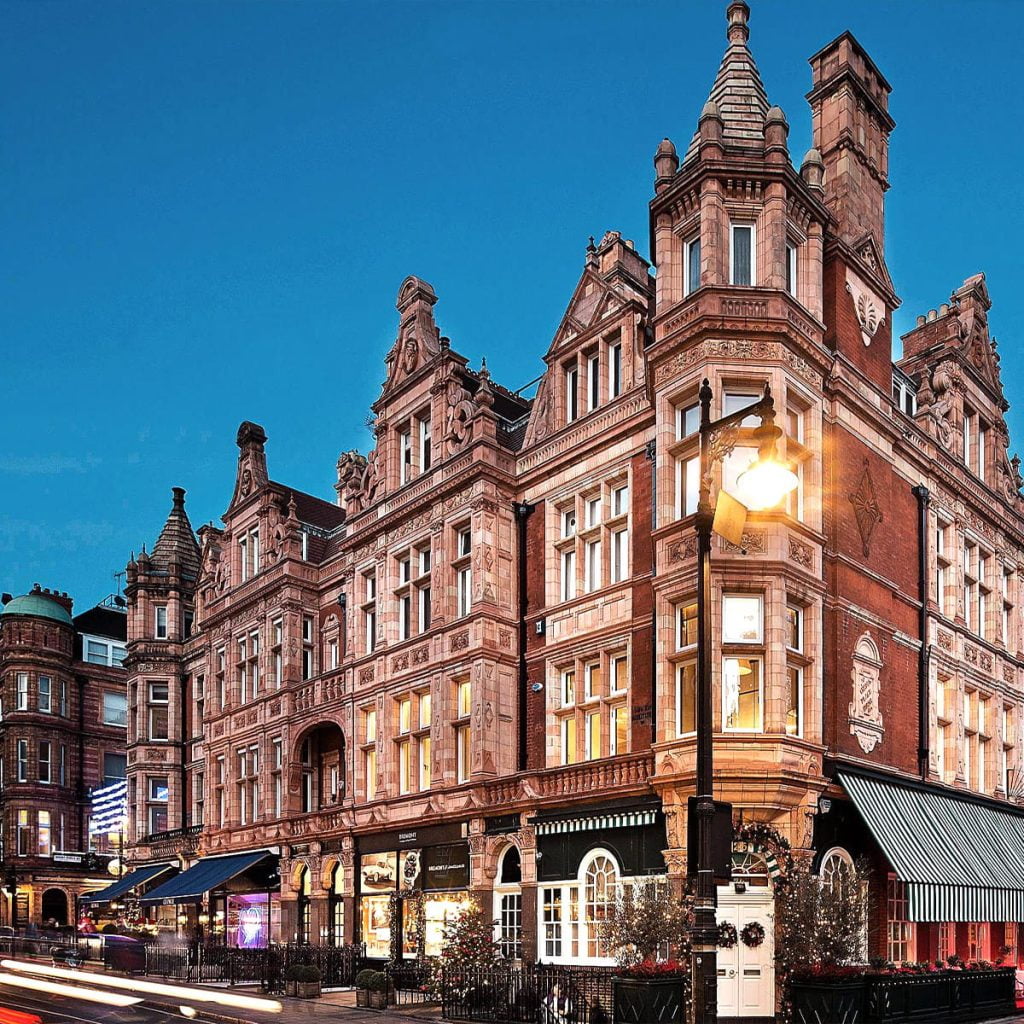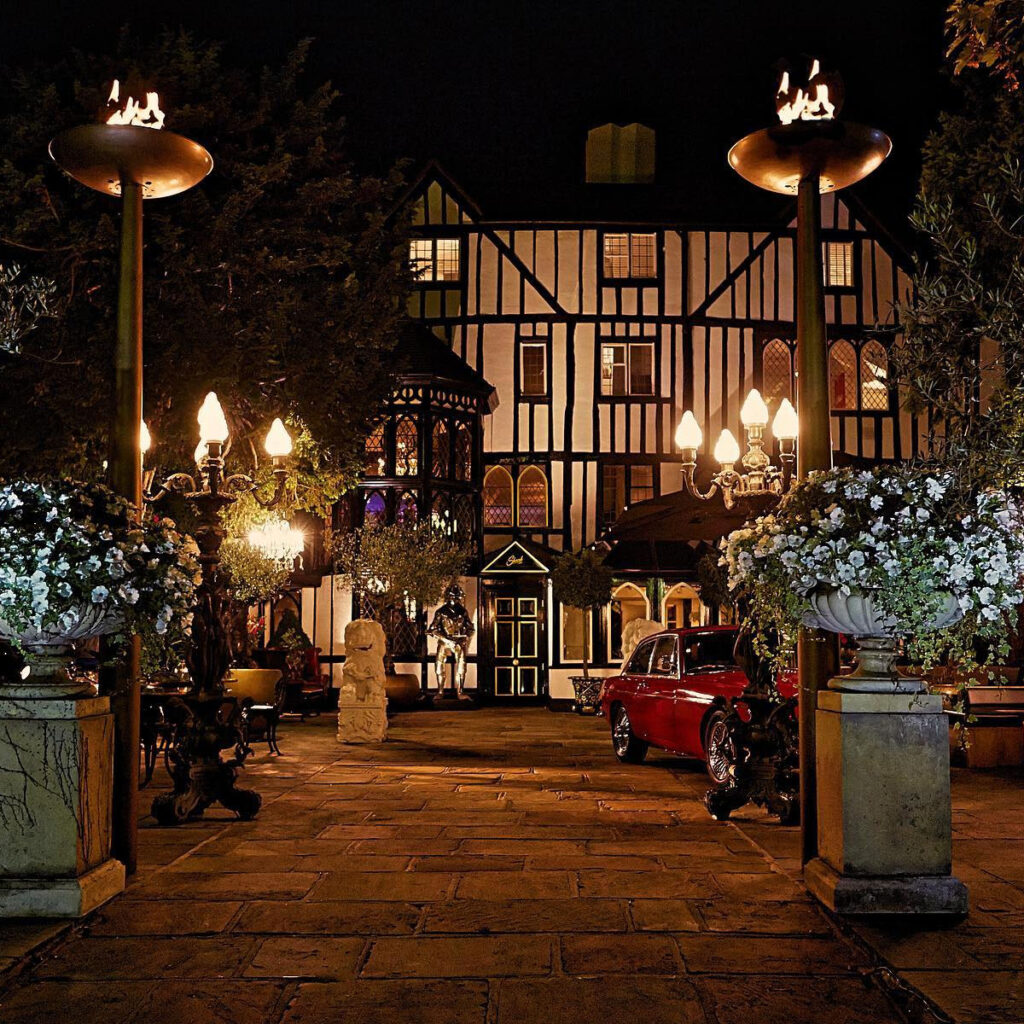
Mayfair’s polished elegance is being redefined one chilli at a time. Long known for its restrained dining style and reverence for classical technique, the district is now welcoming a new kind of flavour. A quiet fire is rising beneath its glossy surface, and those in the know are pulling up chairs at tables where spice takes centre stage.
This is not about novelty or culinary theatrics. It is about depth. Diners are increasingly seeking experiences that stimulate the senses in full. That means flavour with edge, spice with balance, and heat that tells a story. It reflects a wider movement across London’s elite restaurants, where global traditions are being respected, not diluted. Chefs are turning to Africa, India, Thailand, China, and Korea, crafting menus that bring heritage and refinement together.
What was once a district of foie gras and Dover sole now offers red chilli oil, fiery jerk marinades, and fragrant curries that leave a trail of warmth from the tongue to the chest. It is a shift as much cultural as it is culinary. Mayfair is not losing its refinement. It is discovering how fire can be elegant too.
Stork Mayfair Blends African Tradition with Modern Refinement
Located on Cork Street, Stork Mayfair presents a rare example of upscale Pan-African cuisine, a celebration of dishes drawn from Nigerian and West African culinary traditions. Its menu is built around what the team calls Afro-fusion, where heritage ingredients meet refined preparation.
There is a sense of story in every dish. The restaurant draws inspiration from the stork’s migratory path, evoking themes of travel, culture, and connectivity. The flavours are assertive yet controlled, and the spice is never treated as a gimmick.
Key dishes include the spiced Jollof rice, smoked and layered with tomato and pepper. The chicken suya, marinated in a pepper-heavy blend and grilled until just charred, delivers a bold heat without overwhelming the palate. There are prawns with a Scotch bonnet and date jam, and jerk-spiced poussin that balances sweetness with slow-building fire. Red Shito, a traditional Ghanaian pepper sauce, is available as a side and serves as an authentic reference point for those who want the full experience.
The dining room is rich in mood and texture, with curated African art exhibitions and a soundtrack that evokes warmth. It is lively without being loud, stylish without being stiff. Spice here is not an afterthought. It is the structure of the experience.
Kanishka by Atul Kochhar Showcases Heat from Across India
Chef Atul Kochhar has built a reputation on interpreting India’s regional diversity with precision and elegance. Kanishka, his Mayfair restaurant, offers a tour through the country’s most distinctive spice cultures, each one framed by modern technique and luxurious service.
This is not curry-house heat. It is controlled intensity, built on centuries of culinary knowledge. Dishes like Laal Maans use lamb rump and Rajasthani spices to create a dish that is as rich as it is fiery. The Chettinaad chicken, made with South Indian peppers and coconut, carries a fragrant depth. For the fearless, there are scallops paired with the notorious Naga chilli, one of the hottest in the world. Mathania chillies, known for their colour and sting, season the octopus.
The room is polished, filled with mirrored accents and soft lighting. Service is precise. Reviewers frequently mention how staff offer clear advice when navigating the spicier end of the menu. This is useful, as the kitchen does not necessarily adjust dishes to suit a lower tolerance. Authenticity takes priority.
For those who understand the complexities of Indian spice the sharpness of cloves, the bitter edge of fenugreek, the fragrance of stone flower this is a rewarding and grounded experience.
Benares Mayfair Balances Tradition and Innovation
Benares has stood as a benchmark for modern Indian fine dining in London. The kitchen is now led by a team continuing the tradition of bold yet refined spicing. While not every dish burns, many carry a welcome punch that lifts the meal out of predictability.
Among the most noted items is the baked oyster, served with Goan sausage and a vindaloo curry that has been described as delivering intense, almost aggressive heat. The Rogan Josh, a Kashmiri lamb curry, has received mixed commentary. Some diners report a pleasant warmth, while others call it sharper than expected.
A cocktail featuring Andhra chilli syrup stands out on the drinks menu, showing that Benares is comfortable exploring spice beyond the plate. This includes a passion-fruit chutney martini with a slight back-kick of chilli, adding dimension to the bar experience.
The dining space walks a line between sleek and dramatic, with a statement entrance and low-lit main room that leans toward theatrical. It suits couples, small groups, or anyone in search of spice served with flair.
Fun Fact: The word vindaloo comes from the Portuguese dish “carne de vinha d’alhos” meaning meat marinated in wine and garlic which later evolved in Goa with added spices and chillies.
KOYN Thai Upholds Heat without Compromise
Authenticity defines KOYN Thai, where the menu leans heavily into bold, traditional dishes that do not flinch from real Thai heat. Chef Rose Chalalai Singh, born in Bangkok, draws on the central and northern regions of her homeland, crafting plates that would not be out of place in the markets of Chiang Mai or the family kitchens of Sukhothai.
The spice here is upfront. The red curry, made with pea aubergines and Thai basil, is rich and assertive. The Kra Paow Gai, a street food staple of minced chicken with hot basil and chilli, has been praised for its intensity and authenticity. Grilled beef salad features chilli lime dressing, cucumber, and tomato, with diners noting that the heat is serious but balanced.
There is no option to modify spice levels. This has been confirmed in multiple reviews. The kitchen presents food as it is meant to be, and does not tailor dishes down for milder palates. For some, this is part of the appeal. For others, it is worth being prepared.
The setting is moody and modern. Situated in a basement space, the room has lacquered surfaces, low lighting, and counter seating where guests can watch the chefs at work. It is intimate and romantic, with an undercurrent of excitement that matches the food.
Kai Mayfair Introduces Szechuan Heat with Style
If fire and numbness are your preference, Kai Mayfair delivers with finesse. Specialising in Nanyang Chinese cuisine, the restaurant celebrates the “ma la” effect that distinctive combination of heat and tingle created by Szechuan peppercorns.
The Lip Tingling Sea Bass is a standout. Served in a spiced soy broth with coriander and peppercorns, it leaves a soft numbing sensation on the lips and a lasting warmth through the body. There is also a miso soup made with Szechuan spiciness, as well as lobster in a rich chilli sauce influenced by South East Asian chilli crab.
Heat here is about sensation, not just the Scoville scale. The dishes feel balanced, nuanced, and considered. A chicken and cashew dish, typically made mil,d is served here with dried chilli, turning a common plate into something memorable.
Kai is elegant, but not austere. The room mixes classic Chinese detailing with contemporary colour and flair. Like the food, it plays with contrast, giving diners something familiar that becomes unexpected with each bite.
Akira Back Combines Japanese Precision with Korean Heat
Located inside the Mandarin Oriental Mayfair, Akira Back is a striking fusion of elegance and bold culinary expression. The chef behind it, Akira Back himself, brings Korean roots and Japanese training to each dish, resulting in flavours that are at once precise and spirited.
This is not a place where heat dominates, but rather one where it supports. In dishes like the Dynamite Lobster, jalapeños are used with finesse, adding brightness and energy to a creamy sauce that highlights the tenderness of the seafood. The citrus black pepper cocktail, noted for its sharp, complex balance of sweet, sour, and spicy notes, mirrors this approach on the drinks list.
While the menu does not openly reference Korean staples like gochujang, Akira Back’s global kitchens often incorporate these flavours. Based on his Paris menus, there is good reason to believe that dishes in London quietly nod to Korean spice through dressings and glazes.
The space itself feels dramatic. With soaring ceilings, wooden sculptural forms on the walls, and a glass roof, it stands apart from the more subdued venues nearby. This is luxury with personality. The setting is perfect for those who want spice to be layered, controlled, and surprising rather than aggressive.
Jeru Marries Middle Eastern Warmth with Contemporary Flair
While less directly focused on high heat, Jeru still earns its place in this lineup for its generous use of warming spices and flavours rooted in Middle Eastern and Mediterranean traditions. Here, spice often comes through in the form of sumac, harissa, Aleppo pepper, and cumin, providing richness rather than burn.
Detailed spice levels are not clearly advertised, and the available reviews offer limited insight into specific chilli-led dishes. However, the restaurant has received consistent praise for vibrant flavours and thoughtful presentation. It would be wise to call ahead or check the most recent menu online for confirmation if your aim is specifically to chase fire.
The interior matches the warmth of the food. Golden lighting, soft textiles, and attentive service set the tone. Jeru is a place to linger and explore flavour at a gentler pace, making it a welcome option for diners who enjoy aromatic complexity and are perhaps spice-curious rather than spice-devoted.


The Right Restaurant for the Right Kind of Heat
For those who appreciate the nuances of chilli, whether they lean toward sharp, smoky, sweet, or numbing, Mayfair now offers a remarkable variety of options. These are not just restaurants with spicy items. They are venues where heat plays a structural role in how a dish is constructed and enjoyed.
Stork Mayfair is ideal for those who want to experience authentic West African heat, enhanced by ingredients like Scotch bonnet and suya. Kanishka caters to those who want deep regional spice, from the sharpness of Rajasthani curries to the fire of Naga chillies. Benares provides a mix of styles, often leaning into complex layering with occasional surprises of sharp vindaloo intensity.
KOYN Thai is the top recommendation for those who want real, unmodified Thai heat. Kai Mayfair adds a different dimension with its numbing Szechuan elements. Akira Back and Jeru deliver warmth in more refined forms, with spice as an enhancer rather than a lead character.
Each restaurant offers something different, and the key is understanding what kind of spice you enjoy. Whether you are chasing the fire or curious about new flavour structures, Mayfair now offers venues that satisfy at every point along the scale.
Cocktails That Calm or Amplify the Heat
The experience of dining on spicy food becomes even more memorable when the drinks list supports it. In Mayfair’s finest establishments, this is rarely overlooked. Cocktails are used to complement, contrast, or balance the sensation of heat.
At Stork, the Lily of the Nile mixes mint, lime, and mango, offering a cooling effect. Their Watermelon Margarita also brings refreshment. Kanishka leans into tropical elements with a Mango Margarita and a Passion Fruit Martini, both perfect to temper the fire of Rajasthani or Chettinaad dishes.
Benares provides options for both approaches. The Jaljeera Gimlet uses lime and cumin to echo the food’s complexity, while the Sweetheart, with limoncello and strawberry, offers a sweeter contrast. Their Tear Drop Margarita, made with chilli syrup, actually doubles down on the fire, suiting those who enjoy spice from all directions.
KOYN Thai has non-alcoholic options such as the Lychee Lemonade, balancing lychee, mango, and citrus. Kai serves a Lychee Martini and Golden Pineapple cocktail, both gentle in flavour and great for countering Szechuan heat. At Akira Back, the Crimson Bloom and a classic Margarita continue the citrus theme, cooling but flavourful.
These drinks show that Mayfair’s restaurants take the full dining experience seriously. Cooling is not just about water and yoghurt. It is about finding drinks that elevate and complete the meal.
Final Tips for a Flavour-Packed Night Out
If you plan to explore the spicy offerings of Mayfair, a few simple steps will ensure the best possible experience.
Call ahead if your spice tolerance is limited. KOYN Thai, for example, does not alter its dishes, and this policy may be echoed in other kitchens where authenticity is essential. It is always worth asking how much flexibility exists.
Dress the part. Most of these venues follow a smart casual dress code. Shorts, flip-flops, and sportswear are discouraged or outright prohibited. Stork, Benares, Kai, and Akira Back all specify attire guidelines. Smart trousers and closed shoes will always serve you well.
Book early. Prime time reservations on weekends go quickly. Consider earlier dinner slots or mid-week evenings for a more relaxed experience. If you are going for lunch, remember that not all restaurants offer a full menu during the day. Check the website and secure your table in advance.
Pace yourself. Spicy food rewards slow eating. Give the heat time to build. Sip your cocktail, enjoy the ambiance, and let the warmth do its work. The goal is satisfaction, not suffering.
Conclusion
Mayfair has embraced spice not as a novelty, but as a new language of luxury. Its finest restaurants now offer dishes that deliver fire with finesse, where the boldness of Scotch bonnet or Naga is given the same reverence as a white truffle or a fine-aged balsamic. This is heat with context, with artistry, with a story to tell.
Whether you are sampling the Suya at Stork, savouring the Laal Maans at Kanishka, facing the unflinching curries at KOYN, or feeling the Szechuan tingle at Kai, one thing is clear. Spice has found a home in Mayfair, and it is here to stay.
This is not just a moment. It is a movement flavour-forward, rooted in heritage, and proudly unafraid.