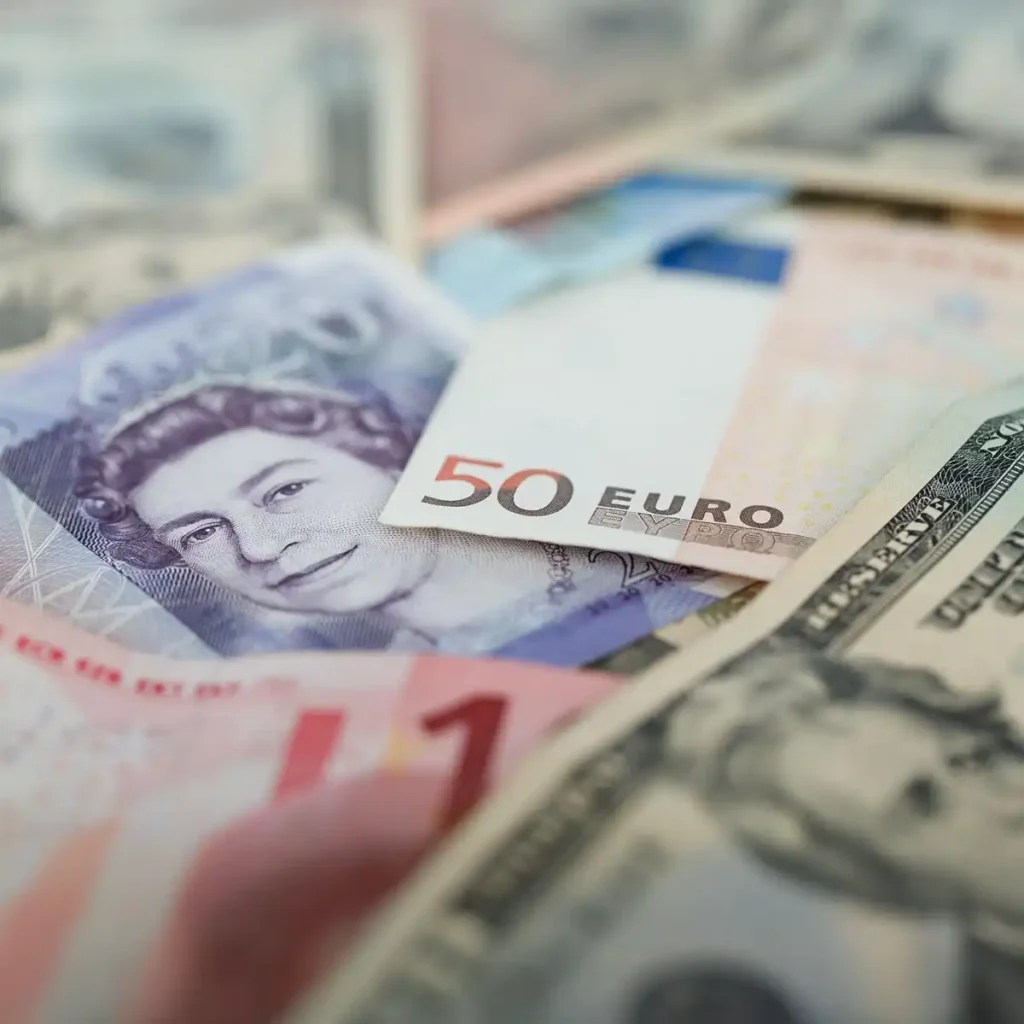
Entering the cryptocurrency market can seem intimidating for beginners, but purchasing XRP doesn’t have to be complicated. This guide simplifies the process of buying your first XRP tokens. Learning how to buy XRP with credit card offers one of the fastest and most convenient entry points into this digital asset, requiring minimal technical knowledge while providing nearly instant transactions.
What is XRP and Why Consider Buying It?
XRP is the native cryptocurrency of the XRP Ledger, a blockchain platform specifically designed for efficient payment processing and cross-border transactions. Unlike Bitcoin which relies on energy-intensive mining, XRP uses a consensus protocol to validate transactions, making it significantly more energy-efficient and capable of processing 1,500 transactions per second.
The key advantages that attract investors to XRP include its ultra-fast settlement (3-5 seconds), minimal transaction fees (typically less than $0.01), established partnerships with financial institutions, and real-world utility for international money transfers. Financial institutions can leverage XRP as a bridge currency for international payments, potentially transforming traditional banking processes that currently take days into near-instantaneous transfers.
Before You Start: Essential Preparations
Before purchasing XRP, consider several important factors. Cryptocurrency prices can fluctuate dramatically within hours, so only invest funds you can afford to lose. Verify that your chosen exchange legally supports XRP trading in your jurisdiction, as it has faced regulatory challenges, particularly in the US. Each platform charges different transaction fees that can significantly impact your investment.
Prepare to implement strong security measures and keep detailed records of all purchases and sales for tax reporting purposes. Take time to research current XRP market conditions and price history to make an informed investment decision, and set a budget beforehand to prevent emotional purchasing decisions.
Step 1: Choose a Reliable Exchange Platform
Selecting the right cryptocurrency exchange is crucial for a smooth buying experience. When evaluating platforms that support XRP purchases via credit card, consider popular options like CEX.IO (user-friendly with strong security features), Coinbase (intuitive for beginners), Binance (lower trading fees and high liquidity), Kraken (known for security and advanced trading features), and Crypto.com (mobile-first platform).
Prioritize exchanges offering strong security measures, transparent fee structures, proper regulatory compliance, positive user reviews regarding customer support, and an appropriate verification process. Your choice should balance convenience, fees, security, and support for your region.
Register and Verify Your Account
Once you’ve selected an exchange, follow these steps to create and verify your account:
- Visit the official exchange website and click “Register” or “Sign Up”
- Provide your email address and create a strong password
- Verify your email by clicking the confirmation link
- Complete the identity verification process (KYC)
- Wait for verification approval (typically 1-24 hours)
This verification process is mandatory due to regulatory requirements and helps protect against fraud and money laundering. Higher verification levels usually unlock higher purchase limits.
Step 2: Adding a Payment Method
Cryptocurrency exchanges offer various payment methods, each with different advantages. Credit/debit cards provide the fastest processing (nearly instant) and lower minimum purchase requirements ($20-50), but have higher fees (typically 3-5% per transaction). Bank transfers offer lower fees (0-1.5%) and higher maximum limits, but slower processing (1-5 business days).
PayPal and alternative methods have variable availability by region and convenience for existing users, but often higher fees than bank transfers. Credit cards offer the best balance of speed and convenience for new buyers, though at a premium cost. Be aware that some card issuers categorize crypto purchases as “cash advances,” potentially triggering additional fees.
Understanding XRP Network Fees and Transaction Requirements
When purchasing XRP with a credit card, it’s important to understand the unique aspects of the XRP network that differ from other cryptocurrencies. Unlike Bitcoin or Ethereum, the XRP Ledger requires users to maintain a minimum balance of 10 XRP in any activated wallet address. This reserve requirement serves as an anti-spam measure to prevent the network from being overwhelmed with empty or abandoned wallets. For new investors, this effectively means that the first 10 XRP you purchase will be locked in your wallet and unavailable for spending or trading until the network potentially lowers this requirement in the future.
Transaction fees on the XRP network are remarkably low compared to other blockchains, typically costing a fraction of a cent (0.00001 XRP). However, when purchasing through an exchange using a credit card, you’ll encounter significantly higher fees imposed by both the exchange and your card issuer. Exchange fees for credit card purchases typically range from 3-5% of the transaction amount, while some credit card companies may add additional charges by treating cryptocurrency purchases as cash advances, potentially triggering higher interest rates and immediate finance charges without the typical grace period for payments.
Another unique feature of the XRP network is the “destination tag” – a numeric identifier often required when sending XRP to exchanges or services. Think of it as an apartment number in a large building; without it, your funds might arrive at the right building but not reach your specific unit. When buying XRP initially, this won’t be a concern, but it becomes crucial if you later transfer your XRP between platforms. Always check whether a destination tag is required before initiating any transfers to avoid potential loss of funds.
The XRP Ledger also processes transactions differently than proof-of-work blockchains like Bitcoin. Rather than miners confirming transactions, XRP uses a consensus protocol among validator nodes, allowing for extremely fast settlement times – typically 3-5 seconds. This efficiency makes XRP particularly attractive for cross-border payments and exchanges where speed is essential. For investors using credit cards to purchase XRP, this means that once your card payment clears the exchange’s processing system, your XRP acquisition will finalize on the blockchain almost instantly.
Market volatility presents another consideration when timing your credit card purchase. Unlike bank transfers that might take days to clear, credit card purchases execute almost immediately at the current market price. This immediate execution can be both an advantage and a risk – allowing you to capture current prices without delay, but also preventing you from canceling a transaction if the market moves suddenly. Some experienced investors mitigate this risk by using limit orders rather than market orders when possible, though immediate credit card purchases often limit you to the latter option.
For business users planning to accept XRP as payment or integrate it into payment gateways, understanding these network characteristics is particularly important for proper implementation and fee structure planning. The combination of minimal network fees and rapid settlement makes XRP an attractive option for payment processing, especially for international transactions where traditional banking systems impose higher fees and longer delays.
Credit Card Purchase Walkthrough
To buy XRP using a credit card, log into your verified account and navigate to the “Buy/Sell” or “Instant Buy” section. Select XRP from the cryptocurrency options and choose your preferred fiat currency. Enter the amount you wish to spend or the quantity of XRP you want to buy, then select “Credit/Debit Card” as your payment method.
After clicking “Continue” or “Buy,” enter your card information (card number, expiration date, CVV, cardholder name). Verify the transaction details, including amount, exchange rate, and fees, complete any required additional security verification, and confirm the purchase. First-time card users typically undergo an additional verification process, which may include a small temporary authorization charge.


Step 3: Executing Your XRP Purchase
After setting up your payment method, you’ll need to execute the actual purchase. Most platforms offer several buying options. The Instant Buy/Quick Buy method is the simplest for beginners, executing immediately at market price with a slightly higher fee for convenience. Market Order executes immediately at the best available market price with lower fees than instant buy. Limit Order only executes when XRP reaches your specified price with the
lowest fees.
For first-time buyers, the Instant Buy option provides the most straightforward experience. Simply enter the amount you wish to purchase, review the conversion rate and fees, and confirm the transaction. Your XRP will typically appear in your exchange wallet within minutes after the payment clears.
Step 4: Securely Storing Your XRP
After purchasing XRP, you need to decide how to store it securely. Exchange wallets are the most convenient option, good for active traders but vulnerable to exchange hacks. Software wallets (mobile or desktop applications) offer medium security where you control the private keys. Hardware wallets provide the highest security level with physical devices that store crypto offline.
For significant investments, security best practices include moving XRP off exchanges to a wallet you control, backing up wallet recovery phrases on paper, enabling two-factor authentication, using strong passwords, and being vigilant about phishing attempts. Remember that if you lose access to a self-custody wallet without backups, your funds may be permanently lost.
How to Sell or Trade Your XRP
Once you own XRP, you have several management options. To sell for fiat currency, navigate to the “Sell” section, select XRP, choose your preferred fiat currency, enter the amount to sell, confirm the transaction, and withdraw proceeds if desired. For trading with other cryptocurrencies, go to the trading section, select an XRP trading pair, enter the amount to trade, review the conversion rate, and execute the trade.
When transferring to external wallets, find the “Withdraw” option, enter the destination XRP address carefully, specify the amount to send, include any required destination tags, and confirm the transfer. Remember that selling or trading cryptocurrencies creates taxable events in most jurisdictions, so maintain detailed records of all transactions.