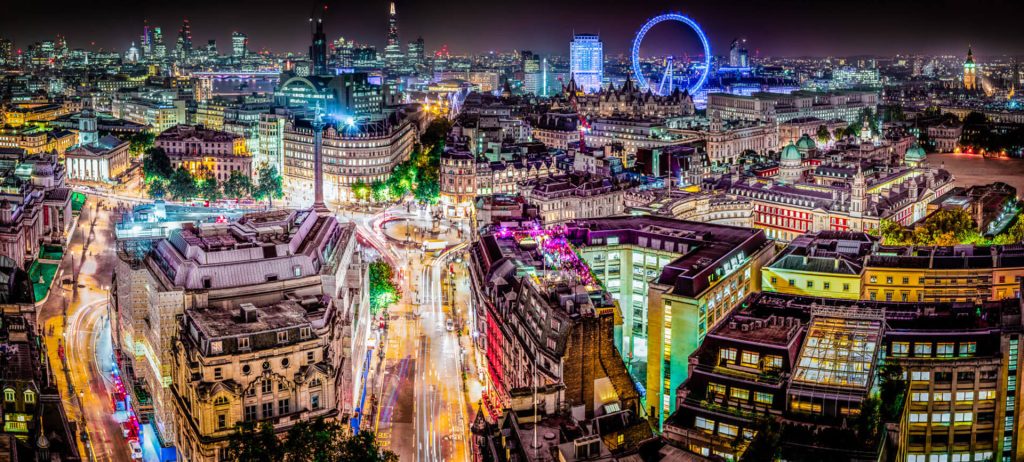
London’s dining scene is known for its creativity, diversity, and attention to detail. Across the city, particularly in areas known for their refined hospitality such as Mayfair and Soho, restaurants increasingly focus on more than just culinary excellence. Today, the most memorable dining experiences are shaped by the environment surrounding the meal.
The atmosphere of a restaurant plays a powerful role in how guests perceive the space. Lighting, sound, layout, texture, and scent all work together to create an experience that feels comfortable, immersive, and distinctive. While diners may not consciously analyse each of these details, they feel their influence from the moment they step inside.
For many of London’s most elegant restaurants, the careful coordination of these sensory elements has become an essential part of hospitality design.
First Impressions and the Power of Atmosphere
The dining experience begins well before the first course arrives. As guests enter a restaurant, they immediately begin forming impressions based on the surrounding environment. The tone of the lighting, the level of activity in the room, and the overall visual harmony of the space all contribute to these early perceptions.
Elegant dining spaces often balance sophistication with comfort. Guests should feel both impressed and relaxed at the same time. Achieving this balance requires thoughtful design choices that guide how people move through the restaurant and how they interact with the space.
Clear sightlines, welcoming entrances, and carefully positioned seating help establish a sense of order. When guests feel comfortable navigating a space, they can focus fully on conversation and the dining experience itself.
In London’s high-end restaurants, these details are rarely accidental. Designers and restaurateurs work closely to ensure that the environment reflects the personality of the venue and the expectations of its clientele.
Lighting as a Tool for Mood and Intimacy
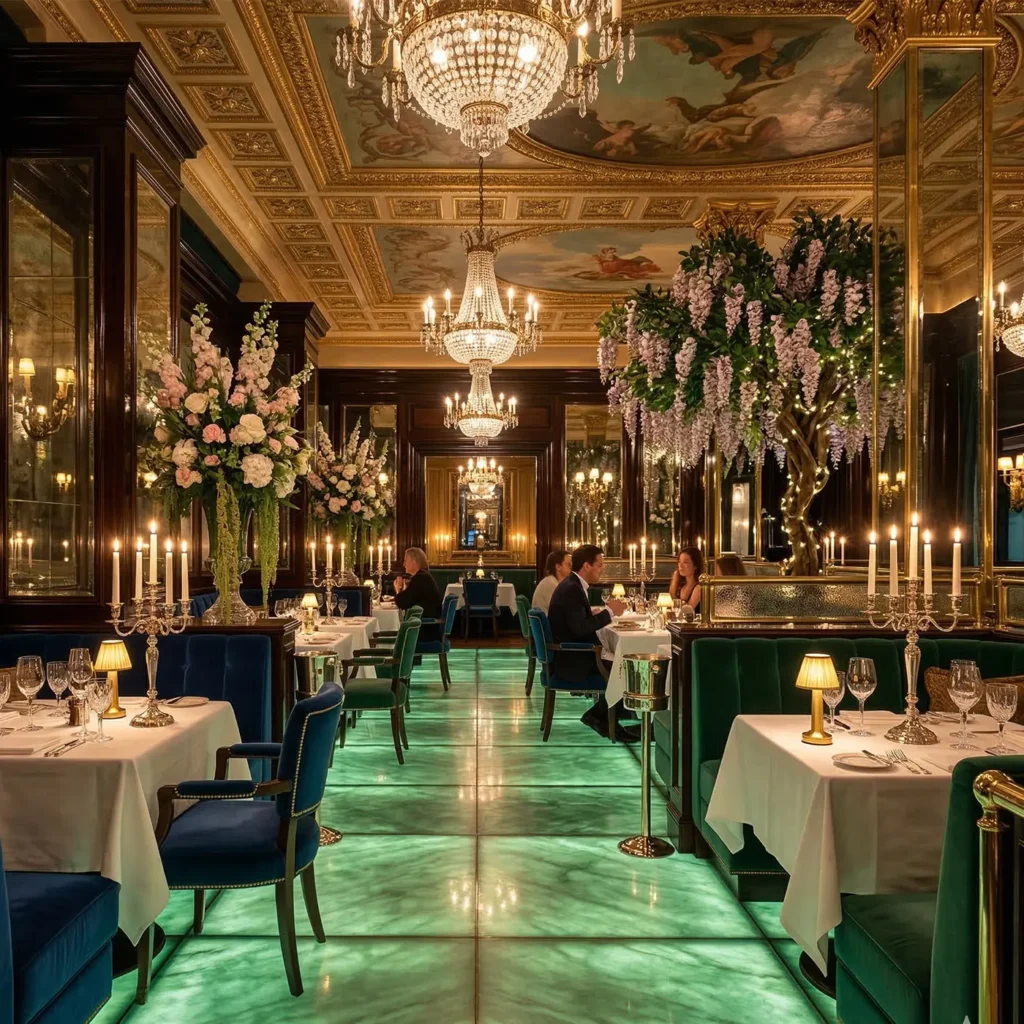
Lighting is one of the most influential elements in shaping the emotional tone of a restaurant. In elegant dining spaces, lighting is rarely uniform. Instead, it is layered to create both visibility and atmosphere.
Soft, warm lighting encourages relaxation and intimacy. Pendant lights over tables or subtle wall lighting help define individual dining areas without overwhelming the space. This approach allows restaurants to maintain a refined ambience while ensuring guests can comfortably see their food and surroundings.
Many of London’s most sophisticated dining rooms also take advantage of natural light during daytime service. Sunlight creates a bright and welcoming environment for lunches and afternoon dining. As evening approaches, the lighting often shifts toward warmer tones that support a slower, more relaxed pace.
This gradual transition mirrors the rhythm of the dining experience itself, helping guests move naturally from daytime energy to evening elegance.
The Role of Sound in Refined Dining Environments
While visual design often receives the most attention, sound is equally important in shaping the atmosphere of a restaurant. An elegant dining space should feel lively enough to encourage conversation while remaining calm enough for guests to speak comfortably.
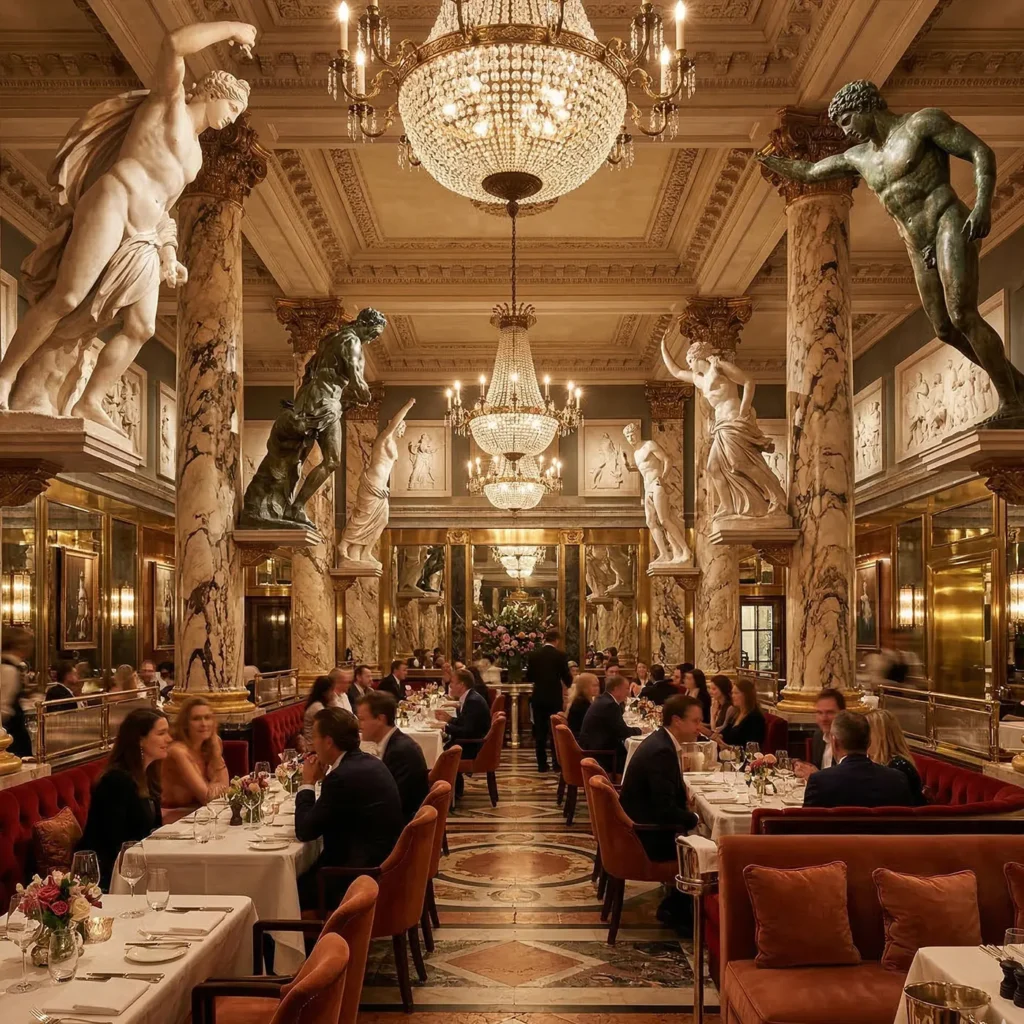
Excessive noise can quickly disrupt this balance. Hard surfaces such as marble floors or glass walls may reflect sound and amplify conversations, making the environment feel chaotic during busy periods. To counter this effect, many restaurants incorporate materials such as upholstery, curtains, and wood finishes that absorb excess noise.
Music also plays an important role in creating a cohesive environment. Carefully curated background music for restaurants helps establish a consistent auditory backdrop that softens sudden noises and fills the gaps between conversations.
In refined dining spaces, music is typically chosen to complement the character of the restaurant. Gentle instrumental or jazz selections often support intimate evening dining, while lighter acoustic tracks may accompany daytime service. The goal is not to dominate the space but to support the natural rhythm of the room.
When sound is managed well, guests rarely notice it consciously. Instead, they simply feel comfortable within the environment.
Spatial Design and the Sense of Privacy
Elegant dining spaces often prioritise comfort and privacy. Table spacing plays a significant role in shaping how guests interact within the restaurant.
When tables are placed too closely together, diners may feel exposed or overheard. In contrast, thoughtful spacing allows conversations to flow naturally while maintaining the lively atmosphere of a shared dining room.
Restaurants often use subtle design elements to create a sense of separation without isolating guests. Decorative screens, plants, or changes in floor levels can introduce gentle divisions within the space. These features create intimacy while preserving the visual openness of the restaurant.
Movement through the dining room also contributes to the overall experience. Staff should be able to move smoothly between tables without interrupting guests. Clear pathways and organised service areas help maintain the calm and elegant rhythm expected in high-end dining environments.
Texture, Materials, and Visual Warmth
Materials play a significant role in shaping how a restaurant feels. Elegant spaces often combine natural textures such as wood, stone, and fabric to create visual depth and warmth.
Upholstered seating, soft textiles, and natural materials not only enhance the visual aesthetic but also improve acoustic comfort by reducing harsh sound reflections. These elements contribute to an environment that feels both refined and inviting.
Colour palettes also influence mood. Many high-end restaurants favour warm, neutral tones that create a calm and sophisticated atmosphere. These colours allow the presentation of food to stand out while maintaining visual harmony throughout the space.
Together, these design choices create a sense of cohesion that enhances the overall dining experience.
Why Sensory Design Matters in London’s Dining Scene
London’s restaurant culture continues to evolve, with chefs and restaurateurs constantly pushing creative boundaries. Yet alongside culinary innovation, attention to sensory design has become an increasingly important part of hospitality.
Diners today expect more than exceptional food. They look for environments that feel immersive and memorable – places where every detail contributes to the experience.
The most elegant dining spaces succeed because they bring together multiple sensory elements in harmony. Lighting sets the mood, sound shapes the atmosphere, layout supports comfort, and materials create warmth.
When these elements are carefully coordinated, they transform a meal into something more meaningful. Guests leave not only remembering the flavours of the dishes but also the feeling of the space itself.
In London’s most refined restaurants, this invisible art of atmosphere is what truly defines the dining experience.