
For many central London homes, the outdoor space is a courtyard, lightwell or paved entrance rather than a large lawn. These compact areas are easy to overlook until wet leaves gather around a drain, a step becomes slippery or pots start to look neglected. A simple maintenance routine makes them more welcoming through autumn and winter, without turning every free weekend into a gardening project.
Start with the routes people use
The first priority is safe access. Clear leaves from entrances, steps and paths, especially where residents, visitors or delivery drivers walk every day. Check that drains are not covered by debris and that outdoor lighting works as the evenings get darker. A stiff broom is often enough for a small paved space; the aim is to remove hazards regularly rather than wait for a major clear-up.
Make a manageable weekly plan
Walk around the space after windy weather and note where leaves collect. A short weekly sweep may be sufficient in a sheltered courtyard, while an exposed entrance may need attention more often. Start near doors and thresholds, then work towards corners, planters and drainage points. If a managing agent or contractor looks after the property, agree who is responsible and record any repairs that need attention.
Choose tools to suit the space
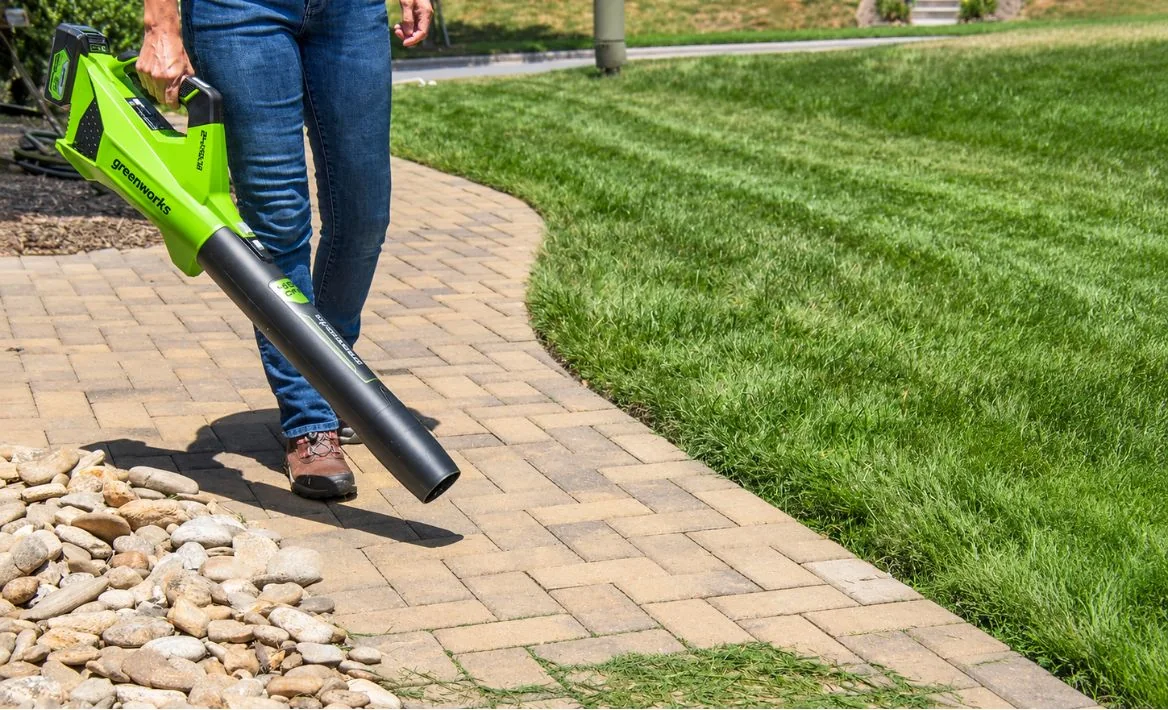
Hand brushes and rakes offer excellent control around delicate planting and gravel. For larger paved courtyards or multiple awkward corners, a cordless blower may make clearing loose, dry leaves more convenient. The Greenworks cordless leaf blowers range is one option to compare if you prefer equipment without a trailing mains cable or petrol to store. Look at each model’s weight, battery requirements and available space for storage before buying. Keep the air stream away from people, loose gravel, open windows and fragile pots, and be considerate about noise in shared residential buildings.
Protect paving and planting
A little attention to surfaces prevents small issues becoming more troublesome. Sweep away leaves that hold moisture against paving, and check for algae or moss in shaded spots. Clean stone with methods appropriate to the surface rather than assuming a pressure washer is safe for every material. Remove litter and blocked drainage around containers, but avoid disturbing roots or compacting damp soil. Raise pots on suitable feet where drainage is poor, and protect tender plants when frost is expected.
Think about waste and wildlife
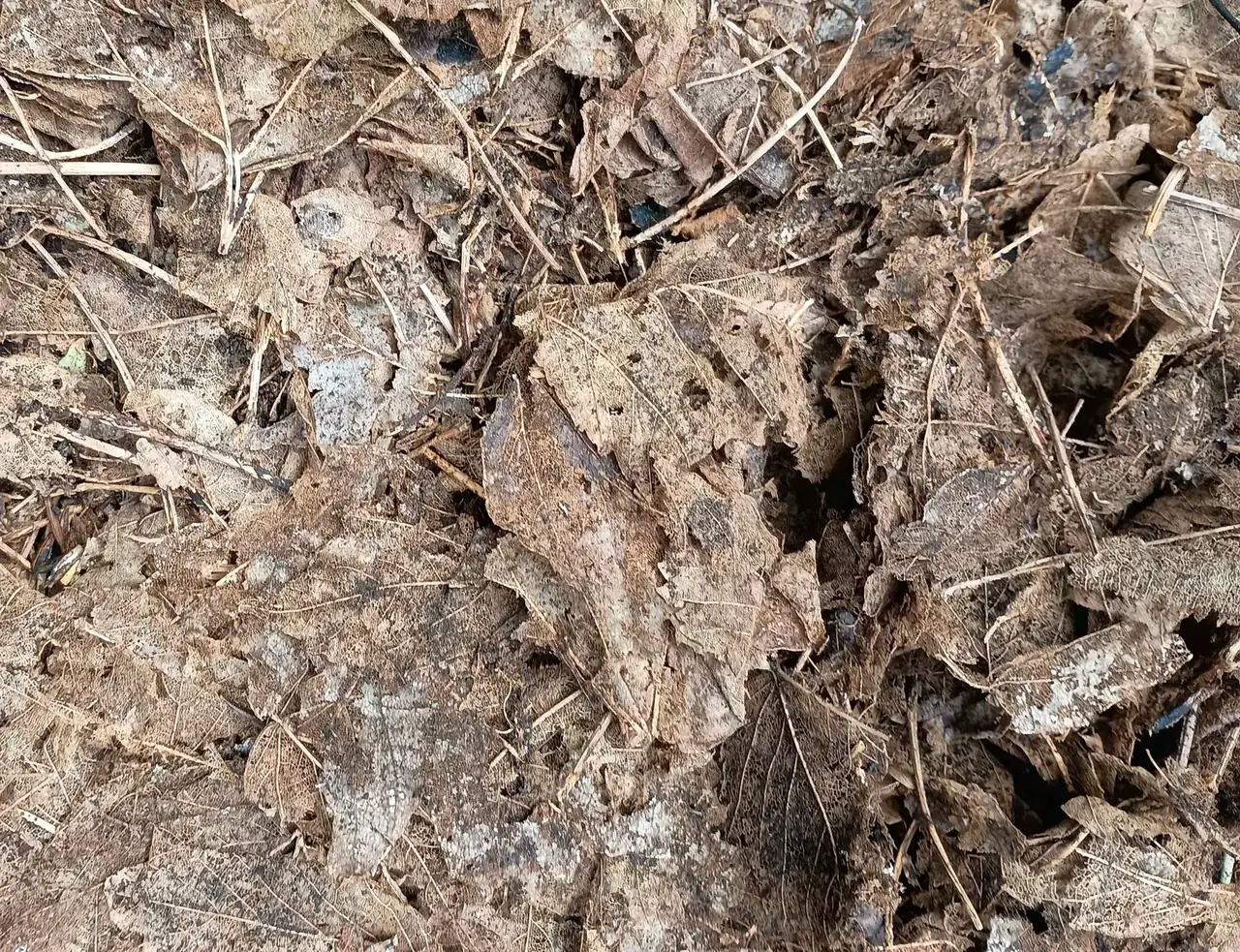
Gathered leaves can go into a council garden-waste service or a composting arrangement where space allows. Dry leaves also make useful leaf mould. There is no need to strip every planted corner bare: a small, undisturbed area of leaves can provide shelter for invertebrates, provided it is away from paths, doors and drains. Check piles before moving them in cold weather, when wildlife may be sheltering inside.
Keep the entrance presentable

Appearance matters in a small space because every detail is visible. Straighten planters, remove broken branches, secure loose furniture before strong winds and keep door mats clear. A few healthy evergreens or winter-interest plants can soften hard paving without requiring elaborate seasonal displays. If a courtyard is shared, simple, agreed rules about storage and waste make it easier for everyone to use.
Make winter maintenance routine
An orderly courtyard does not require constant work. It needs a realistic schedule, equipment suited to the available space and quick attention to safety issues. Focus first on access, drainage and plants; the welcoming appearance will follow. Before leaving tools or batteries in storage, clean them and follow the manufacturer’s instructions for safe storage and charging.
Main image: fallen leaves on stone steps in London. Photo: Garry Knight from London, England, CC BY 2.0, via Wikimedia Commons.