Before the Michelin stars and the designer boutiques, Mayfair ran on horses. Carriages rolled through its Georgian streets, wealthy men who owned racehorses packed its clubs, stables lined the mews behind grand townhouses, and its most famous auction yard sold bloodstock to actual royalty.
Racing shaped the district's identity for well over a century, becoming inseparable from the life of those few square streets between Piccadilly and Oxford Street. So how did this corner of London end up at the centre of British flat racing?
Tattersalls and the Aristocrats Who Bred Champions
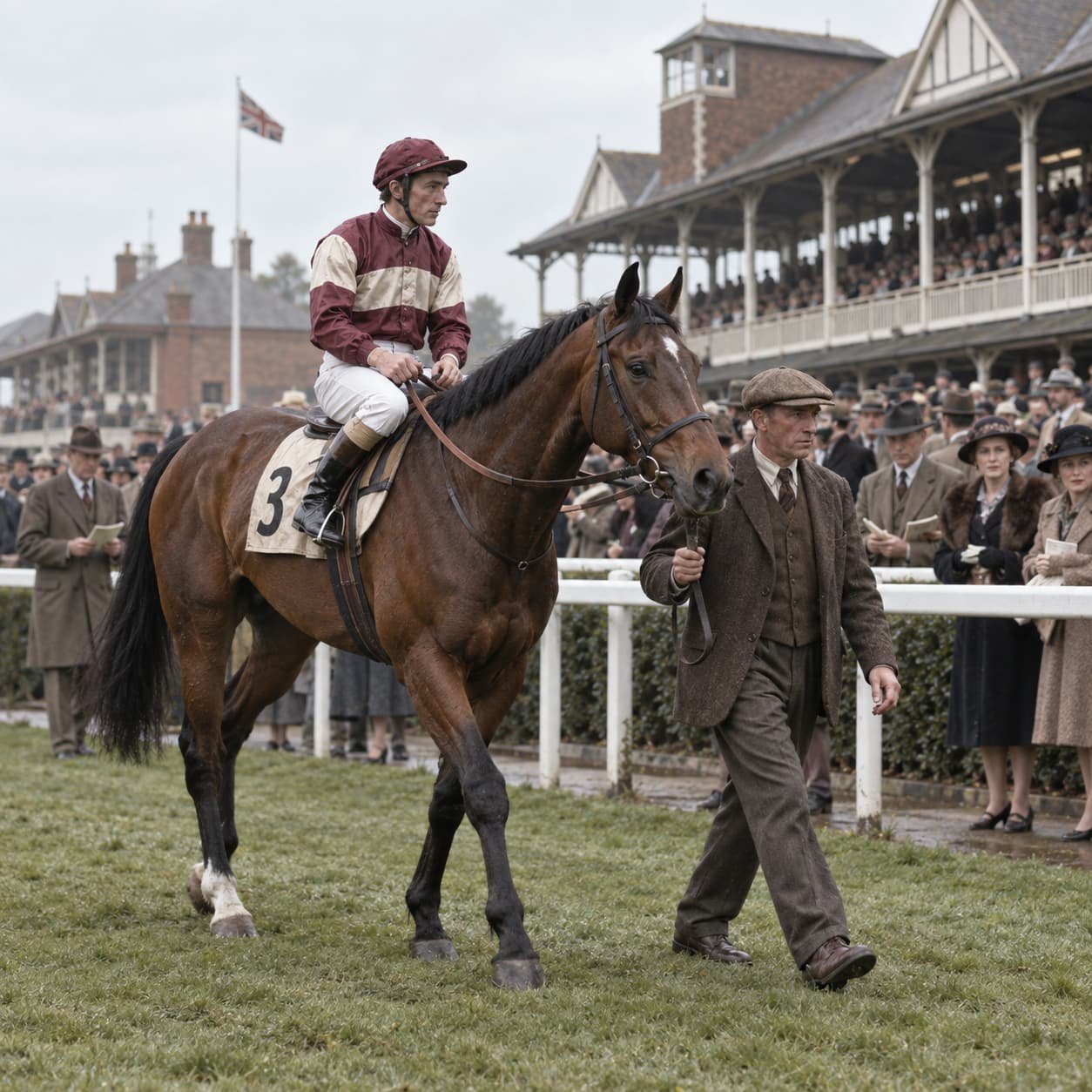
Richard Tattersall leased a plot near Hyde Park Corner from the Grosvenor family in 1766 and opened what would become Europe's leading bloodstock auction house. The place quickly grew into something much bigger than a horse market. It became a gathering point for the most powerful men in the country, a kind of headquarters for the racing world. The Prince of Wales, later George IV, showed up regularly, and the yard's Subscription Rooms were kept aside for Jockey Club members who treated the place like a second home.
Auctions ran every Monday, all year round. Thursdays got added during the season. Dozens of horses changed hands at each sale, and because the buyers included some of the wealthiest men in the country, the prices were eye-watering. Tattersall himself paid £2,500 for the racehorse Highflyer, a sum that gives you a sense of the money moving through the yard. For Mayfair's aristocratic residents, having a runner at Epsom or Newmarket said something about who you were and where you stood in society.
Tattersalls stayed near Hyde Park Corner until 1865, when the 99-year lease expired and the business relocated to Knightsbridge. Eventually it settled in Newmarket, where it still operates today. But for close to a hundred years, Mayfair was the place where thoroughbred deals got done.
Private Clubs, Racing Tips and High-Stakes Wagers
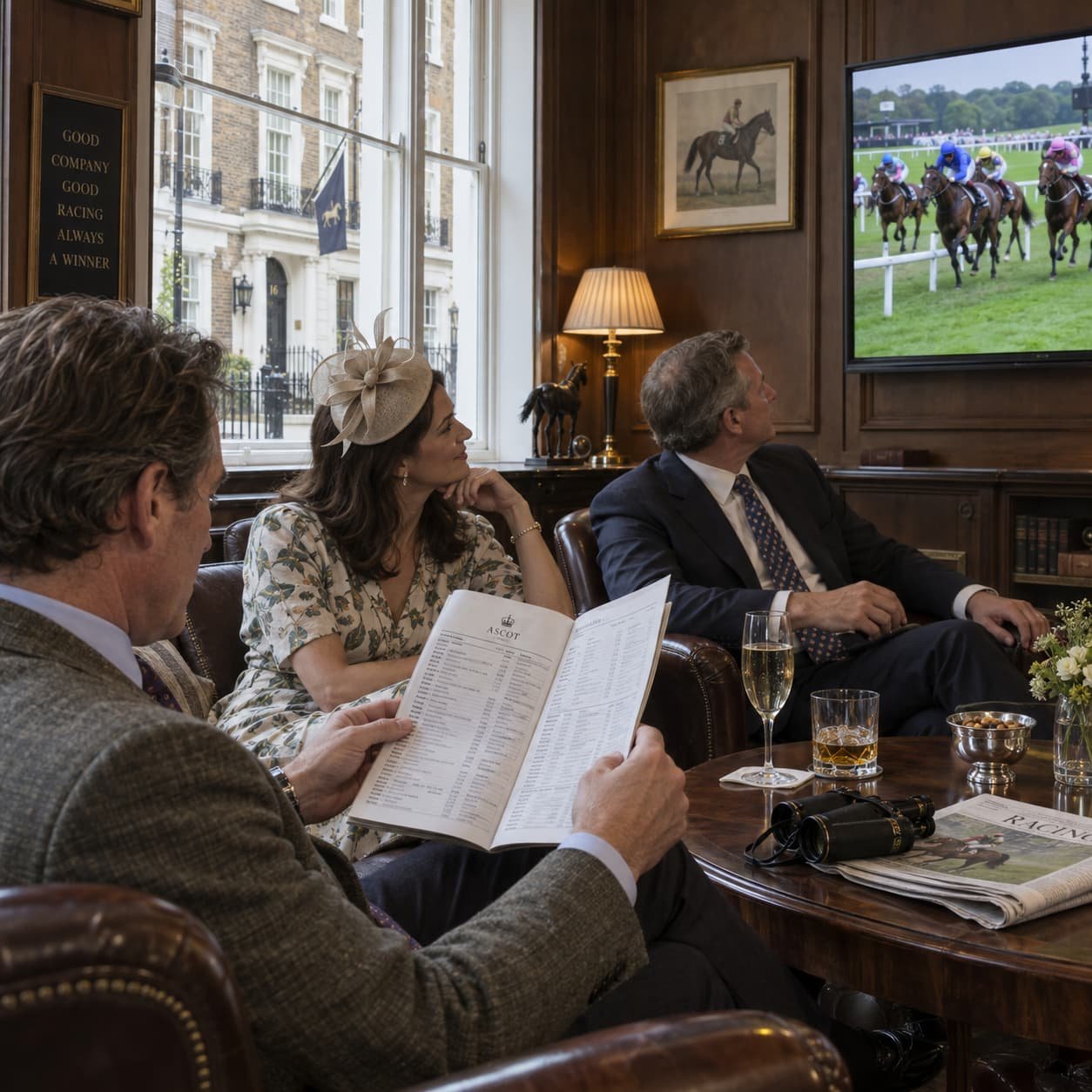
The private members' clubs of nearby St James's had their own deep ties to the sport, and their proximity to Mayfair's racing world made them natural extensions of the same social circuit.
White's, founded in 1693, kept a famous betting book where members scribbled down wagers on everything from election outcomes to which raindrop would reach the bottom of a window first. Horse racing itself rarely featured directly in the book, but racing intelligence flowed freely through the rooms, and the same men who wagered at White's often owned runners at Epsom and Newmarket.
Brooks's and Boodle's did much the same. They weren't bookmakers in any modern sense, but racing intelligence flowed freely through their rooms, and fortunes could be won or lost on a single tip passed over brandy.
That line between social club and gambling house? Paper thin. Mayfair's wealthy residents could talk form, back their picks and settle debts without ever leaving the same panelled room.
From Print to Screen: How Betting Went Digital
The clubs had their betting books, but ordinary punters needed something else. By the middle of the 19th century, horse racing was drawing crowds well beyond the aristocracy, and people who couldn't walk into White's or Boodle's still wanted to know which horse was the favourite, what the going was like and whether a jockey had been riding well that week. The answer came in print.
Racing coverage turned into a serious newspaper business. Dedicated sporting titles competed for readers who treated the form guide the way a stockbroker treated the financial pages, something to study properly before putting money down. Sporting Life, first published in 1859, became the go-to source for form guides, race cards and tips, and it ran for 139 years in print before the final edition landed on newsstands in 1998. For most of that run it was the paper you'd see tucked under arms at racecourses and betting shops across the country.
Now the racing world lives online. Punters watch races, compare odds, claim free bet offers and follow live results, all from their phones. The ritual is the same as it always was, studying the card, weighing up the field, backing a pick, but a folded newspaper and a quiet corner of a Mayfair club have been swapped for an app and a sofa.
What Mayfair Left Behind
Mayfair doesn't host bloodstock auctions or racing clubs the way it once did. But the district's fingerprints are all over British racing. Aristocrats who bred champions, an auction house that set the market, newspapers that printed the form guides, clubs where a racing tip counted as social currency.
All of that played a part in turning horse racing into one of Britain's most enduring sporting traditions. The neighbourhood changed over the decades, filled up with hedge funds and hotel bars, but the sport that took root in those streets kept going without it.