
In Mayfair, the pursuit of refined leisure has long been a hallmark of the area. Over time, these high-end experiences have found echoes in the way people seek premium entertainment options beyond traditional settings, including non gamstop casinos that offer UK players access to broader selections and flexible payment methods such as crypto. This connection highlights how exclusivity and choice continue to shape leisure decisions today.
Roots in Historic Private Societies
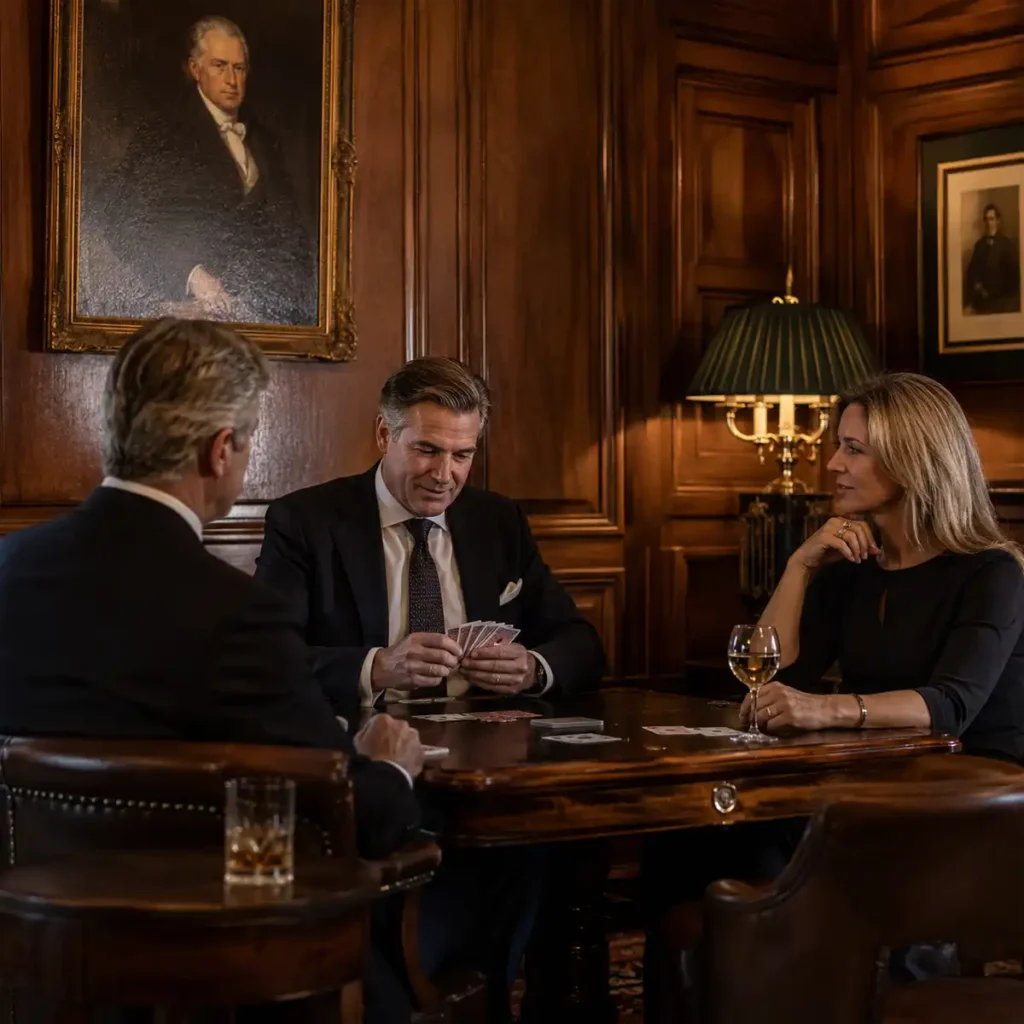
Mayfair’s private clubs emerged in the eighteenth and nineteenth centuries as sanctuaries for the wealthy and influential. These establishments provided quiet spaces where members could converse, dine and engage in card games or billiards away from public view. The atmosphere emphasised discretion and shared social standing rather than overt display. Accounts from historical studies of clubland show how these venues operated on strict membership rules and unspoken codes of conduct. Gentlemen would gather in wood-panelled rooms, their conversations ranging from politics to personal interests, all within an environment designed to foster a sense of belonging. Such settings offered a rhythm of anticipation, where small rituals like the arrival of a favourite drink or the dealing of cards added to the sense of occasion. The focus remained on quality and privacy, values that have persisted through generations. Detailed examinations of London’s clubland gentlemen further reveal the intricate networks of influence that formed within these walls, where alliances were quietly forged over shared meals and games of chance. Members often arrived with a sense of ceremony, shedding the bustle of the streets for an interior world governed by quiet authority and mutual respect. Over decades these habits shaped not only individual evenings but entire social calendars, turning the clubs into anchors of Mayfair life.
Transition to Modern Upscale Venues
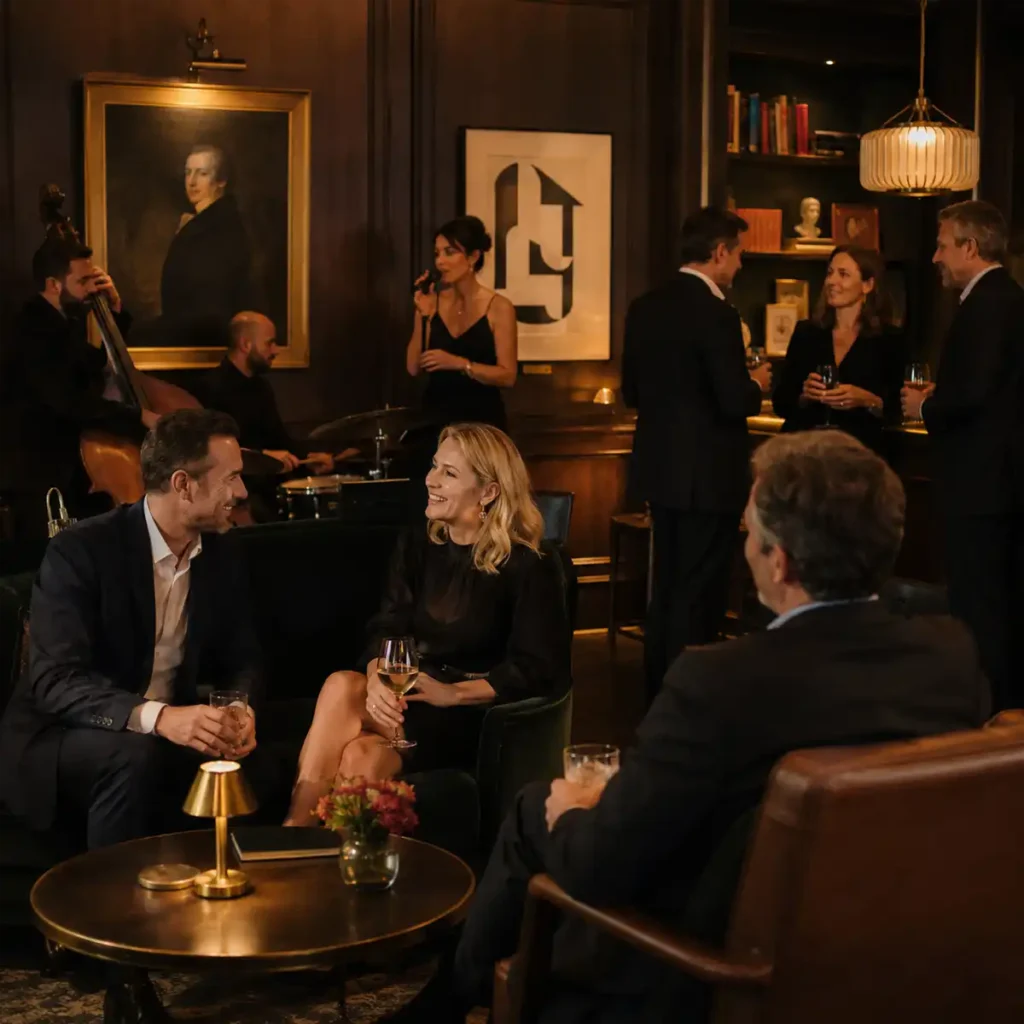
As the twentieth century progressed, Mayfair’s leisure options began to adapt. New rooms opened that retained the elegance of earlier clubs while introducing updated interiors and a wider range of activities. These spaces welcomed a slightly broader clientele, though the emphasis on comfort and sophistication stayed intact. The change reflected broader shifts in society, where leisure became more accessible yet still prized its exclusive character. Visitors might spend an evening in a members-only lounge, enjoying live music or quiet games in surroundings that echoed the past while feeling current. This period marked a gradual blending of old and new, with traditional elements like polished wood and attentive service meeting contemporary expectations of variety and ease. Records of entertainment and leisure spaces illustrate how architects and proprietors carefully balanced innovation with heritage, ensuring that new lighting schemes and seating arrangements never overwhelmed the original charm. Patrons noticed the subtle updates yet still recognised the reassuring rituals of arrival and service that had defined earlier decades.
Parallels with Contemporary Digital Leisure
Today the same desire for polished experiences appears in different forms. People who once sought out Mayfair’s refined rooms now often explore digital alternatives that mirror the same sense of premium quality. The evolution shows how personal choice has expanded without losing the core appeal of elegance and variety. Narratives from old records of London life reveal how clubs once served as extensions of daily routines, offering both respite and stimulation. Similar patterns continue, as individuals look for leisure that fits seamlessly into their schedules while maintaining high standards. The shift demonstrates a move from purely physical locations to options that travel with the user, preserving the feeling of a carefully curated environment.
Variety in Experiences Then and Now
Earlier generations found excitement in the limited but carefully chosen activities available within club walls. A single evening might involve several rounds of cards or conversation over fine wine, with the outcome shaped by chance and company alike. Modern equivalents expand on this idea by presenting a wider array of choices. Explorations of leisure spaces chapter dedicated to leisure illustrate how entertainment has grown to include interactive elements that appeal to diverse tastes, all while upholding an air of refinement. This growth in options allows participants to select what suits their mood, whether that means returning to familiar pursuits or trying something fresh. The underlying thread remains the search for quality moments rather than quantity. Accounts of entertainment venues from earlier periods show that even within narrow confines, variety existed through conversation topics, game choices and the personalities present on any given night.
The Appeal of Flexible Choices
Flexibility has become a defining feature of current leisure habits. Where historic clubs required physical presence and set hours, today’s alternatives accommodate different preferences, including methods of access that feel both convenient and secure. UK players in particular value the ability to engage from home or while travelling, with payment choices that include digital currencies. Such adaptability aligns with the longstanding Mayfair tradition of tailoring experiences to the individual. It allows the same sense of anticipation and personal control that once characterised an evening in a private room.
Preserving Elegance in Changing Times
Mayfair continues to represent the pinnacle of upscale leisure, yet the ways people pursue it have broadened considerably. The values of discretion, quality and personal enjoyment endure, even as the settings evolve from wood-panelled interiors to digital interfaces that travel anywhere. This continuity suggests that the essence of refined downtime remains constant, shaped by individual taste and the desire for memorable experiences. As preferences develop further, the connection between historic elegance and modern flexibility is likely to strengthen.