
For decades, the prevailing economic wisdom was simple: the world is flat, and goods should flow freely to wherever they can be produced most cheaply. You could design a phone in California, manufacture it in China, and sell it in Germany without much friction. But the wind has shifted. While the internet keeps us more connected than ever, physical and regulatory borders are thickening. Governments are no longer just focused on efficiency; they are prioritizing resilience, security, and domestic jobs. We are witnessing the return of economic nationalism, but this time, it is happening in a world that relies deeply on international connection.
The Shift From Just-in-Time to Just-in-Case
The fragility of global supply chains became undeniable recently. When a single disruption can halt car manufacturing in Detroit or delay medicine shipments to Paris, the risks of relying on distant partners become clear. Economic nationalism today isn’t about isolationism in the old sense; it is about reducing dependency.
Nations are aggressively investing in their own capabilities to ensure they aren’t left vulnerable during a crisis. This strategy focuses on several key areas:
- Energy independence: Countries are rushing to build renewable infrastructure not just to save the planet, but to stop relying on foreign oil and gas.
- Technology sovereignty: Governments are pouring billions into domestic microchip manufacturing to ensure their tech sectors can survive if trade routes close.
- Food security: There is a renewed push to support local agriculture, ensuring that a nation can feed itself regardless of global logistics failures.
The Battle for Online Sovereignty
It isn’t just physical goods that are facing new borders; the online economy is being partitioned, too. We tend to think of the internet as a borderless place, but governments are increasingly enforcing local rules on international services to keep revenue and data within their jurisdiction.
This is particularly visible in the entertainment and leisure sectors. In the past, a website could host servers anywhere and serve anyone. Today, nations enforce strict licensing regimes to ensure that profits from online activities are taxed locally and that consumer protections meet national standards. This has created a complex environment for the iGaming industry. Operators cannot simply launch a global site; they must navigate a web of specific regional laws. A platform like Verde Casino illustrates how modern services operate within these boundaries, offering a tailored experience that aligns with user expectations while navigating the complex regulatory frameworks of different jurisdictions. By adapting to these specific market requirements rather than forcing a universal model, companies can thrive even as regulatory walls go up.
This trend extends to streaming services, social media, and cloud storage. The “Great Firewall” concept is no longer unique to one or two nations; different versions of data localization laws are springing up in Europe, Asia, and the Americas.

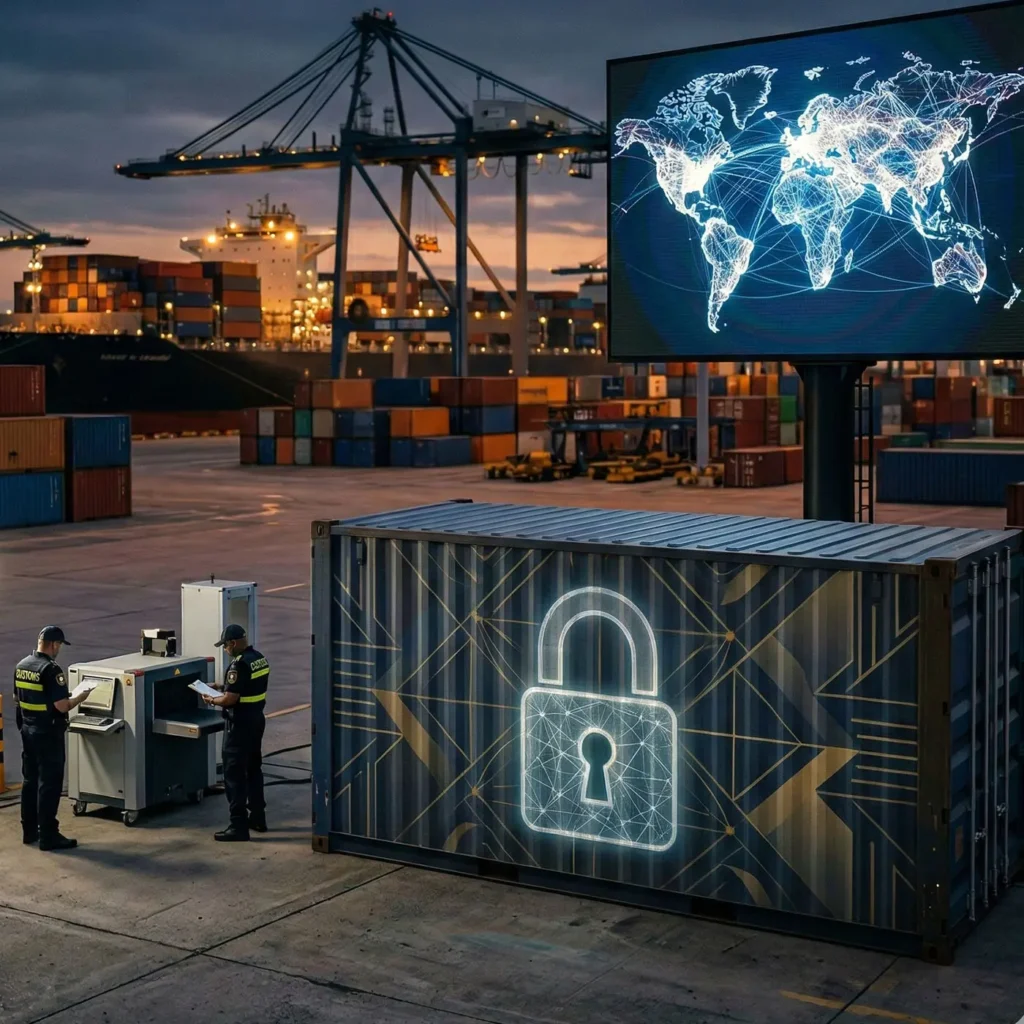
Tariffs and the Return of Industrial Policy
We are seeing a move away from unfettered free trade toward “managed trade.” Governments are using tariffs and subsidies to curate which industries succeed. The electric vehicle (EV) market is the current battleground.
If a country wants to build a domestic auto industry, it can no longer compete solely on price against established foreign giants who have been optimizing for decades. Instead, governments are stepping in with massive subsidies for local factories and tariffs on imports.
Comparing economic philosophies:
| Feature | Era of Globalization (1990-2015) | Era of Economic Nationalism (Present) |
| Primary Goal | Efficiency and low consumer prices | Resilience, security, and domestic employment |
| Supply Chain | “Just-in-Time” (Zero inventory) | “Just-in-Case” (Stockpiles and diversification) |
| Role of State | Minimal interference (Laissez-faire) | Active intervention (Subsidies and tariffs) |
| Key Resource | Cheap labor | Critical minerals and data |
This shift impacts your wallet. While prioritizing local industry protects jobs and ensures stability, it often means higher prices for consumers. A toaster made domestically will likely cost more than one imported from a region with lower labor costs.
The Consumer Push for “Made Locally”
Interestingly, this isn’t just a top-down mandate from politicians. Consumers are driving economic nationalism, too. There is a growing cultural fatigue with mass-produced, anonymous goods shipped from halfway across the world.
Shoppers are increasingly voting with their dollars for:
- Ethical sourcing: Knowing that the workers who made their clothes were paid fairly.
- Environmental impact: Reducing the carbon footprint associated with shipping products across oceans.
- Community support: Keeping money circulating within their own towns and cities.
This sentiment has turned “Made in [Country]” labels from a novelty into a powerful marketing tool. Brands that can prove their local heritage and supply chain transparency are winning over younger generations who value authenticity over rock-bottom prices.
Finding Balance in a Fragmented World
The rise of economic nationalism does not mean global trade is ending. We are too interconnected to go back to a pre-industrial state. You cannot build a modern computer using resources found in only one country.
Instead, we are moving toward “friend-shoring”—trading primarily with political allies—and strategic autonomy. It is a messy transition. It creates friction, increases costs, and complicates business for multinational companies. However, for many nations, the price of efficiency was too high in terms of lost jobs and strategic vulnerability.
We are entering an era where borders matter again—not just on a map, but in every server, shipping container, and grocery store shelf. The challenge for the next decade will be finding a way to protect national interests without breaking the global systems that allow us to communicate and innovate together.