
In a luxury home, the kitchen is about much more than function. Cabinetry, stone, lighting and joinery are chosen with as much care as a piece of bespoke furniture, and luxury kitchen appliances are now very much part of that picture. The fridge in particular has come a long way from the plain white box it once was. Today, it needs to fit neatly into the run of units, have the right ventilation and look just as good as the hand-finished timber or lacquered doors beside it.
In this article, we look at what to consider when choosing a high end fridge for a luxury kitchen renovation, and how it fits into the wider design. Rather than recommending specific products, we cover what makes a fridge truly high quality rather than simply expensive, which features are worth paying for, and how to brief your architect and builders so that your choice of appliances doesn't lead to costly changes later on.
Why it pays to choose your appliances early
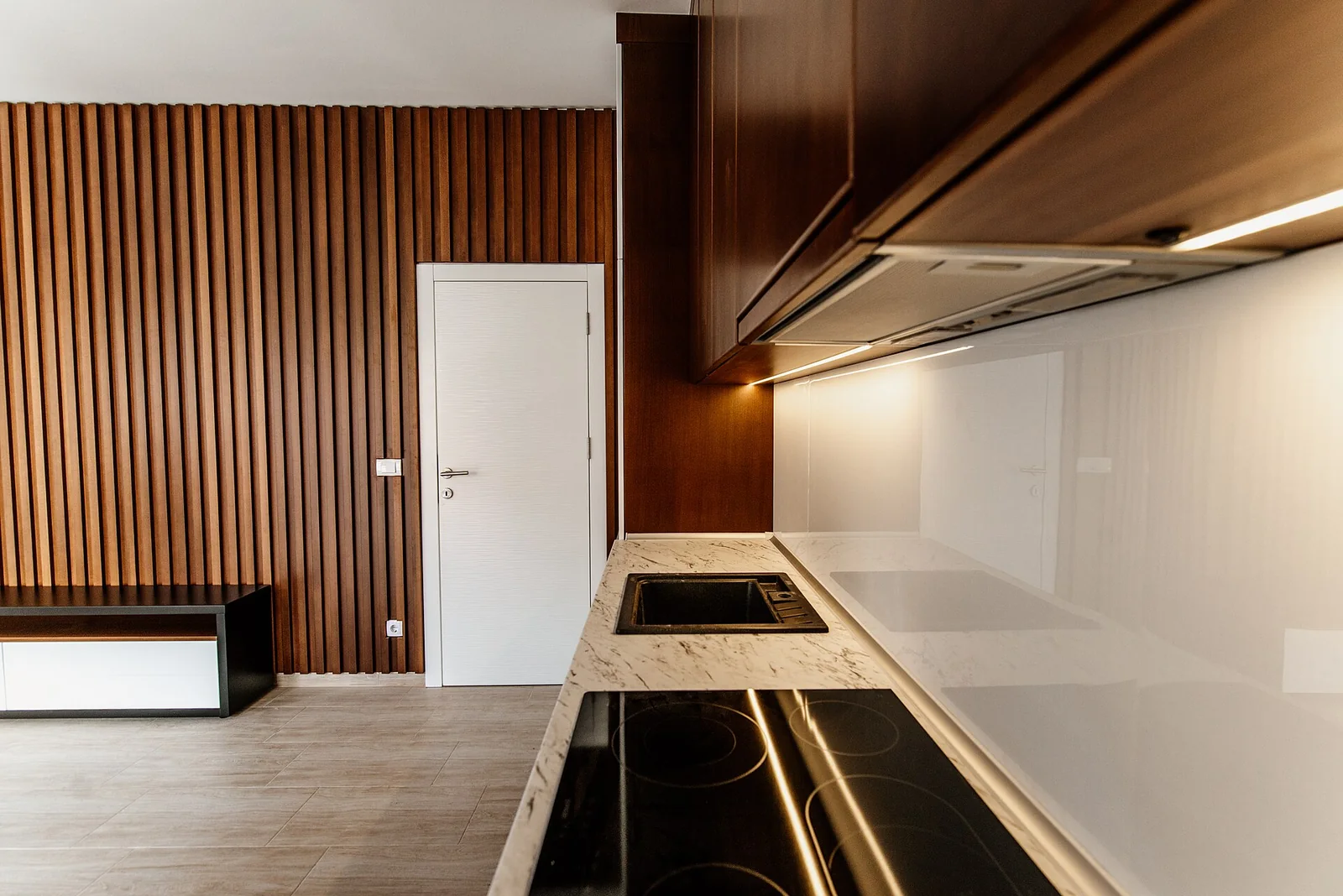
In a high-end renovation, appliances are chosen alongside the cabinetry and finishes, rather than picked from a showroom at the very end. There's a good reason for this. An integrated high end fridge is as much a part of the joinery as it is an appliance. Its width, depth, which side the door opens, how it's ventilated and the weight of its door panel all affect how the kitchen units are designed. Leaving the decision until late usually means either compromising on the layout or changing cabinetry that has already been costed.
Ventilation is another reason to plan ahead. Every fridge gives off heat, and depending on the model, it needs space above, behind or at the base for that heat to escape. A tall fridge that pushes warm air into a closed cupboard won't work as well and won't last as long. It's far easier to plan for this at the design stage than to fix it once the kitchen is fitted.
Finally, think long term. In a home you plan to live in for many years, a panel-ready fridge lets you update the look of your kitchen later on, with new doors, handles or worktops, without having to replace the fridge behind them. That's why more and more renovation plans now list the fridge right alongside the hob, extractor and sink, rather than as an afterthought.
Premium or just expensive? How to tell the difference
Price on its own doesn't tell you much about quality. Two fridges at a similar price can be very different in how well they're built, how quiet they are and how well they adapt to your needs over time, and these differences aren't always obvious in a showroom. So rather than asking what a fridge costs, it's more useful to ask what the extra money actually gets you.
Here's what sets a premium fridge apart:
- Separate climate zones. Keeping everything at one temperature is always a compromise. A premium fridge has several zones that you control separately, for example one for fresh produce just above zero, one for everyday chilling and one for wine or dairy. Ideally, each has its own cooling system, which makes a real difference to how well food keeps.
- Quiet running. In an open-plan kitchen that leads into a living area, a noisy fridge soon becomes annoying. Better insulation, smoother compressors and careful design all help, and you can often hear the difference between a well-made fridge and a cheaper one from across the room.
- Flexible interiors. Shelves that only move in set steps, and drawers and door shelves that can't be adjusted, soon start to feel limiting. Better fridges let you rearrange the inside as your household's needs change.
- Fully integrated design. Even the most attractive freestanding fridge still looks like an appliance. A fully integrated model disappears behind your kitchen doors, which is usually the goal in a high-end kitchen, but it needs to be fitted precisely and planned carefully for ventilation.
A good tip is to look closely at how a fridge is described. If the specification sheet is full of glossy marketing language but light on actual details, be cautious. The best luxury kitchen appliances are usually described in terms of their components, measurements and materials, rather than impressive-sounding adjectives.
Features worth looking for in a high end fridge
Once you know what separates premium from merely expensive, the next step is deciding which features matter to you. Not every feature is worth having in every home, so it helps to think about how you'll actually use your kitchen.
Adjustable shelving. Shelves you can move around are worth more than shelves that simply look beautiful. Your needs will change over time: tall bottles one year, large platters for entertaining the next. Ask whether the shelves, drawers and dividers can be moved easily without tools.

Separate temperature and humidity control. Fresh herbs, cured meats, cheese and wine all keep best in different conditions. A drawer set to higher humidity for fruit and vegetables, next to a drier one for charcuterie, makes a real difference if you love to cook. This is one of the clearest advantages of a high end fridge: separate compartments are built into the design and can't be added later.
Clean air and fewer odours. Ripening fruit gives off a gas called ethylene, which makes nearby produce spoil faster, while strong-smelling foods can flavour your butter and milk. Carbon filters and separate airflow for each compartment help with both. And if guests are likely to open your fridge, cleaner air inside is a nice bonus too.
Ice, water and specialist storage. Plumbed-in ice makers, wine cabinets with UV-filtered glass and freezer drawers with fast-chill settings each have their uses. The temptation is to choose them all, but it's better to think about how you live first, such as how often you entertain, whether you already have somewhere to store wine and how much you use ice, and then decide.
Servicing. A premium fridge should last for many years, so it's worth thinking about how easy it will be to service. Ask where the compressor is, how an engineer would reach it and how the door panels come off. If the kitchen units have to be taken apart for a routine service, the design hasn't been properly thought through, however much the fridge costs.
How to brief your designer and builders
Good planning is what turns a great appliance into a great installation. Three simple steps make all the difference.
First, decide on your appliances before the cabinetry is drawn up. Confirm the exact model, its size, ventilation needs, hinge side and panel requirements early, so your joiner can design around them. Swapping to a different model later, even a similar one, often means reworking the units.
Second, ask for the full technical specification, not just the showroom brochure, and share it with your builder and joiner at the same time. It includes everything they need, from the cut-out size and weight to the electrical and water connections.
Third, make the appliance installation part of the building schedule rather than squeezing it in at the end. Integrated fridges need careful levelling, and the door panels need to line up perfectly with the rest of the kitchen. Getting this right is what makes a kitchen look truly bespoke.
Frequently asked questions
How far in advance should premium appliances be ordered?
Earlier than you might expect. Many premium fridges are made to order and shipped directly from the manufacturer rather than held in stock, so it's safest to order once the cabinetry drawings have been signed off, rather than waiting until the kitchen is ready. That way, your appliances arrive in good time to be fitted in the right order, and any delivery delays can be dealt with before they hold up the project.
Do premium appliances need specialist servicing arrangements?
Usually, yes. Leading manufacturers, including a well-regarded German appliance brand or two, tend to have their own trained service teams rather than relying on general repair companies. Before you choose a model, check that it can be serviced where you live, and ask about response times and how readily spare parts are available. A long warranty is only useful if there are engineers nearby who can actually come out.
Can premium refrigeration be retrofitted into an existing kitchen?
Sometimes, but there are a few things to bear in mind. Swapping like for like into an existing space is simple if the measurements match. Moving from a freestanding fridge to a fully integrated one, however, almost always means changes to the cabinetry, as the opening, ventilation and door panels all work differently. The best time to choose premium refrigeration is during a full renovation, when the kitchen can be designed around it. A retrofit is possible, but it rarely achieves quite the same finish.
Main image: an integrated fridge set into walnut kitchen cabinetry. Image supplied by Liebherr.