Creative experiences increasingly compete for attention. Audiences move through exhibitions, festivals, performances and public events surrounded by screens, signs and familiar imagery, so memorable design must offer something immediate. Inflatable art answers that challenge through scale, colour, movement and an unexpected physical presence. A single sculptural form can alter a room, create a landmark across an outdoor site or give a production a recognisable visual identity. When imaginative design meets careful technical planning, an inflatable becomes more than decoration. It becomes part of the story people enter, photograph and remember.
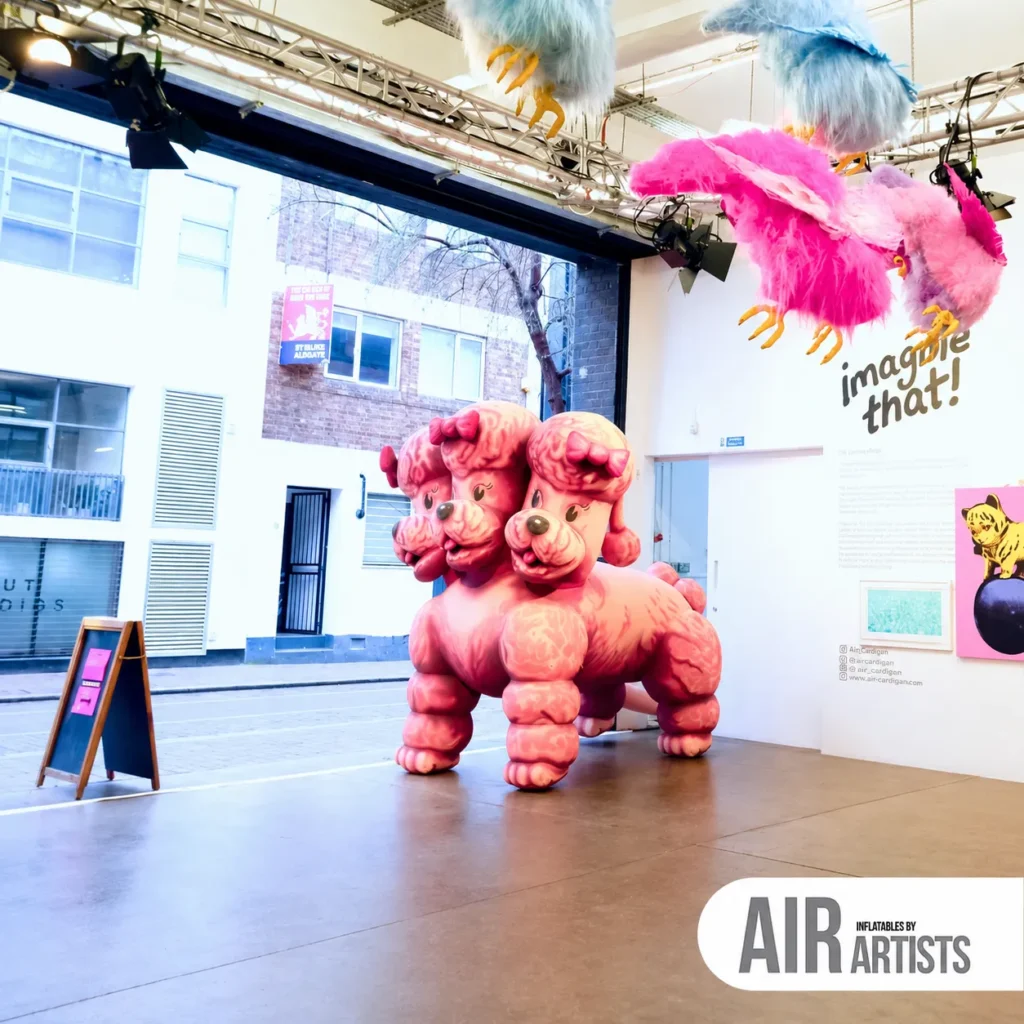
An imaginative, hand-painted inflatable sculpture transforms a gallery into a playful environment that invites visitors to pause, explore and see the space differently.
Why Scale Has Become Part Of The Story
Scale changes the way people respond to an object. A familiar animal, plant, character or everyday item feels different when enlarged beyond normal proportions. It may become humorous, theatrical, surreal or unsettling, depending on its form and surroundings. That emotional shift encourages visitors to pause and reconsider what they are seeing rather than simply walking past another display.
Large pieces also shape the wider environment. They can draw visitors towards an entrance, establish a focal point above a crowd or divide an open venue into distinct areas. In a gallery, an oversized sculpture may influence how people move around the room. At a festival, it can become a meeting place visible from a distance. On stage, it can frame performers while strengthening the production’s visual language.
From A Creative Idea To Bespoke Three Dimensional Form
Strong inflatable projects begin with a clear idea rather than a standard shape. Designers must consider what the piece should communicate, how it will be viewed and how it relates to lighting, sound, performers or surrounding architecture. Sketches and references can then become a sculptural design with suitable proportions, surface details and structural support.
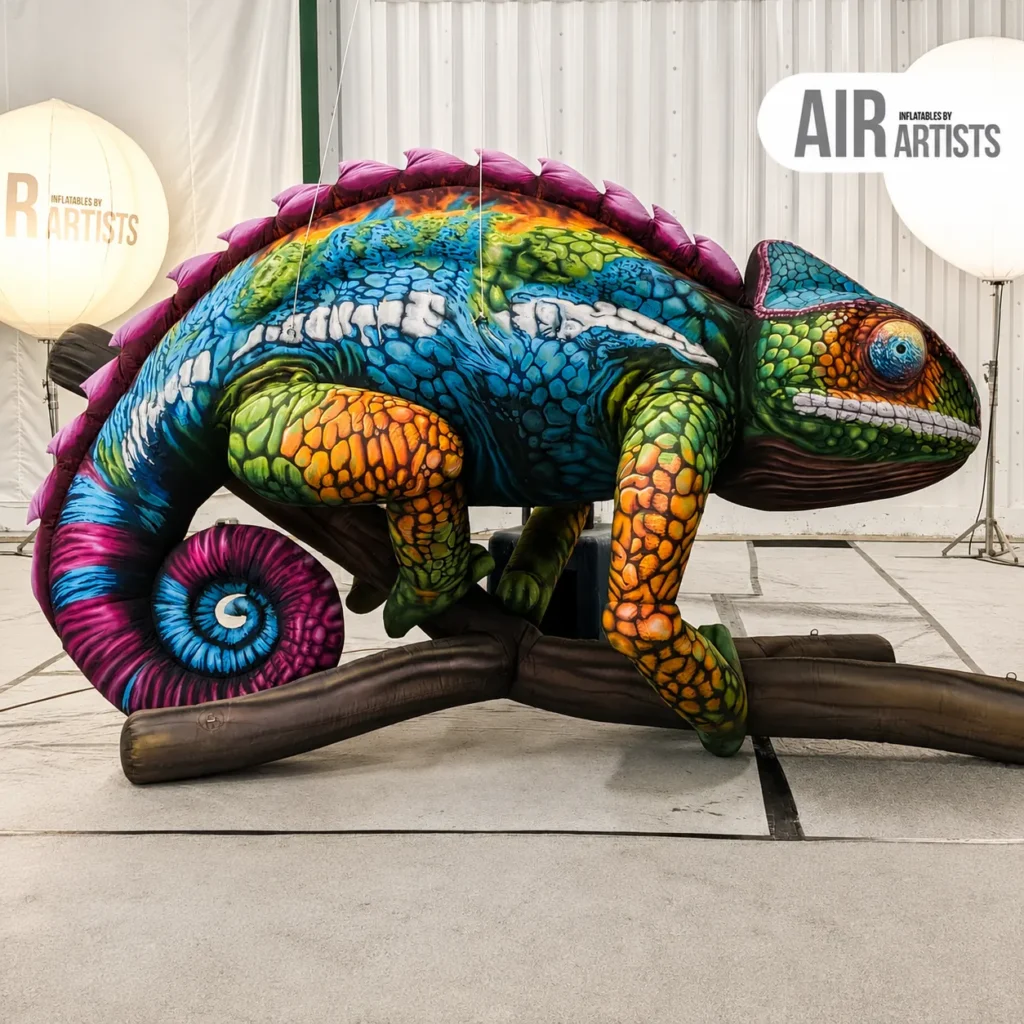
Working with specialists who create custom inflatables in the UK allows artists, producers and creative directors to develop forms around a specific brief. The finished piece might reproduce a recognisable object, interpret an illustration or create something abstract. Colour gradients, painted textures and carefully modelled features add depth, helping the surface read convincingly both across a venue and in close photographs.
Creating Experiences People Remember And Share
Immersive design works when visitors feel that they have entered a distinct world. An inflatables art installation can create that feeling by occupying space in a way flat graphics cannot. It may hang overhead, curve around an audience, emerge from a stage or form a route that people physically pass through. This changes the artwork from something observed into something experienced.
That physical relationship encourages natural interaction. Visitors may gather around the sculpture, use it as a backdrop or photograph it from different angles. This does not mean every project must be designed solely for social media. However, a distinctive installation can extend an event when images are shared afterwards. The strongest pieces still deliver impact in person, with scale, texture and detail that cannot be fully communicated through a screen.
Why Inflatable Structures Suit Temporary Creative Spaces
Temporary events often require ambitious design without permanent construction. Inflatable structures can provide substantial volume while remaining straightforward to transport and position. Once deflated, a large form occupies far less space than a rigid sculpture of similar dimensions. This makes it practical for touring shows, changing exhibitions and campaigns that must appear in several locations.
Installation time matters when venues operate to restricted schedules. A creative team may have only a short period between gaining access and welcoming an audience. A well planned inflatable can be positioned, connected and brought to full form without the extended assembly associated with many conventional scenic structures. Afterwards, it can be deflated and packed for storage or transport, ready to support another performance or presentation.
Where Inflatable Art Can Make An Impact
Music and theatre productions use inflatable forms to build atmosphere without overcrowding the stage with heavy scenery. A giant creature, symbolic object or imagined landscape can support a narrative while remaining adaptable to different venues. Lighting can alter its mood from one scene to the next, while movement or changing air pressure can introduce an added sense of life.
Beyond performance, inflatable sculpture works well in galleries, public spaces, festivals, launches and experiential campaigns. An abstract piece may encourage reflection in an exhibition, while a realistic replica can communicate a product or theme immediately. Outdoor installations can create striking landmarks, provided the design accounts for location, weather, anchoring and audience access. The medium is flexible, but purpose should always guide the final form.
Planning A Successful Large Scale Installation
A memorable result depends on detailed preparation. The creative brief should define the audience, viewing distance, site conditions and desired emotional response. Practical information is equally important, including dimensions, access routes, power requirements, rigging points and available installation time. Considering these factors early protects the central idea from avoidable compromises later.
The environment should also be treated as part of the composition. A sculpture that looks dramatic in a studio may require different colours or proportions within a dark theatre, bright exhibition hall or open landscape. Lighting tests, scaled visuals and clear communication between designers, fabricators and production teams can reveal issues before arrival. Good planning allows the finished work to appear effortless, even when significant expertise supports it behind the scenes.
Conclusion
Inflatable art offers creative teams a distinctive way to transform spaces, strengthen visual storytelling and build memorable audience experiences. Its appeal lies in the contrast between monumental appearance and practical flexibility. A thoughtfully designed piece can feel playful, cinematic, elegant or surreal while responding closely to its setting. Whether used above a concert stage, throughout an exhibition, at the centre of a festival or within a public display, it can turn an ordinary location into somewhere visitors want to explore. They invite curiosity, conversation and a renewed sense of creative possibility. The best installations begin with a strong idea, respect technical realities and use scale with purpose, creating moments that remain vivid long after the structure has been packed away.