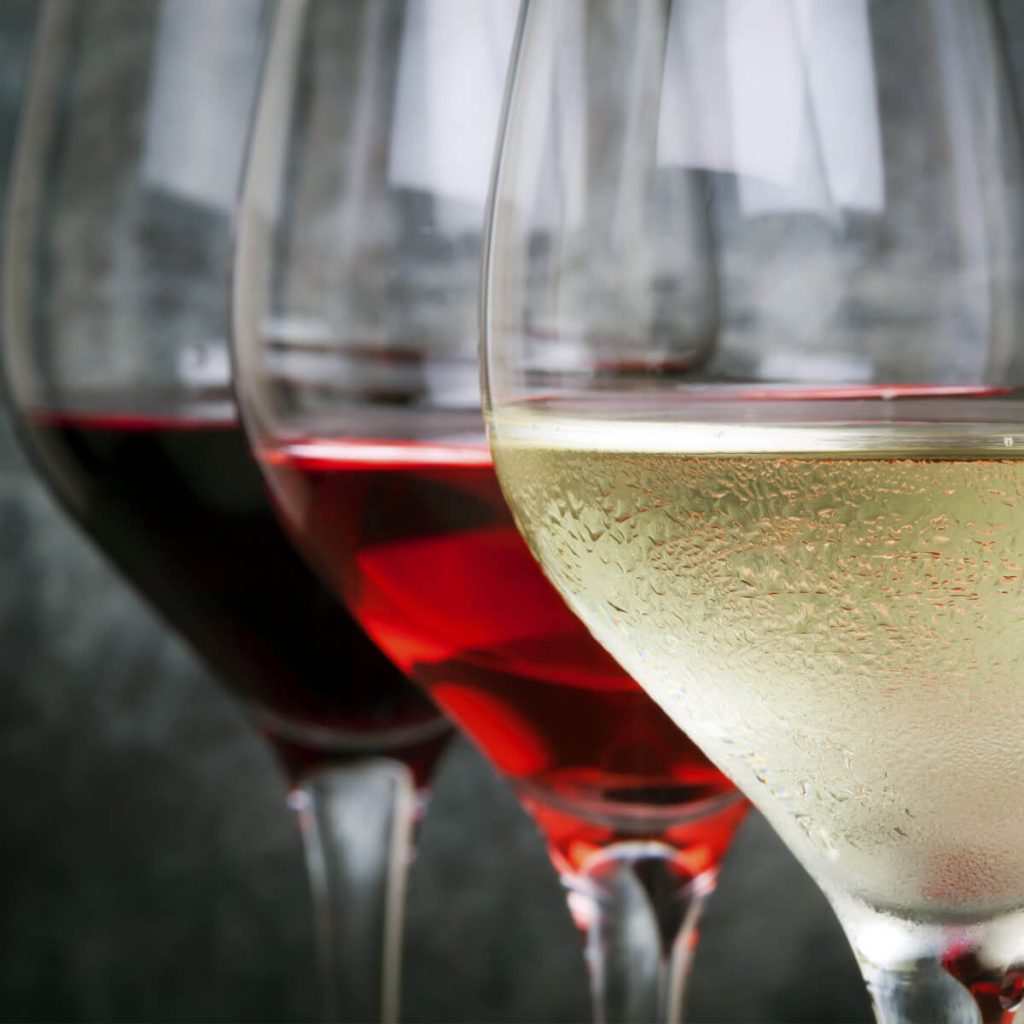
If you want to start enjoying your wine more and not just mindlessly drink it, you may not know where to start when it comes to taking your drinking experience to the next level; here are a few tips to help you get started.
Study
The first thing you should do is study and do more research on wines. Much like anything you want to consume more of, whether it be vapes or wine, study and understand the process of creating it, the barrels used, the region it is made in, etc.
While not an incredibly crucial step, it is helpful to know more about the wine than just what it tastes like, as these other factors play a role in the flavour of the wine and differentiate it from other wines.
Understand Flavours & Notes
One crucial step that will allow you to fully enjoy your wine is having an understanding of the different flavours and notes you are tasting and smelling. Wine very rarely has one or two flavours, and you will miss out on a lot if you don’t know what you are tasting.
While this knowledge will come as you drink more wine, what is essential is that you savour each sip and take the time to analyse what you are tasting and not just sip the glass away.
Taste Properly
Speaking of tasting, there is a right way and a wrong way to do it. Here are the three main steps you should take to ensure you are getting the whole tasting experience.
Observe
The first thing you should do is simply look at the wine. What colour is it, is it clear or a bit murky, and then look at the “legs” of the wine. The legs refer to the droplets on the inside of the glass; the higher the alcohol content of the wine, the more obvious the legs are.
Smell
Next, swirl and smell the wine. Scent plays a crucial role in the tasting process, and you will pick up on flavours and notes that you may not taste. Additionally, get your nose in the glass for the full effect, and take your time when smelling.
Sip
Finally, it’s time to take a sip. It is essential to take a small sip and roll it around your mouth, covering the surface of your tongue. Be mindful of what you are tasting, as the wine can change in flavour between the sip and when you swallow it.
Study the Bottle
Before popping open a bottle, study it. More importantly, focus on whether or not the bottle has a screw cap or a cork. For a screw cap, make sure it has been opened already or damaged, as it could mean the wine has over-oxidised.
For a cork, make sure it isn’t damaged or degraded. They are typically more likely to get damaged compared to screw tops, and are also very prone to degradation if the bottle hasn’t been stored correctly for an extended period of time. Additionally, cork releases a chemical called TCA, which can ruin a wine’s flavour.


Use the Right Glassware
Many first-time wine drinkers may not realise that the glass they drink from can change how the wine smells and tastes, and therefore change the drinking experience.
Red Wine
Red wines are high in tannins and ABV, and when these aren’t appropriately oxidised, they create a bitter and rather unpleasant taste. Because of this, you will often see red wine decanted into much larger serving bottles and aerated for an extended period of time.
When tasting red wine, you want to use a glass with a larger bowl and tall sides. This allows the wine to aerate, giving you the best drinking and tasting experience.
White Wine
White wine is typically less intense and less bitter than red wine, and therefore, you don’t need a glass that has a large bowl for aeration. Instead, white wine glasses typically feature a smaller bowl and a thinner glass.
The smaller bowls make the flavours and aromas more concentrated, and allow you to get the whole experience when smelling and tasting the wine.
Champagne
Champagne and sparkling wine are simple, as you just want to go with a champagne flute. These types of glasses give the bubbles less room to move and oxidise, and will keep the champagne fizzier and more flavourful for longer.
Temperature
Temperature plays another vital role in the tasting and drinking experience. White wine is typically best served and enjoyed a bit chilled, but not fridge-cold. Sometimes in an ice bucket will usually do the trick.
On the other hand, red wine is best served and enjoyed at room temperature. Typically, you will decant your red wine, leave it to aerate for a while, and then drink it without it being cold or using ice.
Finally, champagne and sparkling wine can be enjoyed cold or chilled. While you shouldn’t make it super cold or use ice when tasting it, you can do both of these things when you just want a glass to enjoy over dinner or while watching the sunset.