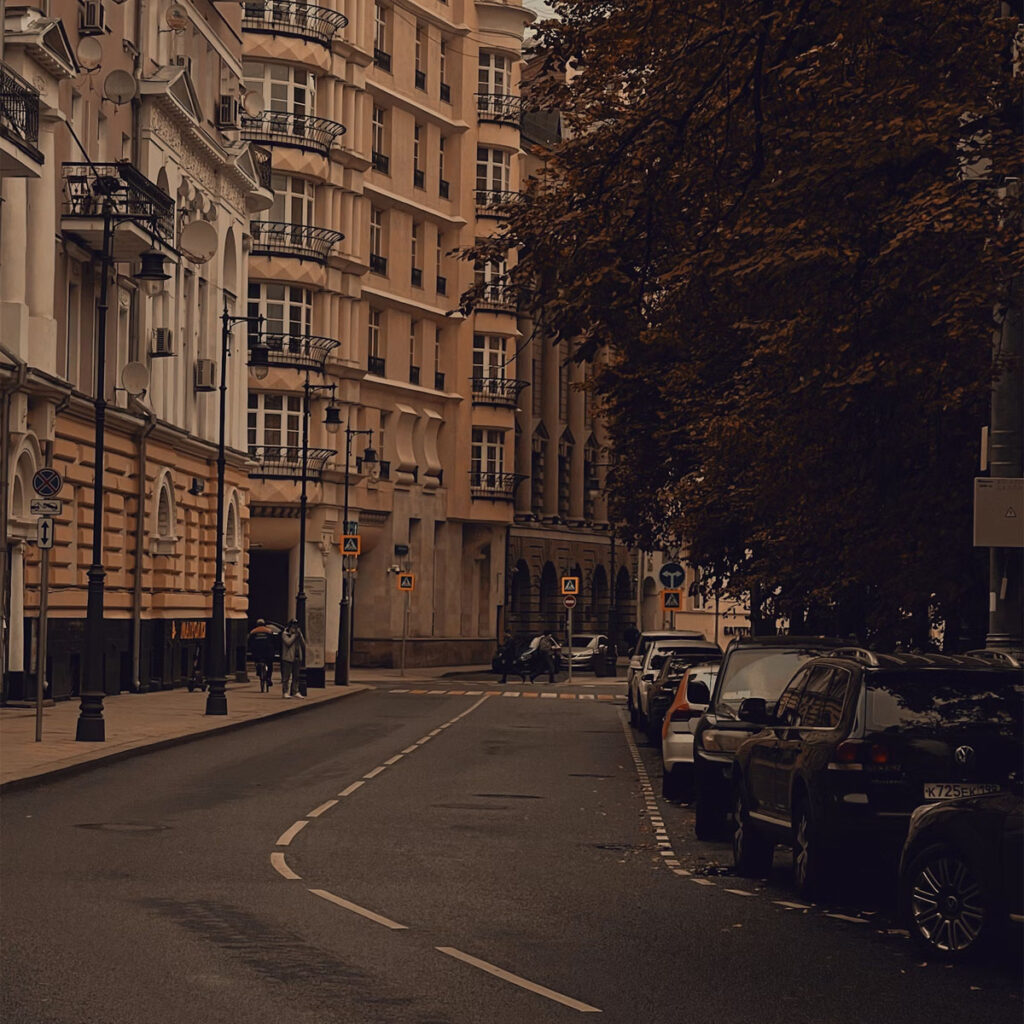
There is a distinctive hum in Mayfair. Not the idle chatter of passing pedestrians nor the revving of Bentleys that idle beside Georgian townhouses. It is the rhythmic rise and fall of a gavel, echoing through oak-panelled salerooms where art meets ambition. London, and more precisely Mayfair, retains a magnetic position at the heart of the global auction world. Here, rare works of art, historic jewels, and high-performance motorcars change hands not just for sums that defy gravity but with a ceremony that shapes culture and captures headlines. In the face of shifting markets and mounting digital competition, London’s auction houses still define excellence.
Anchored by the weight of tradition but constantly evolving, Sotheby’s, Phillips, and Bonhams preside within Mayfair’s grid of elegance. Just beyond its borders, Christie’s in St James’s completes the quartet of giants that collectively uphold London’s auction supremacy. Their presence within a stone’s throw of each other transforms this part of the capital into one of the most valuable and culturally charged neighbourhoods in the world. These institutions are not merely intermediaries in trade; they are architects of taste, stewards of history, and gatekeepers of value.
This article examines their origins, their rise, and their enduring impact. It examines how Mayfair evolved from marshland to marketplace, why collectors continue to be drawn here, and how each house has crafted a legacy worthy of its address.
The Making of Mayfair, From Spring Fair to Global Capital of Prestige
Mayfair’s reputation as London’s centre for refinement is not accidental. The district’s rise was orchestrated by the marriage of land, wealth, and vision. The Grosvenor family’s acquisition of extensive property through the union of Sir Thomas Grosvenor and Mary Davies in 1677 set the stage for large-scale urban development. From the early 1700s, wide boulevards and structured garden squares emerged — among them Grosvenor Square and Berkeley Square — deliberately crafted to lure the aristocracy westward from the dense quarters of Soho and Holborn.
As the social elite settled into these spacious homes, cultural institutions followed. The founding of the Royal Academy of Arts in 1768 brought credibility and creative force. By the 20th century, art galleries and dealers lined the elegant streets, cementing Mayfair’s position as London’s commercial heart for art and antiques. Streets like Cork Street became synonymous with avant-garde exhibitions, while New Bond Street and Dover Street nurtured the luxury and design ethos that now define them.
Today, the architectural splendour of these streets does more than preserve heritage. It confers legitimacy and desirability to the transactions that unfold behind their facades. Auction houses here are elevated by the setting, their success underpinned by the geography of trust.
Mayfair’s Core: New Bond Street, Berkeley Square, and Dover Street
New Bond Street, one of the world’s most prestigious retail addresses, exemplifies the fusion of art and affluence. Home to both Sotheby’s and Bonhams, its legacy stretches back to the 18th century. The arrival of leading jewellers and art merchants shaped its reputation as a hub for collectors. Sotheby’s has operated from this street since 1917, occupying a site formerly used by Gustave Doré. Bonhams, meanwhile, took over its cutting-edge premises in 2013 at 101 New Bond Street, following an extensive architectural transformation that signalled its modern ambition.
Berkeley Square, refined and stately, hosts Phillips. The auction house moved into number 30 in 2014, establishing a striking presence among period buildings. Its salerooms reflect its emphasis on modern design, targeting a different kind of collector — one drawn not just to tradition but to sleek aesthetics and 21st-century culture.
Dover Street adds a creative pulse to the district. Once home to literary and artistic figures, it now accommodates contemporary galleries and private members’ clubs like The Arts Club. It offers a softer contrast to the commercial grandeur of Bond Street, but its role in the auction ecosystem is just as essential — a meeting ground for creatives, dealers, and patrons.
Fun Fact: Mayfair’s famous Berkeley Square is home to London’s oldest plane trees, planted in 1789. Towering above modern art sales and historic salerooms, they are living monuments to the district’s long-standing elegance.
The Global Collector: Who Shops in Mayfair?
The clientele frequenting Mayfair’s auction houses is as cosmopolitan as the catalogues themselves. Royal families, institutional buyers, celebrities, and high-net-worth individuals from every continent congregate in pursuit of prestige. These buyers aren’t motivated solely by passion. Many view fine art, classic cars, or antique jewels as both cultural investments and resilient stores of value.
Sotheby’s clientele reportedly includes numerous individuals listed among the world’s wealthiest. At the same time, Bonhams has handled the collections of cultural icons such as Lauren Bacall and Sir Michael Caine. There is also a growing demographic of younger collectors, particularly Millennials and Gen Z, engaging with auctions online, purchasing NFTs, contemporary art, and collectable watches. Phillips, in particular, has tailored much of its branding and sales strategy to this emerging group, capitalising on their preferences for immediacy, digital platforms, and aesthetic cohesion.
The high concentration of wealth and culture in Mayfair fosters a unique ecosystem. Surrounding galleries provide feeder material for auctions. Luxury boutiques reinforce the idea of curated consumption. Clubs and restaurants serve as informal deal rooms where million-pound agreements are often shaped long before the hammer falls.
Sotheby’s: Grandeur, Adaptability, and Market Dominance
Founded in 1744 by Samuel Baker, Sotheby’s was born as a bookseller and quickly found favour among London’s intellectual elite. The first recorded sale, consisting of valuable books from the library of Sir John Stanley, grossed £826, a considerable sum at the time. Yet it wasn’t until 1917 that the company made a transformative decision: relocating to New Bond Street, aligning itself more directly with the art market.
Today, Sotheby’s offers everything from Old Master paintings to luxury watches and classic cars. It is a diversified institution with salerooms in New York, Geneva, Paris, and Hong Kong, yet its Mayfair base remains a key pillar. The variety of departments housed under its roof speaks to its ability to anticipate and serve evolving collector tastes.
Landmark Achievements
Among Sotheby’s crowning achievements is the sale of Sandro Botticelli’s Young Man Holding a Roundel, which fetched $92.2 million in 2021. The painting, dating to the early Renaissance, included a genuine 14th-century Sienese roundel embedded within it — a feature that added historical weight and mystery.
Another standout sale was the $36.1 million paid for a natural pearl pendant once owned by Marie Antoinette. With its tumultuous provenance, smuggled out of France during the Revolution, the pendant captivated bidders with both beauty and drama.
In 2025, Sotheby’s orchestrated the sale of the Saunders collection of Old Masters. Though not all estimates were exceeded, the auction still set a record for the most valuable single-owner collection sold in a single day, highlighting the firm’s ability to assemble and promote cohesive, market-defining sales.
Innovation and NFTs
Unlike some of its older competitors, Sotheby’s has fully embraced digital transformation. Its 2021 launch of the Sotheby’s Metaverse marked a turning point in how major auction houses engage with NFTs and digital art. Previous milestones included the $11.7 million sale of a CryptoPunk and a Bored Ape Yacht Club NFT that reached $3.4 million.
More than simply hosting digital auctions, Sotheby’s has built a robust platform with curated sales, educational materials, and collector communities. This willingness to invest in new markets — from online bidding tools to in-house AI for valuation — ensures that it stays not just relevant but pioneering.
Phillips: The Modernist with a Mission
Founded in 1796 by Harry Phillips, this house has undergone several transformations to become the highly specialised institution it is today. Its 2014 relocation to 30 Berkeley Square marked a new chapter, symbolising its commitment to contemporary design and forward-facing culture. In contrast to Sotheby’s encyclopaedic approach, Phillips has refined its focus to contemporary art, design, photography, watches, and jewels.
Sharp Branding, Younger Audience
Phillips excels in cultivating a sleek, modern identity. Its salerooms resemble galleries, its catalogues reflect design sensibilities, and its sales schedules cater to collectors of the present rather than the past. This appeals to a new class of buyer — digitally native, culturally informed, and often looking to build collections with a modern aesthetic.
High-profile results include an $85 million sale of a Jean-Michel Basquiat painting in 2022. Though this did not eclipse Sotheby’s record for the artist, it established Phillips as a serious player in the contemporary art market. Similarly, its partnership with watch specialists Bacs & Russo has made its watch division one of the most respected globally, often outperforming expectations at international auctions.
Strategic Expansion
Phillips’ strategic initiatives include the launch of Phillips Art Advisory in 2021, which offers private collectors bespoke advice on acquisitions and long-term planning. By building services that extend beyond auction day, the house positions itself not just as a vendor but as a lifelong partner in the collecting journey.


Bonhams: Eclectic Expertise, Contemporary Focus
Bonhams traces its roots to 1793, when Thomas Dodd and Walter Bonham began trading in prints and books. Through strategic acquisitions and mergers, notably with Phillips Son & Neale in 2001, Bonhams grew into a global brand with a reputation for handling diverse and expertly curated sales. Its state-of-the-art headquarters at 101 New Bond Street, opened in 2013, marked a significant evolution — a physical and symbolic renewal of its place among London’s auction elite.
Curated Excellence Across Categories
Bonhams distinguishes itself through a broad and deep specialism. It leads in categories such as classic cars, Modern British & Irish art, decorative arts, and Asian art. Its departments handle everything from early medieval manuscripts to 20th-century design. It has also carved out unique niches, including Travel & Exploration, and the History of Science & Technology, offering auctions with items that range from rare maps to space memorabilia.
Its curatorial approach is central to its success. Themed auctions like Blazing a Trail: Modern British Women and The Irish Sale are built around strong narratives. They showcase works in a cultural context, enhancing desirability and engaging both seasoned collectors and new buyers. In 2024, the Legends of Vietnamese Art sale sold every lot and doubled its estimate — a testament to the effectiveness of this storytelling method.
Automotive Prowess and Iconic Estates
Bonhams is a dominant force in the global classic car market. Its record-breaking sales include a 1954 Mercedes-Benz W196 that sold for £19.6 million and a Ferrari 250 GTO Berlinetta sold for over $38 million in 2014. These events have become legendary within automotive collecting circles.
In addition, Bonhams excels at managing major estate sales. Collections belonging to Lauren Bacall, Jackie Collins, and Sir Michael Caine have passed through its salerooms. In 2025, The Crown Auction drew tens of thousands of visitors and smashed expectations — proof that the right blend of provenance and curation creates powerful emotional resonance.
Christie’s: The Global Auction Superpower
Founded by James Christie in 1766, Christie’s is the world’s largest auction house by sales volume. Its headquarters at 8 King Street in St James’s has been its operational base for over two centuries. Though not formally within Mayfair, Christie’s remains an inseparable part of the district’s cultural gravity. Its long-standing influence has helped shape London’s market dominance.
Sales that Define Eras
Christie’s is renowned for selling some of the most valuable objects in auction history. The 2017 sale of Leonardo da Vinci’s Salvator Mundi for $450.3 million is the most expensive painting ever sold at auction. Beyond the record itself, the sale created a worldwide media storm, illustrating Christie’s unmatched ability to command global attention.
Other historic moments include the $50.375 million sale of the Pink Legacy Diamond and Jeff Koons’ Rabbit sculpture fetching $91 million. Christie’s has also commanded major prices for works by Warhol, Hockney, and Basquiat, establishing global benchmarks across fine art and luxury.
Leading in Digital Art and Philanthropy
Christie’s is equally adept at embracing the future. Its 2021 sale of Beeple’s Everydays for $69 million marked a turning point for digital art and NFTs. Since then, Christie’s 3.0 platform has offered fully on-chain digital auctions, solidifying the house as a leader in emerging markets.
Its philanthropic sales have raised substantial sums for causes ranging from children’s hospitals to COVID-19 research. The auction of the Rockefeller Collection in 2018, which generated $835 million for charity, stands as the most lucrative philanthropic auction in history. These initiatives not only raise funds but reinforce Christie’s reputation as a responsible cultural institution.
Why London Still Leads the Auction World
London’s supremacy in the auction world rests on a rare combination of factors that no other city has replicated. Its legal framework, depth of expertise, global buyer base, and market infrastructure create a high-trust environment that collectors around the world rely upon.
Legal Integrity and Market Trust
The UK’s stringent regulatory environment, including anti-money laundering laws, creates a secure backdrop for high-value transactions. The recent implementation of the Fifth Anti-Money Laundering Directive, while initially disruptive, has increased transparency and credibility. This legal clarity is a major draw for international collectors and consignors.
Concentration of Knowledge and Wealth
London is home to a dense web of auction houses, galleries, museums, and academic institutions. This network supports a level of scholarship and authenticity verification unmatched by any other. The city also continues to attract global capital. In 2024, the UK regained its spot as the world’s second-largest art market, with $10.4 billion in sales, according to the British Art Market report.
Infrastructure that Sustains Excellence
Behind every major sale is a logistical web of shippers, insurers, restorers, and advisors. The UK’s art services sector employs over 45,000 people and spends over $3 billion annually. This mature ecosystem is a critical enabler of London’s position at the centre of the global art economy.
London as the Benchmark
The city’s auctions routinely establish global pricing benchmarks and trends. In jewellery, the London Bullion Market Association sets the standard for gold and silver prices. In watches, platforms like Phillips Perpetual anchor London as a top-tier market. Bonhams and Christie’s continue to define Modern British & Irish art values, and decorative arts remain a pillar of London’s cultural economy.
Even in digital spheres, London leads. Christie’s and Sotheby’s have hosted some of the most important NFT sales, reinforcing their relevance for the next generation of collectors.
Facing the Future: Innovation, Resilience, and Cultural Authority
Brexit and the pandemic introduced substantial challenges, but London’s auction houses adapted quickly. Private sales grew in importance. Online bidding platforms were rapidly scaled. New categories, including pop culture memorabilia and digital assets, brought new buyers into the fold.
There is competition from Hong Kong and New York, but London retains its prestige. It is not just a market — it is a theatre. The art sold here is elevated not just by price but by setting, scholarship, and symbolism.
A Final Word: Where Value Is Made Visible
Mayfair and St James’s remain unmatched as global arenas for the exchange of art, heritage, and luxury. The transactions that unfold within Sotheby’s, Christie’s, Bonhams, and Phillips do more than set prices. They create meaning. They affirm what is beautiful, what is rare, and what is worth preserving.
Through curation, storytelling, and spectacle, these auction houses shape not only market values but cultural memory. They guide the present and collect the past. As long as value is measured not just in money but in memory and meaning, London’s auction houses will remain the stage upon which that value is most powerfully performed.