
There is just about every type of healthcare in London. Private GPs, speciality consultants, same day testing and clinics for diseases most of us had not heard of ten years ago. But medical cannabis still feels different.
It’s been legal to prescribe in Britain since 2018 but that doesn’t mean the majority of Londoners know how access works. If you have chronic pain, anxiety, PTSD or sleeplessness, it may not even come up in conversations about treatment. And after the normal solutions have failed, it becomes somewhat vital to know what else is available.
Treatment can be harder than it sounds while you’re in London
A doctor’s visit itself may only take half an hour. Reaching it is another thing.
The Tube, the traffic, the walk from the station and, quite often, the waiting room at the other end. Nothing here is all that unusual on an ordinary day. It can be a drastically different experience with ongoing pain, extreme anxiety or very little sleep the night before.
This is one reason why those looking into medical cannabis in London may find online specialist consultations helpful. Clinics such as Alternaleaf do this virtually, rather than ask patients to travel across London to have the initial conversation.
It doesn’t mean automatic treatment. The consultation aims to see whether medical cannabis may be appropriate. A doctor will look at medical history, the ailment and any treatments that have already been attempted. Not all patients with an appointment will receive a prescription.
Private and NHS care are not the same thing

This is probably where a lot of the confusion starts. “It’s likely that very few people in England will be prescribed medical cannabis,” says the NHS. Currently, NHS prescribing is only available in certain instances, and is normally only considered if other therapies have failed or are not appropriate.
Another choice is private specialised treatment. That difference is important since it is very reasonable that someone would have asked their GP about various treatments but never asked about medical cannabis.
There is another difference to make too. CBD oils and hemp products available on the high street or online are not equivalent to prescribed cannabis-based treatments. Products may be legally sold as dietary supplements under the name CBD or hemp oil but these should not be confused with licensed medicinal cannabis.
Prescription is not an end, it is a beginning
There is sometimes a misconception that private treatment is about paying for an appointment, getting a prescription and then disappearing.
Medical treatment shouldn’t function that way.
Patients may need to talk about how they are getting on, whether they have had any undesired effects or whether something needs to be altered when treatment is underway. They may also have questions when they start utilising their prescribed therapy.
Alternaleaf provides continued clinical assistance to individuals on prescribed medication. For someone who has been living with an illness for months or years, that ongoing contact is more important than just getting through the first meeting.
So who would actually think of it?
It’s not usually a person seeking an easy first choice. It might be the individual who has already tried various treatments for chronic pain. Someone with anxiety that nonetheless interferes with normal existence. Or a patient who has spent months attempting to cope with ongoing sleep issues.
Not everyone will be suitable for medical cannabis and a consultation does not necessarily guarantee a prescription will be issued. But it is far different from arguing the treatment does not exist. For Londoners who’ve already tried traditional options without satisfactory results, a specialised examination can at least address the more relevant issue — is it an appropriate option for me?
What does online access actually change?
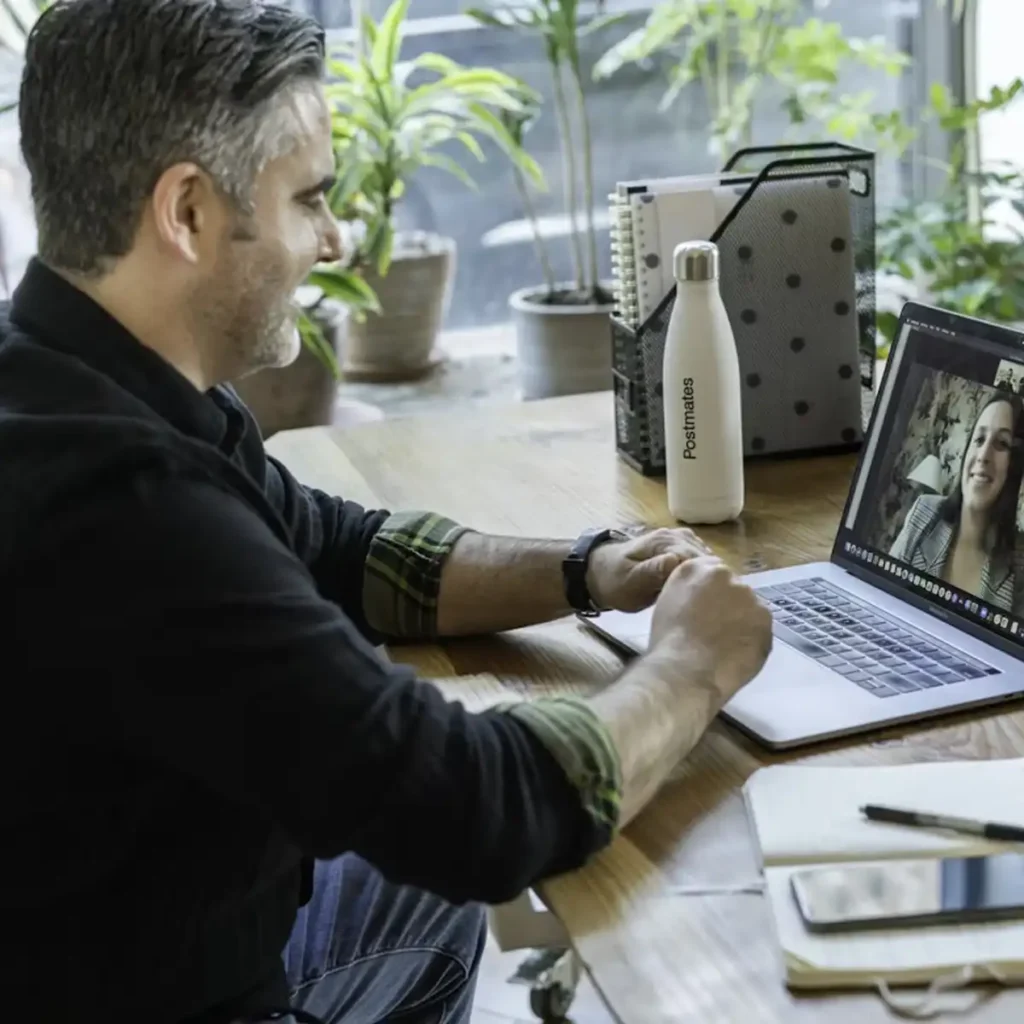
For many London patients, online access mostly removes one more difficulty from an already complicated situation. Someone dealing with pain or poor sleep may already have several appointments, prescriptions and daily routines to manage. Adding a journey across the city is not always helpful.
A virtual consultation does not change the medical assessment itself. Patients still need to discuss their health, previous treatments and any medication they are currently taking. The difference is simply where that conversation happens.
There is also the question of continuity. Long-term conditions rarely disappear after one appointment. Symptoms change, treatments may need reviewing and questions can arise later. Having continued contact with a clinical team therefore matters, particularly for patients trying another option after previous therapies have not produced the results they hoped for.