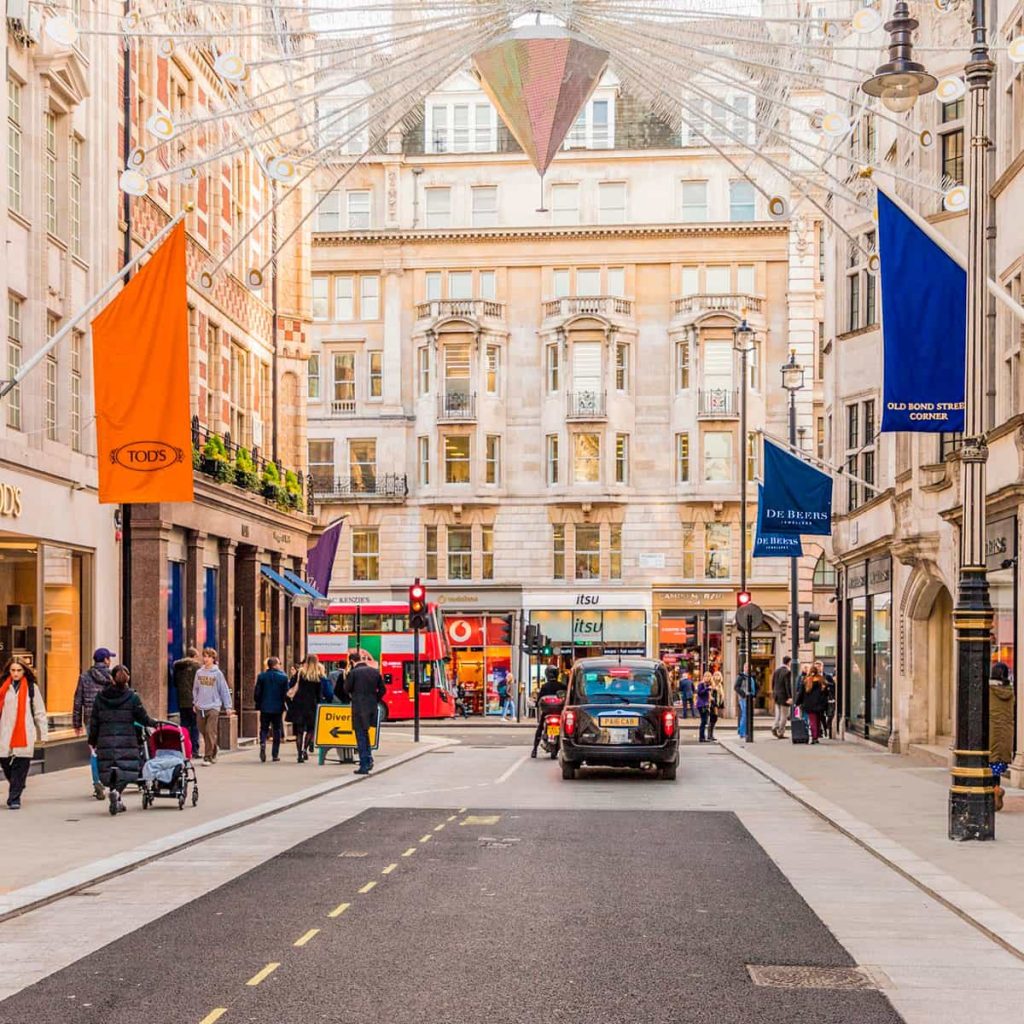
Mayfair private members’ clubs are using discreet AI and data-led service to make VIP treatment in Mayfair feel more intuitive, more private, and less performative. The practical benefit for visitors and members is simple: faster recognition, smoother reservations, and a more tailored table, drink, or room without repeated explaining. In the City of Westminster, where Mayfair sits at the polished edge of the West End, that shift is becoming part of the neighbourhood’s modern luxury grammar.
Step into Berkeley Square on a winter evening, and the scene still reads as timeless. Chauffeurs idle, door staff hold the rhythm, and a doorman’s nod still carries meaning. What has changed, especially through 2025 and into 2026, is what happens behind the scenes. The old model of service relied on memory, paper notes, and a small army of staff who simply knew. The new model blends that human fluency with systems that can recall preferences, anticipate patterns, and protect discretion through careful data handling.
A short walk from Green Park station, the experience often begins before arrival. A reservation, a table request, a dietary note, a preference for quiet, or a request for a particular chair near a power point can be absorbed once and respected consistently. [INTERNAL LINK: Mayfair private members’ clubs for visitors | curated overview of club culture and access in W1]
When You Should Book Mayfair Private Members Clubs For VIP Treatment
The best time to secure Mayfair private members’ clubs access is before peak social hours, with clear preferences shared once and then left to the team to execute quietly. High-demand dining slots and event nights fill early, while daytime meetings and late suppers can deliver calmer service. A well-placed introduction still matters, but so does precise timing.
For visitors, the first question is not technology. The first question is access. Many clubs remain invitation-led, member-hosted, or tightly controlled through guest policies. That structure is part of the value proposition because control reduces noise. It also creates a cleaner canvas for personal service, since staff can focus on fewer people at a higher standard.
Mayfair offers several widely recognised reference points. Annabel’s at 46 Berkeley Square, London W1J 5AT, remains a shorthand for heritage glamour and disciplined door policy. The Arts Club at 40 Dover Street, London W1S 4NP, is equally embedded in the district’s cultural calendar, with a different cadence and a strong art-led identity.
The newest layer of Mayfair club culture is also worth noting. A Financial Times report in late 2025 described the planned Leconfield private members club on Curzon Street as leaning into AI-driven matching for member networking, a clear signal that the category is experimenting with technology as part of the product, not merely as back-office plumbing.
What AI-Powered Personalisation Means Inside A Private Club
AI-powered personalisation in a private club means using secure customer preference systems to support staff decisions in real time, without turning hospitality into a scripted performance. The best implementations are subtle and consent-led, focusing on continuity of service rather than surveillance. The goal is fewer questions, fewer mistakes, and smoother discretion.
In Mayfair, the luxury is rarely the hardware. The luxury is the absence of friction. Personalisation can be as basic as remembering a favourite table, preferred mineral water, or whether a member avoids strong fragrance in a room. It can also extend to pacing, lighting, music levels, and the timing of staff check-ins. The difference between attentive and intrusive is measured in seconds and tone, not in software features.
Clubs and high-end hospitality operators increasingly talk about “edge” processing and data minimisation, not as marketing, but as risk control. The premise is straightforward. Sensitive preference data should not be scattered across third parties. Sensitive identity data should not be hoarded. A club that feels modern and safe often has conservative technology values, even if the service feels futuristic.
In practice, the human team remains the interface. A maître d’ reading a room still matters more than an app notification. The technology is there to reduce cognitive load so staff can deliver better judgment, not to replace it. For many members, that distinction is the point.
How Predictive Dining And Wine Service Are Shaping Mayfair Evenings
Predictive dining in Mayfair is the use of preference history and reservation context to shape menus, wine suggestions, and pacing before a guest sits down. The most useful outcomes are practical: fewer awkward questions at the table, better alignment with dietary needs, and a wine list that feels intelligently edited to the moment.
The most compelling version of this does not require biometric claims or intrusive tracking. A member who consistently orders mature Bordeaux, prefers lighter sauces, and stays for 90 minutes can be served accordingly. A guest arriving after the theatre may want faster pacing and smaller plates. A working lunch on Mount Street may need privacy and speed. The skill is combining context with restraint.


Some operators are also exploring broader “guest journey” AI in London hospitality, including tools that help staff respond quickly to preference cues and operational pinch points. A December 2025 report on The Langham’s AI toolkit, while hotel-led rather than club-led, reflects the wider premium service sector’s direction of travel. The lesson for Mayfair clubs is not imitation. The lesson is that high-touch service is increasingly supported by systems that help teams stay consistent across shifts.
In a district where wine service can be as much about timing and privacy as it is about label, discretion is a design principle. The smartest clubs treat the cellar as a conversation, not a performance. A quiet suggestion often lands better than a grand reveal.
Fun fact: Burlington Arcade opened in 1819, and whistling is still banned, a rule linked to its early “Beadles” policing the covered promenade.
Where Luxury Shopping In Mayfair Meets The Intelligent Wardrobe
Luxury shopping meets the “intelligent wardrobe” when a client’s preferences, sizes, and style codes are captured once and then used to curate fittings and product edits across seasons. In Mayfair, the most credible versions of this happen through trusted clienteling and appointments, not through public-facing gimmicks. The result is fewer wasted visits and a more coherent wardrobe.
Mayfair’s shopping geography matters. Bond Street remains the high-visibility axis for flagship fashion and jewellery. Savile Row remains the craft corridor for tailoring, with fittings that feel like rituals rather than transactions. Burlington Arcade, just off Piccadilly, has been repositioning strongly towards watch and jewellery collectors, with the Financial Times reporting a recent tilt back to those roots after redevelopment.
Within that landscape, AI tends to appear as a quiet layer behind the personal shopper. A returning client may find that preferred silhouettes are pre-selected, alterations are anticipated, and fabric choices are aligned with travel schedules and climate needs. The value is not novelty. The value is certainty.
For visitors, there is a simple tactic that raises the experience. Provide a clean set of constraints once: calendar, dress codes, comfort preferences, and practical needs like luggage, travel fabrics, or shoe break-in time. A good team will handle the rest. That is especially true when a fitting is steps from the Royal Academy or timed around a lunch near Berkeley Square.
Why Privacy And Data Minimisation Define The New White Glove
The new “white glove” standard in Mayfair pairs deep personal service with strict privacy discipline, because discretion is the district’s real currency. The best operators keep personalisation consent-led, limit unnecessary data collection, and ensure that staff judgement remains the final decision point. A member should feel recognised, not monitored.
In practice, privacy-first personalisation looks unglamorous. It involves access controls, audit trails, and clear retention limits. It also involves a culture where staff do not gossip, do not overshare, and do not treat personal data as social capital. Technology can support that culture, but it cannot replace it.
The most credible luxury groups and hospitality operators increasingly frame AI use through ethics, risk, and governance language. That approach aligns with what high-net-worth members actually want. A member might accept a preference profile that improves service. A member is far less likely to accept systems that feel like behavioural tracking.
For Mayfair visitors, the practical takeaway is to watch for signals. A club that is careful with privacy will usually communicate boundaries clearly. It will also offer easy opt-outs. Discretion should be a feature, not an afterthought.
That principle of collecting less has spread further than hospitality. Across consumer services the strongest privacy propositions are now the ones that ask for the least, which is why a no verification casino draws attention for the same reason a club holding a single preference profile does. The distinction that matters is between minimising data and minimising accountability. A Mayfair club can hold almost nothing about you and still be answerable for your evening. Online the two are often conflated, and the guest is left to work out which is actually on offer.
How To Tell If A Club Is Truly Personalised, Not Just Digital
True hyper-personalisation feels calm, consistent, and human, even when systems are doing heavy lifting behind the scenes. The clearest sign is continuity: preferences are remembered accurately without repeated prompting, and the service adapts to context without becoming presumptive. A glossy app alone is not evidence of superior hospitality.
Start with the basics. Does the club handle dietary needs without fuss? Does the team pace a meal to your schedule? Does staff attention rise and fall naturally, rather than appearing in rigid intervals? Those are service questions, not software questions.
Then look at the experience of entry and departure. A seamless arrival matters in Mayfair because the street-level theatre is part of the ritual. Annabel’s at 46 Berkeley Square, London W1J 5AT and The Arts Club at 40 Dover Street, London W1S 4NP, sit within a few minutes of some of the district’s most scrutinised pavements, which is why smooth orchestration is so prized.
Finally, look at the club’s ability to handle your quiet preferences. Many members are not looking for spectacle. Many are looking for consistency, privacy, and a sense that the room has been set correctly without discussion. That is where AI can help. That is also where judgment matters most.
Conclusion
Mayfair has always sold access, taste, and the kind of confidence that does not need announcing. In 2026, Mayfair private members’ clubs are increasingly pairing that heritage with AI-enabled systems that help staff deliver a more consistent, more discreet form of VIP treatment in Mayfair. The smartest approach is not to chase novelty. The smartest approach is to plan timings, share preferences once, and choose rooms and streets that fit your pace, from Berkeley Square to Mount Street and the quieter corners near Curzon Street. The result should feel like a well-cut jacket. The structure is there, but the seams stay hidden.