
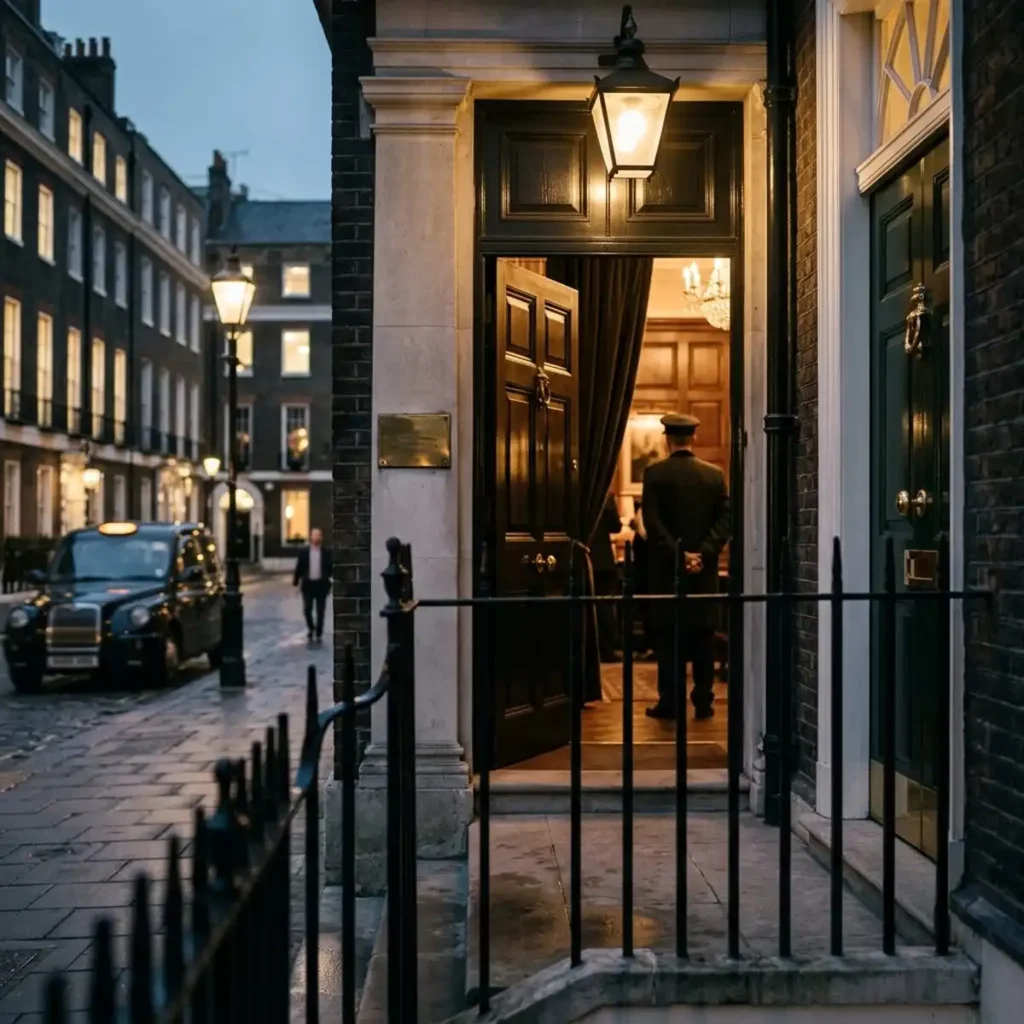
Picture a quiet Thursday in Mayfair. The evening light softens across the Georgian façades of Berkeley Square, a doorman nods to a familiar face, and somewhere beyond a discreet brass plaque a piano plays. Someone slips off a coat, orders a martini and settles into the low hum of conversation that defines the district after dark. This corner of London has perfected the art of the elegant evening — a blend of fine dining, hushed drawing rooms and the gentle thrill of a card table waiting in a room beyond. It is a tradition that has quietly reinvented itself over the decades, and its glamour now reaches well beyond the front door.
That reach increasingly extends into the digital sphere, where enthusiasts across the UK enjoy the same excitement from an armchair rather than a leather banquette. For those curious about how the experience translates, guides to the https://www.gamereactor.eu/gambling/online-casinos/ rank and review the leading UK sites for the year ahead, comparing welcome offers, the breadth of slots and table games, live-dealer studios, banking options and the safety standards that keep everything above board. Such reviews help a discerning reader understand which names carry the same polish as a Mayfair club room, weighing the quality of software studios against the ease of deposits and withdrawals. For anyone who values the refinement of the district’s gaming rooms but keeps unpredictable hours, that kind of considered comparison is a natural starting point.
The Enduring Appeal of the Members’ Club
Mayfair’s members’ clubs occupy a peculiar and enviable place in London life. Behind their unmarked doors lie libraries, dining rooms and salons where the pace slows, and privacy reigns. Institutions such as those clustered around St James’s and Berkeley Square have long offered a sanctuary from the bustle of Bond Street, a place to conduct business, entertain friends or simply disappear into a wing-back chair with a glass of something aged in oak.
The character of these establishments has shifted over generations. Once bastions of a narrow social set, many have opened their doors far wider. The story of the clubs that excluded women traces how firmly some of these institutions once guarded their membership, and how much has changed since. Today’s clubs court a more varied crowd, drawn as much by the calibre of the kitchen and the cocktail list as by any sense of exclusivity.
Where Elegance Meets the Card Table
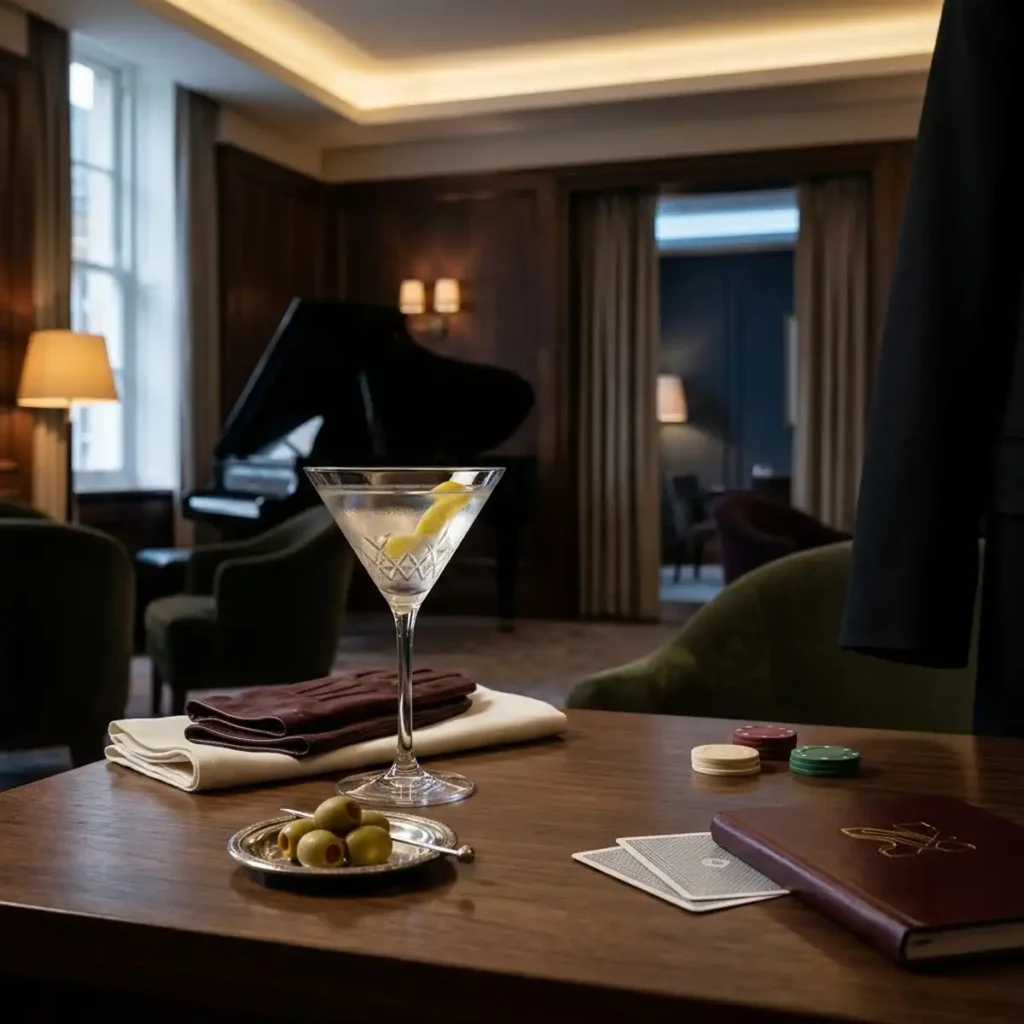
For all their quiet gentility, Mayfair’s clubs and casinos share a common thread: the promise of a memorable evening with an edge of anticipation. The district’s casinos are among the most storied in the world, their roulette wheels and baccarat tables set within surroundings that would not look out of place in a stately home. Crystal chandeliers, deep carpets and impeccable service turn a simple game into an occasion.
The appeal has always been theatrical. There is the ceremony of the dealer’s hands, the soft click of chips, the collective hush before a card turns. Guests dress for the part, and the evening becomes as much about atmosphere as outcome. This is entertainment in the fullest sense — a night out constructed with the same care a Mayfair tailor brings to a bespoke suit or a Michelin kitchen brings to a tasting menu.
From Panelled Rooms to the Digital Age
The heritage behind these venues runs deep. The History of Gentlemen’s Clubs shows how coffee houses of the seventeenth and eighteenth centuries gradually evolved into the private institutions that shaped London society. Those early gathering places were, in their way, the original social networks — spaces where news travelled, friendships formed and reputations were made over conversation and cards.
What is striking is how naturally that tradition has adapted to modern habits. The same appetite for refined entertainment now finds an outlet on screens as often as in salons. Live-dealer studios, streamed in high definition, recreate the theatre of the Mayfair table for those who cannot always make the trip into town. A croupier greets players by name, the wheel spins in real time, and the sense of occasion survives the journey through a fibre-optic cable remarkably well.
A Tradition That Keeps Reinventing Itself
The transition from panelled room to digital screen says something about the district’s genius for reinvention. Mayfair has never been a museum piece. Its jewellers embrace new design, its galleries champion emerging artists, and its restaurants blend the classical with the contemporary. The evening entertainment scene follows the same instinct, honouring its heritage while quietly moving with the times.
For a fuller picture of how these institutions came to define a certain idea of London leisure, this account of London’s clubs charts their rise, their rivalries and their lasting influence on the city’s social fabric. Reading it, one appreciates how much of today’s members’-club culture — the discretion, the ritual, the sense of belonging — was set in place centuries ago.
The Modern Mayfair Evening
The pleasure of a Mayfair night has always rested on a simple idea: that leisure deserves to be done beautifully. Whether the evening unfolds across a dining room, a gaming table or a screen at home, the ingredients remain the same — elegance, anticipation and the small thrill of not quite knowing how things will turn out. That is the district’s enduring gift, and it shows no sign of fading. From the softly lit salons of Berkeley Square to the live studios beamed into living rooms across the country, the glamour of the Mayfair evening simply finds new ways to shine.