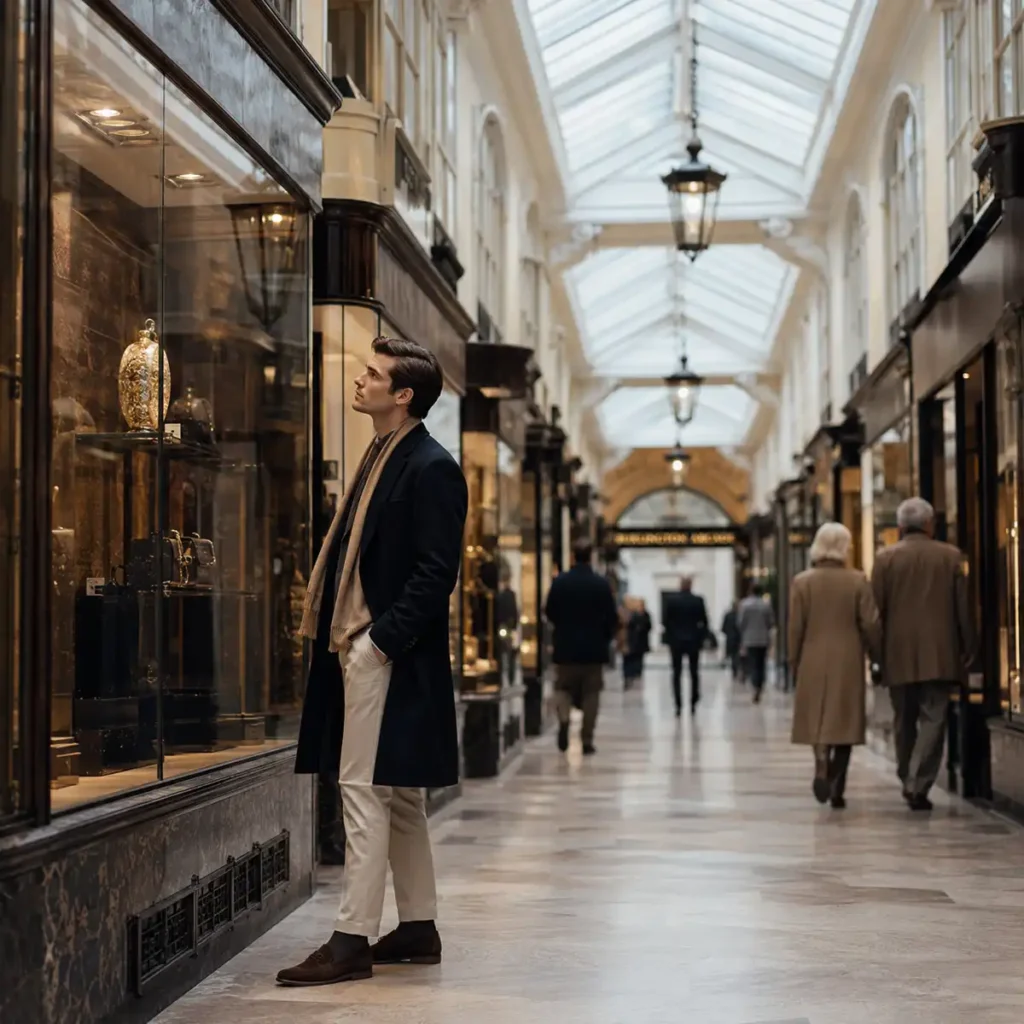
Mayfair, a super fancy part of London, is known for being posh and exclusive. But hiding behind those beautiful buildings and gardens is a long, crazy history of gambling that goes back centuries. From the wild gambling dens of the 1700s to the classy casinos we have now, Mayfair’s always been where the action is for London’s gambling scene.
How London’s Gambling Got Started
It all started in the early 1700s when rich people started moving into Mayfair. These big shots built fancy houses and brought their love of gambling with them, which really shaped the area.
The first gambling spots popped up in the 1720s, operating secretly in homes and private clubs. These weren’t like the rough gambling joints you’d find elsewhere in London. Instead, they were more refined, where rich guys could bet big money and still look good doing it.
The Rise of the Big Gambling Houses
White’s Club: The Original Gambling Spot
White’s Club, which started way back in 1693 but moved to its current spot in 1778, became famous for its crazy high-stakes gambling. Members would bet on anything and everything, from card games to the silliest things, like which raindrop would reach the bottom of a window first. The club’s old betting book, which they still have, lists bets worth hundreds of thousands of pounds today.
Almack’s Assembly Rooms
Started in 1765 by William Almack, these rooms on King Street were the place to be for high society. They were mostly known for fancy balls and parties, but Almack’s also hosted some serious gambling sessions. The Lady Patronesses, who ran the place, had a ton of social power, and you needed their approval to get into the parties and the gambling scene.
The Crockford’s Time: The Best Gambling Era
You can’t talk about Mayfair gambling without talking about William Crockford, the son of a fish seller who became the most successful gambling house owner ever. In 1827, Crockford opened his awesome club at 50 St. James’s Street, which is considered the best gambling spot of the 1800s.
Crockford’s was special because it was so luxurious and had a smart business plan. The inside was beautiful, designed by Benjamin Dean Wyatt, with crystal chandeliers, marble columns, and artwork that was as good as what you’d see in royal palaces. The food was made by Ude, a chef who used to cook for Napoleon.
But what really made Crockford’s stand out was how it dealt with gambling. He came up with the idea of the house edge, which meant that even though players might win sometimes, the house would always make money in the end. This was a game-changer and is still used today.
The club’s members were basically everyone important in British high society. The Duke of Wellington, Lord Byron, and tons of other nobles lost fortunes at Crockford’s tables. It’s said that Crockford made over £2 million from his rich customers in just a few years.

The Downfall and Rules
Things changed a lot in the mid-1800s. The Gaming Act of 1845 put strict rules on gambling spots, which shut down many of the smaller ones. People also started to disapprove of gambling, thanks to moral reformers and stories of nobles ruining themselves.
Crockford’s closed in 1844, soon after its owner died. The building was sold, and while there was still gambling in Mayfair, it never reached the same level as in Crockford’s time. Instead of just gambling, the focus shifted to more acceptable stuff within exclusive clubs.
The Comeback
In the 1900s, Mayfair’s gambling scene slowly changed. The Betting and Gaming Act of 1960 made casino gambling legal in the UK, which led to real casinos opening in the area. These new places combined the old-fashioned elegance of Mayfair with new gaming tech and global standards.
Today, Mayfair still has some of London’s most exclusive gambling spots. The Ritz Club, in the basement of the hotel, keeps the tradition of luxury gambling alive. The Playboy Club was also a big part of the scene for years, though it’s now closed.
The Online Change
The 2000s have changed gambling even more. While Mayfair’s fancy casinos are still popular, online gaming has made gambling available to everyone. Platforms like https://freespinz.com/ offer players a wide range of games and bonuses, giving a modern twist to the age-old thrill of gambling.
This change is both a continuation of and a departure from Mayfair’s gambling history. While the exclusivity of the old-school gambling houses is still unique, online platforms have made gambling accessible to more people than ever.

What It All Means
Mayfair’s gambling history is more than just about the games. These places shaped London’s social scene, influenced fashion and culture, and created stories that are still told today. These were places where political deals were made, friendships were formed, and fortunes were won and lost.
Books and movies have kept this era alive. Authors like Ian Fleming used Mayfair’s gambling scene as inspiration, and tons of movies and TV shows have shown the glamour and danger of high-stakes gaming in fancy settings.
To understand how gambling is monitored today, the UK Gambling Commission plays a key role in regulating both physical and online gambling in the country, ensuring fair play and consumer protection.
In Conclusion
From the exclusive clubs of the 1700s to today’s online casinos, Mayfair’s gambling reflects the changes in British society. What started as a rich person’s hobby has become a global thing, but Mayfair’s name is still linked to high-end gaming.
The beautiful buildings that once echoed with dice and cards are now some of the most expensive properties in the world. But the spirit of risk-taking that defined Mayfair’s best gambling years still affects the area.
The gambling world may be different now than it was in the time of Crockford’s and White’s, but people will always like games of chance. In Mayfair, this is still happening in places that respect both the area’s history and its future.