
Stand on Brook Street in Mayfair after closing time and you still feel the electricity. Light spills from the sash windows of No. 39, catching the gold leaf of Claridge’s sign across the road and painting passers-by in a warm glow. Once inside, the scent of cedar from hidden cabinetry mingles with the citrus notes of a niche Cologne as an Art Deco jazz record crackles in the background. This is Browns Brook Street, the “forever home” of a boutique that has shaped British style for half a century. Everything here whispers of fresh possibility, yet each floorboard remembers the journeys of Alexander McQueen, John Galliano and the countless clients who discovered them first in Browns’ earlier warren on South Molton Street. With competition humming from Bond Street flagships and digital disruptors alike, some wondered whether the move would dull the brand’s renegade spirit. Instead, it set the stage for a new kind of luxury, one that merges intuition with invisible technology and keeps Mayfair luxury shopping thrillingly human.
Fun Fact: Before Browns moved in, 39 Brook Street was home to legendary decorators Colefax and Fowler, whose hand-painted wallpapers still peek through modern installations.
A boutique built on instinct
Joan and Sidney Burstein opened Browns in 1970, not through grand strategy but sheer necessity. Their previous high-street chain, Neatawear, had buckled under bank pressure, leaving the couple almost penniless. On a quiet March morning, Mrs B stepped into 27 South Molton Street with a single rail of stock and a vow never to borrow beyond comfort again. Rejecting the volume model that had caused their fall, she chose intimacy. Every purchase was based on gut feeling. If a dress made her heart skip, it made the cut. If it didn’t, no spreadsheet could change her mind. This granular curation turned shopping into conversation: regulars sought her blessing before weddings, film premières and first dates, trusting that she knew the moment’s mood before any magazine did.
Word spread quickly. By the late ’70s, Browns had annexed five adjoining Georgian houses, creating a labyrinth where Victorian fireplaces framed rayon punk jackets and French lace gowns. Londoners, weary of identikit department stores, flocked to the mismatched rooms that felt more salon than shop. They left carrying brown paper bags tied with black ribbon and a sense of having joined an insider circle. Tourists copied them, and soon the best boutiques in London lists began to read: “Harrods, Harvey Nichols, Browns”.
From survival to style authority
London in the early ’80s was raw: miners’ strikes, Brixton unrest, neon club culture blooming under dim streetlamps. Browns channelled that energy without ever yelling. Mrs B placed a Donna Karan jersey next to a Comme des Garçons deconstruction, letting the contrast spark conversation. She flew to New York to woo Calvin Klein in the corner of Studio 54 and sweet-talked Jil Sander over coffee in Hamburg. Each meeting ended with an open ticket to South Molton Street and a promise that their collections would sit beside the most daring graduates of Central Saint Martins. This borderless mix gave Browns an appeal that outstripped its square footage. Editors arriving for London Fashion Week made it their first stop, sure they would spot the silhouette that would dominate Paris a season later.
While many retailers waited for designers to mature, Browns preferred the moment an idea left the sketchbook. In 1984, Mrs B bought John Galliano’s entire graduate collection straight off the Saint Martins runway. She cleared the front window, dressed a mannequin in his revolution-era taffeta and watched Diana Ross walk through the door the next day to buy it. Ten years later, the pattern repeated with Alexander McQueen. His “Highland Rape” jackets, slashed and tailored like savage poetry, horrified some buyers; Browns requested an exclusive trunk show. Shoppers emerged breathless, aware they had witnessed history.
Industry insiders coined the phrase “the Browns effect”: a single order from South Molton Street could ratify a designer’s talent more powerfully than a handful of glossy editorials. The boutique, in turn, fed on the creative friction between risk and reward. Stock might sell slowly at first, but the cultural capital it generated always translated into loyalty, press and, eventually, profit.
Spotting genius before the crowds
How did Mrs B’s team keep beating trend forecasters armed with reams of data? Part of the answer lay in relentless presence. Buyers attended obscure academy shows, underground club nights, graduate exhibitions in church halls, even warehouse raves. They listened, asked questions, sketched in margins and trusted their immediate emotional response. If a garment triggered goosebumps, they ordered it.
Another factor was the Browns’ blend of high and low. A customer might try on a Giorgio Armani suit in one room, then stroll next door to find a fresh-pressed T-shirt by an unknown art student. The juxtaposition flattened hierarchies: Armani devotees felt adventurous, while newcomers felt validated by proximity to established icons. This conversation-in-fabric helped British talent break into export markets and gave global labels a youthful accent.
Critically, Browns never judged success purely by units sold. If a new designer’s line struggled on the shop floor, staff gathered feedback, shared styling tips and rearranged displays rather than dropping the brand at the first markdown. Designers noticed. They reciprocated with exclusive colourways, early deliveries and collaborative installations that only Browns customers could access. This quid-pro-quo kept South Molton Street buzzing long after stockists elsewhere settled into safe predictability.
Digital crossroads and a new partner
By the early 2010s, the retail map had tilted. Smartphone-armed shoppers compared prices in real time, and Instagram turned every dressing room into a runway. Recognising the need for reinvention once again, Browns sold a majority stake to e-commerce powerhouse Farfetch in 2015. Critics fretted that algorithmic logic would choke creativity. Farfetch countered with a plan: use Browns as a live laboratory where software amplified service rather than replaced it.
Omnichannel pilots rolled out quickly. Wish-lists built at home pinged personal stylists on shop arrival. Mirrors suggested styling options and reserved sizes without staff leaving the changing suite. Augmented-reality watch try-ons reduced security risks while adding futuristic flair. Holli Rogers, ex-Net-a-Porter, steered the strategy, insisting technology “should whisper, not shout”. Still, some veterans felt the edit had broadened too far, and purists missed the old-school ruthlessness of Mrs B. The tension between scale and singularity simmered until 2023, when retail veteran Elizabeth von der Goltz arrived to sharpen the focus once more on daring curation.
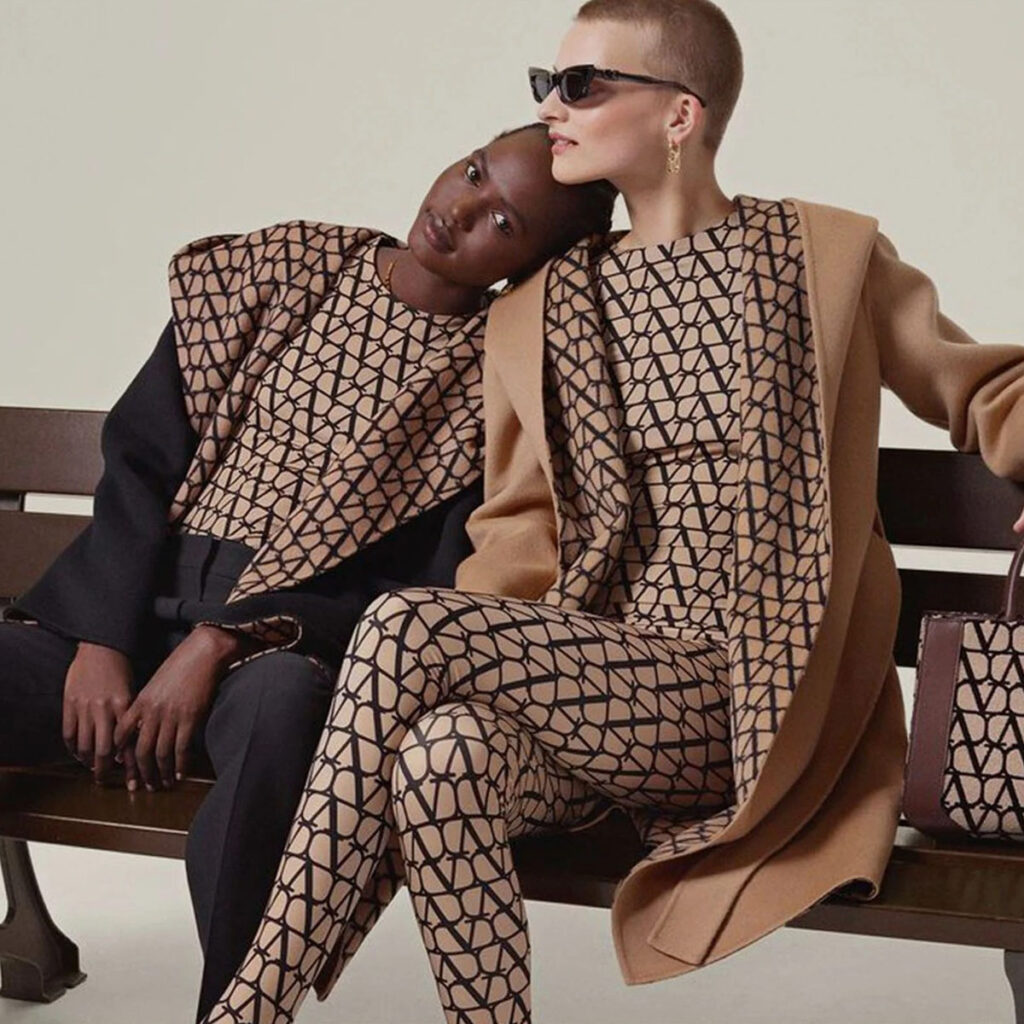
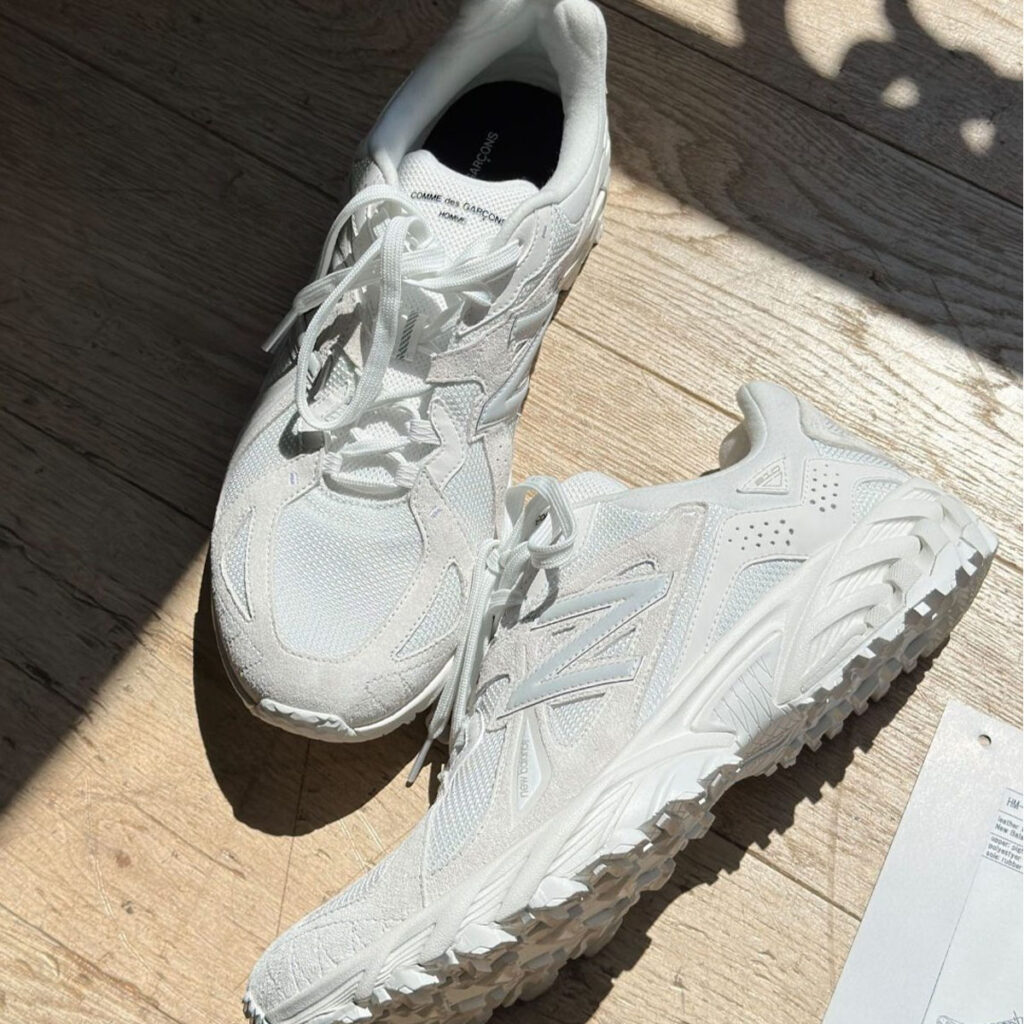
A House Reborn on Brook Street
When Browns unlocked the door to 39 Brook Street in spring 2021, locals recognised the opening as more than a shop launch. The Grade II* townhouse, built in 1720 for a wool merchant and later transformed by the decorating duo Colefax and Fowler, now beats as the heart of Mayfair boutique shopping. Dimorestudio, the Milan practice entrusted with the fit-out, chose an approach that feels almost cinematic. Georgian cornices remain exactly where they sat three centuries ago. Yet, a flash of chrome from a Donald Judd–inspired rail or a sheet of smoked mirror throws time off balance. The result is a dialogue rather than a clash, proof that heritage and modernity need not scrap for space.
Brook Street’s floorplan reads like a domestic maze, encouraging visitors to wander rather than march. Velvet banquettes line corridors scented with cedar, while skylights pull daylight onto parquet floors that once creaked beneath interior-design royalty. Technology is present yet polite: RFID tags let garments spring to life on interactive mirrors, and RFID-linked lighting instantly warms when a piece is removed from the rail. Luxury fashion shoppers in London can seamlessly glide from antique fireplaces to digital lookbooks without noticing the handover.
Rooms That Tell Stories
The building is arranged as a sequence of set pieces, each designed to stretch the senses.
- Ground floor – The Focus
- Ever-changing capsules, gender-fluid sneaker walls and a fine jewellery salon backed by virtual try-on screens. The mood shifts weekly, one day peak streetwear, the next haute couture micro-drop.
- First floor – Mixed Collections
- Womenswear and menswear hang together alphabet-free, encouraging serendipitous discovery. A crisp Yohji Yamamoto jacket might sit next to a silk piece from rising London talent Chet Lo, inviting conversations that span decades of design language.
- Courtyard – Native
- Chef Ivan Tisdall-Downes grows herbs in wall-mounted planters and plates zero-waste menus under a canopy of London plane trees. The hum of Brook Street traffic fades into birdsong piped through discreet speakers.
- Top floor – The Club
- Three personal shopping suites named Jimi, Joan and Nancy honour previous occupants Jimi Hendrix, Joan Burstein and Nancy Lancaster. A hidden bar called The Parlour pours small-batch whisky. At the same time, stylists pull archival Alaïa or next-season Bottega Veneta on demand.
Fun Fact: Jimi Hendrix lived next door at 23 Brook Street in 1968. Browns named its largest suite after him, and the playlist in that room still opens with “Little Wing”.
Conscious Luxury for a New Generation
In 2019, Browns accepted that forward thinking must include the planet. The Conscious edit now occupies prominent rails, its swing tags stamped with ratings from Good On You or proofs of regenerative sourcing. Staff guide clients through the nuances of organic cotton, deadstock up-cycling and closed-loop dyeing processes, swapping the old hush-hush mystique of couture for open conversation about supply chains.
Operational shifts back the rhetoric. Couriers zip across the West End on electric bikes, eco-packaging made from recycled pulp replaces shiny plastic, and partnerships with watchdogs such as The Bear Scouts police every collaboration. The message is simple: experimental fashion need not cost the earth. For shoppers entertaining doubts, a pick-up station near reception displays garments disassembled to reveal seam-allowance statistics, fibre origins and projected lifespan – transparency made tangible. Bold signage reminds visitors that Browns aims to lead sustainable luxury in London rather than chase it.
Collaborations That Keep the Conversation Moving
Turning 50 could have nudged Browns into nostalgia. Instead, the anniversary triggered a sprint of exclusives that reaffirmed its ear for culture. Capsules with Balmain, Celine and Off-White landed first, many stitched with commemorative “Browns 50” cloth badges. Then came a 22-piece unisex drop from AMIRI, created after designer Mike Amiri and producer DJ Premier jammed in a Los Angeles studio. Browns converted a spare room into a record library, pressing limited vinyl of the session and gifting copies to the first 100 buyers.
Next, Crenshaw Skate Club rolled out graphic decks and heavyweight hoodies in a collab that channelled South Central grit into Mayfair polish. A penny loafer with Blackstock & Weber followed, its leather hand-burnished to echo the warm tones of Brook Street panelling. These projects prove that Browns still identifies creative tension before mainstream hunger strikes, then offers a stage on which ideas can earn commercial oxygen. Each collaboration supports the parent brand’s content machine too – interviews, playlists, short documentaries – ensuring Browns feels bigger than its square footage.
An Icon Facing a Shifting Horizon
Behind the walnut panels, corporate uncertainty lingers. Farfetch’s 2015 acquisition armed Browns with serious tech muscle, yet the platform’s 2023 rescue by Korean giant Coupang carried no explicit pledge regarding the boutique. Rumours of a future sale to Frasers Group buzz through industry newsletters. Insiders whisper that Browns’ buyers now clear every budget line with accountants based in Seoul rather than London.
Even so, seasoned clients shrug. They recall previous upheavals – the Neatawear collapse, recessions, recessions within recessions – and note that Mrs B’s DNA has survived worse. Elizabeth von der Goltz, lured from MatchesFashion to steady the ship, restored buying trips to graduate shows and trimmed duplication on the shop floor. Staff talk once again about “the Browns moment”, that frisson when a radical silhouette arrives months before the fashion week crowd catches on. Tech pilots continue, but the edit feels sharper, riskier, more personal.
If a new owner emerges, they will inherit a shop whose value lies as much in intangible authority as in inventory. Browns is not simply a store with four centuries of bricks; it is a scene, a school, a signal that someone somewhere is taking a punt on creativity. Any future boss meddles with that charisma at their peril.
Conclusion: The Spirit Continues
Fifty-five years after Joan Burstein propped open a single door on South Molton Street, Browns still rewards those who seek surprise. Brook Street’s restored plaster and secret garden prove that luxury can evolve without discarding its memories. At the same time, connected mirrors and electric-bike couriers show a readiness to meet tomorrow’s challenges head-on.
For visitors, the takeaway is clear. Step into the townhouse with an open mind, accept the invitation to wander and allow the staff to steer you toward something you never thought you would wear. Pause for lunch under the courtyard vines, return upstairs for a fitting, then leave with a parcel tied in dark ribbon and the hush of parquet beneath your shoes. That experience – equal parts heritage, experimentation and London charm – is what Browns sells better than anyone.
Browns has always watched the small details – a perfectly judged buy, a handshake with an unknown designer, a tweak to reduce carbon – and the grand narrative has followed. Long may that philosophy echo through Brook Street.


