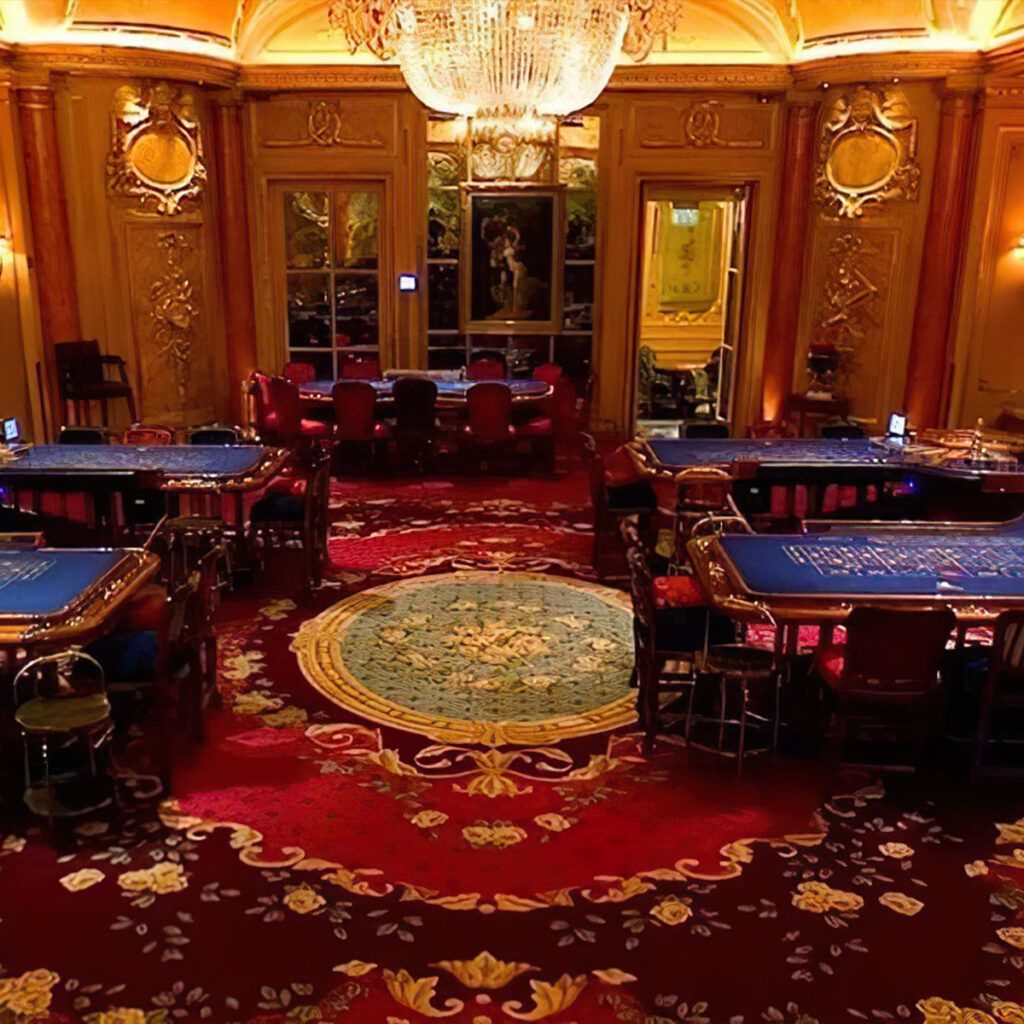
Mayfair’s gaming rooms offer more than the familiar pull of baccarat or blackjack. Among the well-known tables are games with deep roots in other parts of the world, carried across continents through trade and migration. Sic Bo and Pai Gow are two examples, each with distinctive rules and player interaction that stand apart from Western staples. Their place in Mayfair reflects the venue’s global audience, where visitors from Asia and other regions bring traditions that sit alongside modern play. This mix sets the stage for a closer look at how each game works and why it matters.
The Cultural Origins of Sic Bo
Sic Bo traces its history to ancient China, where dice-based games were part of festival gatherings and family celebrations. The name translates to “precious dice,” a reminder of its place in traditional play. Players gathered in lively settings and watched the roll of the dice with the same anticipation that still drives the game today.
Over time, Sic Bo moved from a local tradition to a global fixture. Traders and immigrants carried it abroad, and casinos adapted the rules for new audiences while preserving its core. While Sic Bo retains its strong cultural identity, today’s internationally minded players also explore varied formats through resources like PokerScout for UK players where poker fans can enjoy luxurious cash games, large tournaments, and generous welcome bonuses. That same audience brings those tastes into Mayfair’s rooms, so Sic Bo’s heritage sits alongside modern choice and helps Mayfair attract a broader mix of players.
How Sic Bo Is Played in Today’s Mayfair Rooms
A Sic Bo table is laid out for three dice, a dealer, and a broad betting surface marked with multiple wager types. The equipment is simple, yet it supports a wide variety of possible bets.
The most common wagers are “small” (a total of 4 to 10) and “big” (a total of 11 to 17), both paying even money. Riskier bets include triples, which pay out at much higher odds but are far less likely to occur. This balance of high- and low-risk choices gives players room to shape their approach to each roll.
International players, especially those from Asia, find the layout and betting options of Sic Bo similar to games they already know; as research on why the familiar feels good explains, this recognition reduces uncertainty, builds comfort, and strengthens confidence in each decision made at the table. For others, the unfamiliar appearance becomes a test of quick thinking, where each roll challenges them to interpret outcomes, adjust bets, and respond with the same intensity the game demands.
Pai Gow’s Journey from Dominoes to Poker Chips
Centuries ago, Pai Gow began as a Chinese domino game in which players created ranked pairs and relied on memory to track the hierarchy of hands. Merchants and travellers carried it between ports, and the rules remained intact even when the surroundings differed.
However, in its modern adaptation as Pai Gow Poker, the tiles gave way to a 52-card deck plus a joker, yet the goal of forming two separate hands stayed the same. Using standard poker rankings allowed new players to learn quickly without studying an unfamiliar tile set, and it enabled dealers to manage the game with precision. This transition from tiles to cards reduced complexity, accelerated play, and secured Pai Gow’s position in Mayfair’s roster of high-profile games.


The Strategic Side of Pai Gow Poker
The aim in Pai Gow Poker is to create two poker hands, one high, one low, from seven cards, with both needing to beat the dealer’s to win.
Choosing how to split those cards requires weighing the strength of each potential hand, the combinations still possible in the deck, and the trade-offs between risk and reward. This means that effective Pai Gow Poker strategy often means deciding how to split two hands without knowing your opponent’s cards, a process tied to the psychology of uncertainty, where the ability to act decisively despite incomplete information can determine the outcome.
The same seven cards can be arranged in several legitimate ways, and the right choice often depends on the flow of play and the dealer’s tendencies. Players who adjust their approach to match these conditions keep both the advantage in the game and the game from becoming repetitive and dull.
Why These Games Attract Mayfair’s International Crowd
Sic Bo and Pai Gow bring something different to London’s elite gaming salons. They offer rules and rhythms that resonate with players from regions where these games have been part of social life for generations. For visitors from China, Southeast Asia, and other parts of the world, sitting down at these tables is less about learning something new and more about stepping into a familiar setting, even thousands of miles from home.
Yet, cultural recognition is not the game’s single attraction. In these rooms, dealers are trained to manage each game with a level of formality and precision that reflects both its heritage and the standards expected in high-end venues. Language fluency, subtle etiquette, and an understanding of the small courtesies that shape play are all part of the experience. That combination of tradition and refinement means a guest can expect both authenticity and comfort, whether they are placing a first bet or settling in for hours of measured play.
For Mayfair, hosting these games is not a token nod to diversity but a statement that its gaming floors are built for a global audience. It shows that the venue understands the value of offering more than the Western canon of baccarat, blackjack, and roulette – creating a setting where cultural history is not just preserved but actively lived through the games themselves.
Conclusion
In Mayfair, Sic Bo and Pai Gow serve a function deeper than entertainment; they are proof that a gaming room can act as a meeting point between cultures that rarely share the same space. By keeping the integrity of these traditions while presenting them with precision and respect, this corner of London’s luxury gaming world turns its tables into places where skill, chance, and heritage intersect – and where a hand of cards or a roll of dice can bridge worlds in a way few experiences can match.