
Mayfair has always operated on a different register from the rest of London’s retail space. Its streets don’t shout. The boutiques don’t advertise in the conventional sense. What draws high-net-worth clients back, season after season, is something more subtle, a culture of quiet exclusivity that treats privacy not as a perk, but as a baseline expectation.
This culture didn’t emerge by accident. It was built over decades by tailors, jewellers, and luxury houses who understood that their most valuable clients wanted to spend without scrutiny. In Mayfair, discretion is the product as much as the cashmere or the cufflinks.
Why Mayfair Retail Runs on Quiet Exclusivity
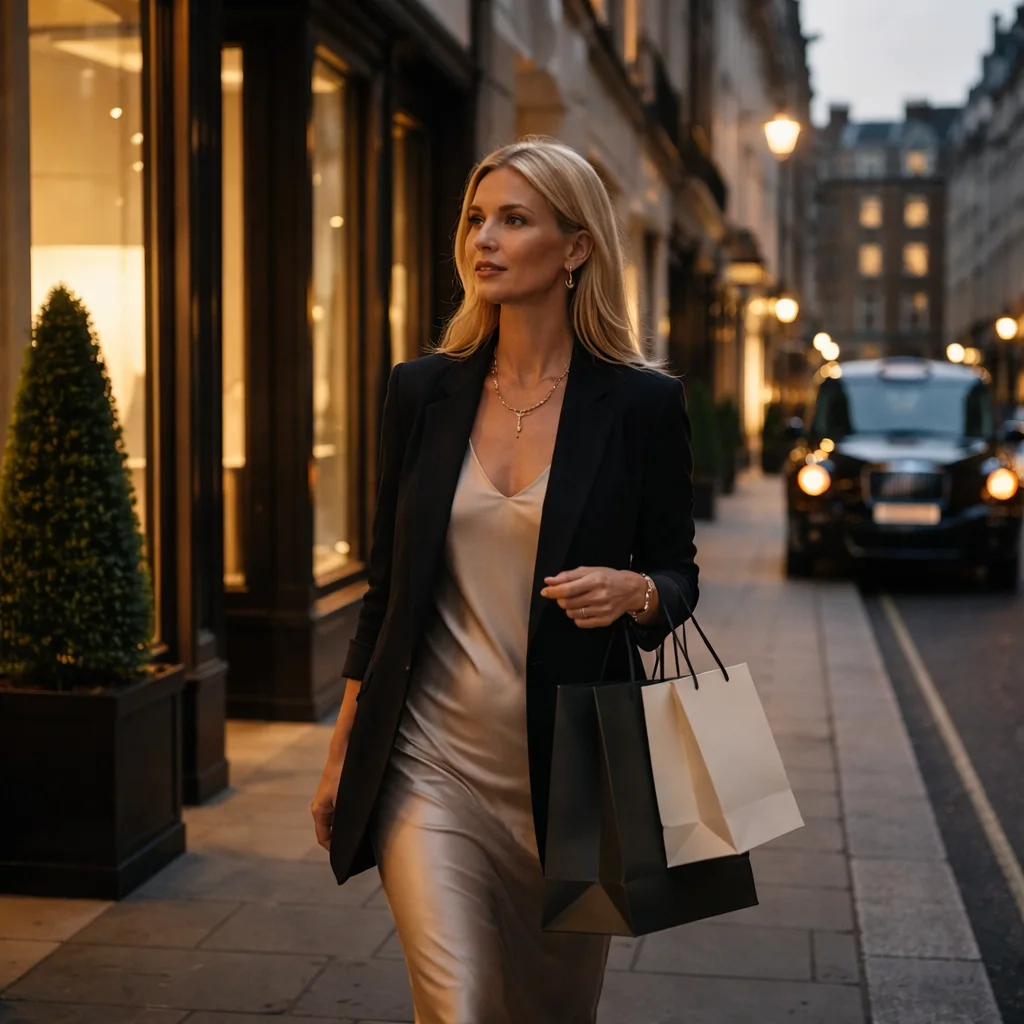
Bond Street and Mount Street remain London’s most concentrated corridors of high-end retail, anchored by flagship boutiques from the world’s most recognised luxury houses.
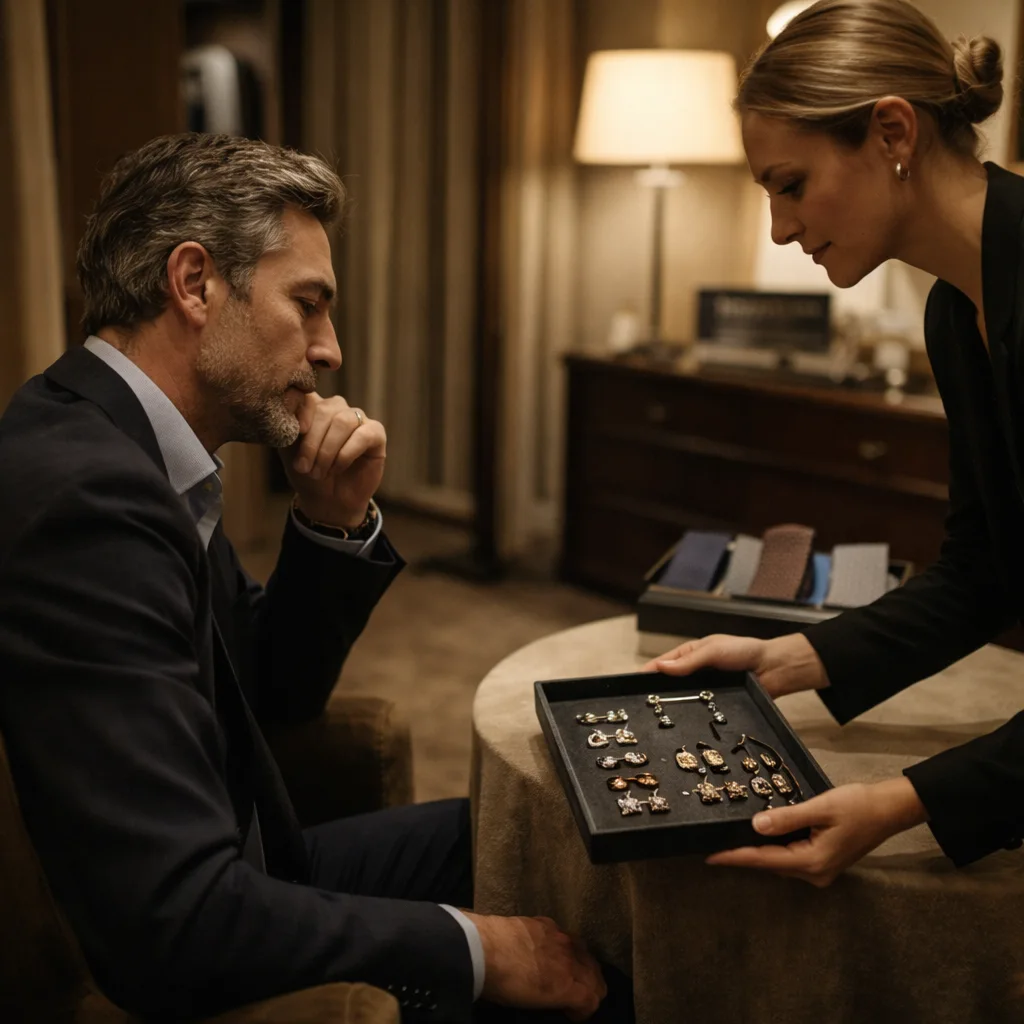
What distinguishes these spaces isn’t simply the merchandise; it’s the architecture of the experience itself. Appointment-only access, private entrances, and staff trained to recognise returning clients without prompting all signal that anonymity is part of the offer.
Affluent consumers have consistently shown a preference for physical spaces that afford control over their own visibility. The transaction is almost secondary. What matters is that the experience respects the client’s desire to move through the world without unnecessary attention.
When Discretion Extends Beyond the Shop Floor
The expectation of privacy that Mayfair’s boutiques have cultivated doesn’t stay contained within those elegant shopfronts. Increasingly, affluent consumers carry the same standards into their digital lives, expecting platforms to offer equivalent levels of anonymity and control.
For instance, privacy extends further than retail, with no kyc online casino platforms, for example, providing players with a secure and private way to game. These platforms use blockchain and crypto’s decentralised nature to ensure players are identified by their wallets only.
In one sense, expressing the same instinct: a preference for engaging with premium services without surrendering personal data as the price of entry.
This isn’t a niche attitude. It reflects a much wider change in how high-spending individuals think about their relationship with commerce, whether they’re commissioning a bespoke suit or choosing where to spend an evening online. Privacy, once assumed, is now actively sought.
The Private Client Model Behind Bespoke Services
Bespoke tailors on Savile Row and independent jewellers throughout Mayfair have long operated on a private client model. It functions more like a confidential professional relationship than a retail transaction.
Client records, measurements, preferences, and purchase histories are held with the same care a financial adviser might apply to portfolio data. Referrals are the main channel for new business.
This model works because it aligns the boutique’s interests with the client’s. Discretion protects both parties. The house builds loyalty; the client builds trust. Neither benefits from exposure, and that shared understanding underpins some of the longest-standing commercial relationships in British luxury retail.
What Mayfair’s Standards Signal for Luxury Spending
Mayfair’s retail culture offers a useful lens for understanding where luxury spending is heading more broadly. The boutiques that endure aren’t necessarily those with the highest footfall or the most aggressive marketing.
They’re the ones who have made their clients feel genuinely invisible to the outside world. That’s a difficult thing to manufacture, and the establishments that achieve it command extraordinary loyalty.
What Mayfair shows, then, is that discretion scales. It applies equally to a first-time bespoke commission and to repeat seven-figure jewellery purchases.
As luxury consumers become more attuned to data privacy and personal exposure across all areas of life, the retailers and platforms that treat anonymity as a design principle, rather than an afterthought, will define the next chapter of high-end spending.


