
Defining the Spirit of W1
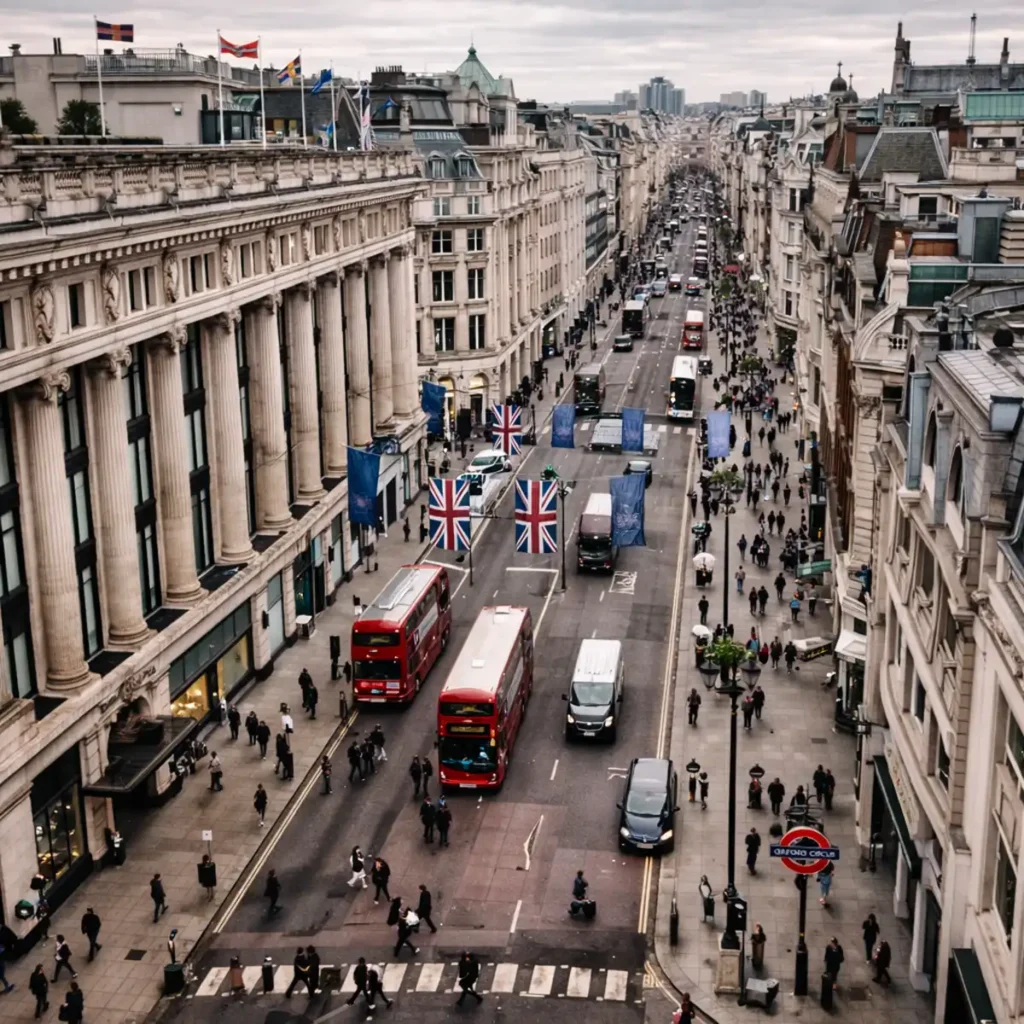
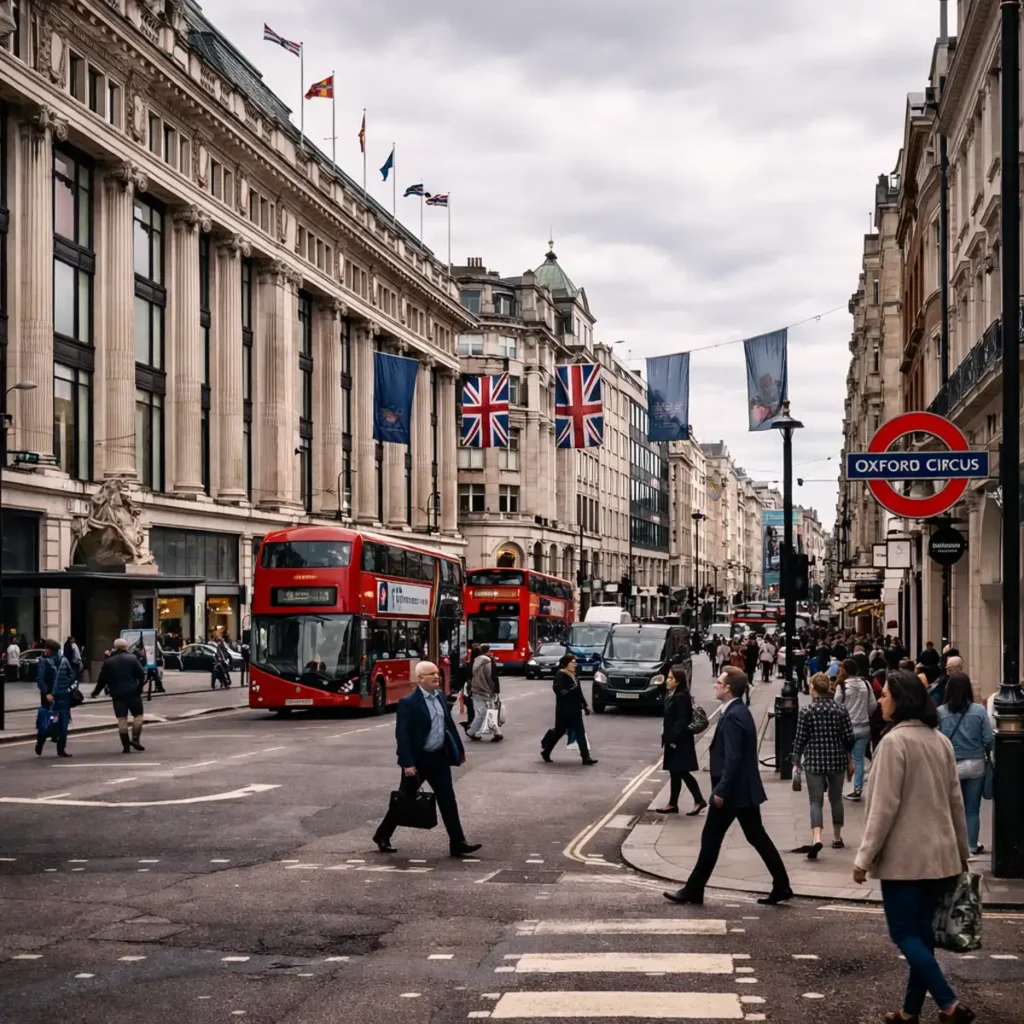
Mayfair remains a symbol of global prestige, a pocket of London where history and contemporary luxury coexist in a delicate balance. Bordered by Hyde Park to the west, Oxford Street to the north, and Piccadilly to the south, this district has long been the primary address for those who seek the finest things in life. Its reputation was not built overnight; it is the result of centuries of careful curation by the Grosvenor family and a commitment to maintaining a standard of living that few other places in the world can match. To walk through its streets is to observe a world where every detail, from the polished brass door handles of Georgian townhouses to the perfectly manicured greenery of its squares, speaks of quality.
The character of the area is defined by its architectural consistency. While other parts of London have embraced glass and steel, Mayfair retains its brick-and-stone elegance. The grand squares—Grosvenor, Berkeley, and Hanover—serve as the lungs of the district, providing quiet spots for reflection amidst the city’s constant motion. It is this unique atmosphere that draws visitors from across the globe, offering a glimpse into a lifestyle that prizes heritage as much as it does innovation.
A Legacy Built on Heritage and Architecture
The story of Mayfair began in the late 17th century, named after the annual “May Fair” that took place in what is now Shepherd Market. What was once a rural fringe of London transformed into a fashionable residential area for the aristocracy. The development was led by Sir Thomas Grosvenor, who married Mary Davies, the heiress to the land. Over the generations, the Grosvenor Estate turned these fields into a masterpiece of urban planning.
Architecture here is a primary draw. The red-brick buildings of Mount Street and the grand terraces of Upper Brook Street showcase the transition from Baroque influences to the more restrained elegance of the Georgian era. Many of these structures, originally built as private palaces for the nobility, now serve as embassies, corporate headquarters, or exclusive apartments. Preserving this aesthetic is a priority for the local community, ensuring that any new additions respect the historical context of the surroundings.
The Pinnacle of Retail and Craftsmanship
For many, the name Mayfair is synonymous with the world’s most famous shopping streets. Bond Street, divided into New and Old, is the heart of this retail empire. Here, one finds the flagship stores of global fashion houses, jewelry boutiques, and watchmakers. However, the true soul of Mayfair retail lies in its dedication to craftsmanship rather than mass production.
Savile Row, a name known globally, continues to be the home of bespoke tailoring. For centuries, artisans here have been creating hand-cut suits for royalty, world leaders, and celebrities. The process is slow and meticulous, representing a counterpoint to the fast-paced nature of the world outside. Similarly, Mount Street offers a more boutique experience, with independent shops and luxury brands housed in stunning terracotta buildings. The shopping experience in Mayfair is about the relationship between the maker and the owner, a tradition that remains unchanged even as the world around it moves toward digital commerce.
Culinary Excellence and Fine Dining
The gastronomic environment in Mayfair is among the most competitive and celebrated in the world. With one of the highest concentrations of Michelin stars in any city, the district is a destination for food enthusiasts. From the theatrical dining rooms of Sketch to the refined elegance of Hélène Darroze at The Connaught, the variety of flavours is immense.
Beyond the famous names, the area is home to hidden gems and historic pubs. The Guinea Grill on Bruton Place has been serving patrons since the 15th century, offering a glimpse into the district’s past. Whether it is a traditional afternoon tea at The Ritz or a contemporary Japanese meal at Nobu, the focus is always on the quality of ingredients and the precision of service. Dining here is not just about the food; it is a social ritual that defines the rhythm of life in the W1 postcode.
The Changing Face of Hospitality and Entertainment
Hospitality in Mayfair has always been about providing an escape from the ordinary. The district’s hotels—Claridge’s, The Dorchester, and The Connaught—are institutions in their own right. They have hosted history’s most significant figures and continue to set the standard for service globally. In the current era, these establishments have adapted to the needs of a global traveler who values both privacy and efficiency.
Entertainment in the district has also seen a fascinating progression. Historically, the area was known for its private gambling clubs, where the elite gathered in opulent surroundings. While these grand physical venues still exist and maintain their strict entry requirements, the way people choose to engage with gaming has expanded. Today’s residents and visitors often seek flexibility alongside luxury. For someone relaxing in a suite after a day on Bond Street, the convenience of an instant play casino provides a seamless way to enjoy a few moments of recreation without the need for travel or formal dress codes. This preference for browser-based, high-quality platforms reflects a wider trend where time is the ultimate luxury, and accessibility is highly prized.
The Art Scene and Cultural Significance
Mayfair has long been a hub for the arts. While the West End is famous for its theatres, Mayfair is the centre of the international art trade. The Royal Academy of Arts on Piccadilly serves as a cornerstone of the community, hosting major exhibitions that attract thousands.
The side streets are filled with commercial galleries, many of which specialise in Old Masters, contemporary sculpture, or rare photography. Cork Street has a legendary reputation as the birthplace of many artistic careers. Walking through these galleries, one can see the works of world-renowned artists in a setting that feels personal and quiet. This cultural density ensures that Mayfair is not just a place of commerce, but a living museum of human creativity.
Conclusion: A District for the Ages
What makes Mayfair truly special is its ability to remain relevant. It is a district that honours its past while embracing the comforts of the present. Whether it is the artisanal skill of a Savile Row tailor, the innovation of a Michelin-starred chef, or the digital ease of contemporary pastimes, the area caters to those who demand the best in every aspect of life.
For the visitor, Mayfair offers a sense of stability and refinement. It is a place where one can walk through centuries of history in a single afternoon, moving from the quiet greenery of a square to the vibrant energy of a world-class restaurant. As London continues to grow and change, Mayfair remains its anchor—a testament to the enduring appeal of quality, heritage, and the pursuit of excellence.


