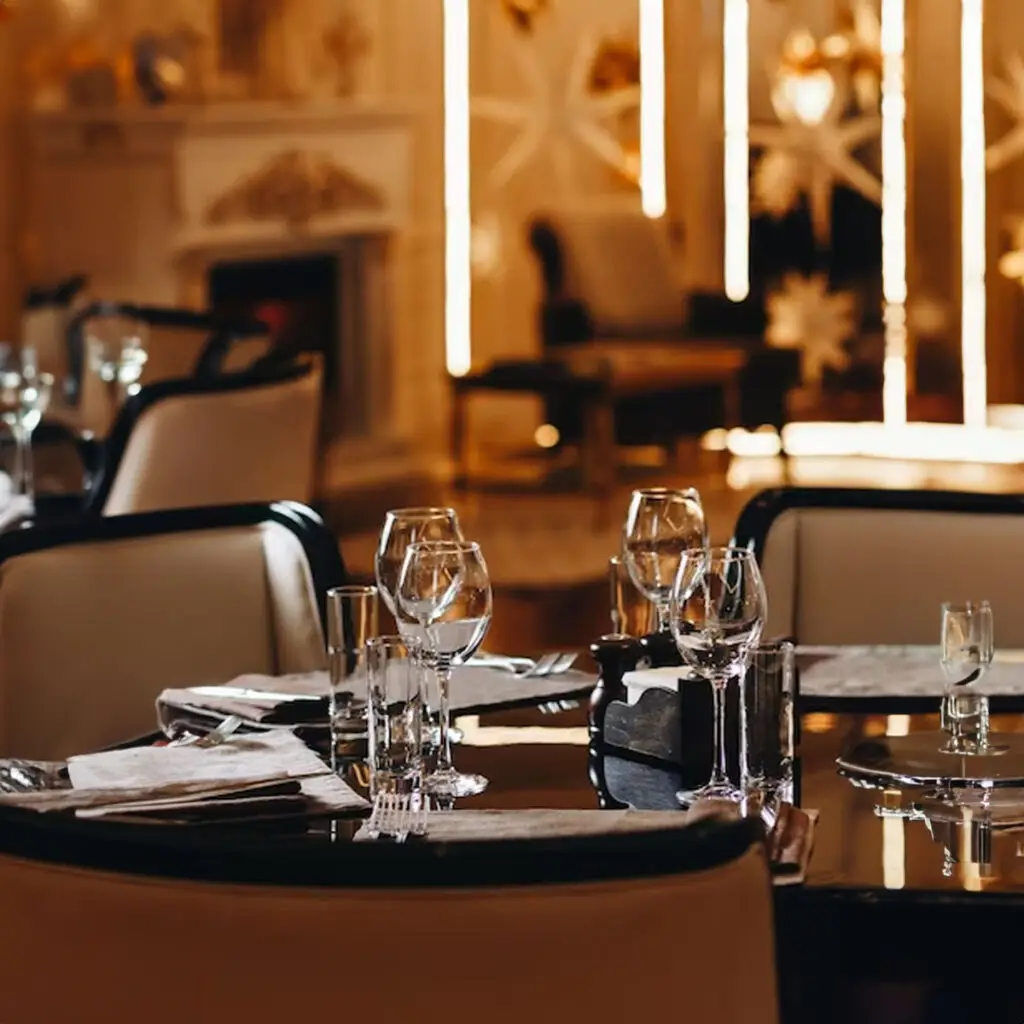
London’s hospitality scene rarely pauses, yet every so often a project arrives that feels almost subversive in its restraint. The Shepherd Mayfair, slated to welcome its first guests in late 2025, has chosen understatement over spectacle. Instead of a neon-bright splash along Park Lane, the hotel is quietly redeveloping the former Park Lane Mews on the hushed curve of Stanhope Row, steps from Shepherd Market. Its promise, “Thoughtfully made, quietly memorable”, signals a new benchmark for quiet luxury at the heart of the capital.
From the outset, the project has avoided the predictable language of five-star bravado. It speaks of a “private mansion” rather than a flagship and hints at experience rather than excess. With eighty-two keys and sixteen serviced homes, the scheme is deliberately intimate, pursuing guests who would rather feel tucked away than placed centre stage. In the process, it champions a style of hospitality that prizes texture, narrative and place above flashy, one-night-only theatrics. The magnetism lies in what is withheld as much as what is revealed.
Investment muscle meets local insight
Behind the hushed marketing lies a coalition of heavy hitters. Global private-equity powerhouse Bain Capital supplies robust funding and a forensic eye for assets primed for repositioning. Alongside sits Orka Investments, the boutique firm led by Raoul Malhotra and Oskar Sköldberg, whose “manage-to-core” mantra focuses on breathing commercial life back into storied buildings. Their joint venture purchased the site in 2021 with a plan that strikes a balance between profit and preservation.
Delivery rests with CIT Group, a development manager known for shepherding complex heritage refurbishments to completion on time and on budget. Hamilton Pyramid Europe, the continental arm of Pyramid Global Hospitality, will operate day-to-day once the doors open, bringing global systems yet promising local soul. This modular structure rewards everyone’s specialist skill, ensuring the property is both a high-performing investment and an outstanding boutique hotel experience.
Designing the modern Mayfair mansion
Architecture and interiors fall to Buckley Gray Yeoman, the Shoreditch practice celebrated for breathing new life into sensitive sites, working hand in hand with Timothy Shepherd of the newly formed studio Shepherd&. Their guiding narrative casts the finished building as a contemporary re-imagining of the Georgian mansions that once defined Mayfair society. In those homes, trade merged with pleasure, art with diplomacy, and life unfolded behind elegant facades. The designers aim to capture that layered spirit and then translate it for a twenty-first-century traveller.
Crucially, the story, architecture, and brand evolved together, not sequentially. That cohesion should ensure every corner, chair, and corridor earns its place in the wider plot. The materials palette remains under wraps, yet expect rich timber, muted stone and moments of unexpected artistry, all choreographed to evoke domestic warmth rather than hotel formality. Albion Nord is overseeing the interiors of the sixteen adjacent residences, ensuring they align with the same tone of considered, heritage architecture blended with modern ease.
Sustainability is no afterthought. By retaining large portions of the original structure, the project sharply cuts embodied carbon, helping it target BREEAM “Excellent”, a prized credential within green construction, in an era when travellers scrutinise the eco-claims of every stay, such validation matters. It is also commercially astute: energy-efficient buildings cost less to operate and signal longevity to investors hunting resilient assets.
Fun Fact: Mayfair’s street grid once echoed with the sound of sheep heading to the annual May Fair, a lively eighteenth-century market that lent the district its name. The new hotel’s title tips a subtle nod to that pastoral heritage in a quarter now synonymous with global finance.
Essential facts at a glance
- Project – The Shepherd Mayfair
- Opening – Late 2025
- Address – 2 Stanhope Row W1J 7BT
- Keys – 82 guest rooms, 16 serviced homes
- Owners – Bain Capital and Orka Investments
- Operator – Hamilton Pyramid Europe
- Design – Buckley Gray Yeoman with Timothy Shepherd
- Dining – Fayre brasserie, Teddy’s speakeasy, The Café lobby lounge
- Sustainability goal – BREEAM Excellent through refurbishment
- Collection – Elegant Hotel Collection
Each bullet tells its own story of focus and fit. The room count is deliberately modest, affirming the promise of seclusion. The ownership pairing weds global capital to niche expertise. The drive for sustainable design turns a historic footprint into an energy-efficient model for urban renewal. Together they signal a hotel conceived not as a trophy but as a finely balanced ecosystem.
Why the story matters now
Mayfair stands on the brink of a hospitality renaissance. The Chancery Rosewood, Cambridge House Auberge Resorts and other grand entrants will soon crowd Grosvenor Square and Piccadilly with sheer scale and shimmer. By contrast The Shepherd Mayfair positions itself where the crowds thin and neighbourhood life surfaces. It targets the traveller who wants the parks, galleries and haute couture within a short walk yet prefers to sleep somewhere less ostentatious.
That positioning resonates in a post-pandemic world where discretion is the ultimate status symbol. More guests now seek residential intimacy, staff who remember their routine and a sense of private residence rather than public resort. By anchoring itself in the characterful lanes of Shepherd Market, the hotel can promise genuine local texture alongside the polished comforts expected of a luxury hotel London has to offer.
Culinary story from dawn to midnight
One hotel can rarely sway a neighbourhood’s fortunes on ambience alone, yet restaurants and bars do far more than feed guests. They set the tempo, draw outsiders and give a building its public voice. The Shepherd Mayfair has chosen a three-tier structure that serves locals as much as residents, ensuring every plate and every glass tells people why they walked past bigger venues to find something smaller.
Fayre is the all-day dining anchor
Occupying the corner that faces Stanhope Row, Fayre will function as a classic brasserie reset for twenty-first-century tastes. Mornings start with precisely brewed flat whites and pastries that honour London’s obsession with sourdough finesse. Lunchtime slips into market-led salads, while dinner will pivot to charcoal-licked steaks and Cornish day-boat fish. The aim is familiarity lifted by craft rather than fuss. Pricing, rumoured to sit just under the eye-watering tier of nearby Michelin stars, signals inclusivity without eroding premium positioning. Crucially, Fayre’s street entrance invites drop-ins who might never step beyond reception, threading the hotel into the daily rhythm of Mayfair dining.
Teddy’s the after-dark heartbeat
Below street level, a different personality waits. Teddy’s, named for an enigmatic Edwardian host once said to entertain bankers and actors in equal measure, is conceived as a candlelit speakeasy. Expect timber panelling, discreet booths and bartenders who prefer conversation to showmanship. The drinks list promises tight focus: flawless martinis, a seasonal fruit highball and two or three house inventions destined for social-media stardom. With a midnight licence, Teddy’s offers The Shepherd a valuable revenue stream that stretches beyond the conventional dinner window, while giving hotel residents genuine nocturnal credibility without leaving the building.


The Café where time slows
Many hotels struggle to make their lobby more than a check-in corridor. The Café intends to solve that by doubling as a drawing-room salon. By daylight, it delivers artisan coffee, super-seed porridge and considered detox juices. From afternoon onward, Champagne by the glass nudges the space towards aperitivo culture. Soft furnishings and scattered art books encourage lingering, turning the lounge into an informal office for discreet meetings. As with Fayre, the use of a separate doorway means the café can live as a neighbourhood haunt rather than a guest-only amenity, deepening the hotel’s connection to the intricate lanes of Shepherd Market.
At a glance
- Three venues share staff training and back-of-house logistics, cutting overheads while presenting distinct identities in front-of-house
- Smart ventilation keeps kitchen aromas from drifting upstairs, vital in a boutique footprint
- Menu engineering targets a 75 per cent produce spend from UK suppliers within 100 miles, fortifying sustainability credentials
Collectively, these outlets create a flexible revenue ladder. Breakfast builds base occupancy, lunch captures office traffic, dinner courts guests and fashion editors, and nights belong to Teddy’s. By rotating the atmosphere rather than refurbishing walls, the hotel extracts maximum yield from each square foot.
Wellness remains the quiet card
If food brings people in, wellness keeps them loyal. Yet the project team has released no official drawings or square footage for a spa. This is a calculated silence. Competitors trumpet Himalayan salt saunas months ahead of launch. The Shepherd’s restraint suggests a surprise reveal calibrated to cut through the noise closer to opening.
Industry whispers hint at a subterranean experience, featuring private treatment suites themed after English garden fragrances. A discreet partnership with a British aromatherapy house would align with the hotel’s narrative of local authenticity. Expect a 24-hour Technogym studio, yoga mats waiting in every wardrobe and off-menu cryotherapy sessions for jet-lagged CEOs. Such touches satisfy the hotel wellness checklist without sacrificing valuable guest rooms on upper floors.
For now, the unanswered question sustains intrigue. Will the wellness wing embrace members from nearby offices to fill daytime slots, or remain strictly for guests and residents to preserve the sanctuary feel? Regardless of the route taken, the result must meet the expectations of luxury travel consumers, who now treat a hotel’s recovery facilities as seriously as its mattresses.
An intimate neighbour in a district of giants
Construction cranes across W1 underline how hoteliers and developers still covet Mayfair’s cachet. The forthcoming Chancery Rosewood and Cambridge House Auberge Resorts will feature six-figure chandeliers and ballrooms large enough to host tech summits. The Shepherd counters with eighty-two rooms. That scarcity is the proposition. Staff-to-guest ratios edge towards one-to-one, receptionists learn preferences by the second day, and guests navigate corridors hand-finished by designers rather than quantity surveyors.
Boutique independence shields the hotel from brand-standard checklists that can strip away individuality. Linen can have a softer thread count because procurement is led by human decisions, not global contract volume. Floral arrangements may change weekly, reflecting what New Covent Garden supplies, a subtle indication that someone is paying attention. These qualities speak directly to travellers weary of algorithmic sameness. They search online for a London boutique hotel but book the stay that feels unique.
Wider ripple through bricks and mortar
The Shepherd’s emergence delivers more than room keys. Estate agents already note heightened enquiries for pied-à-terre flats within Shepherd Market as international buyers anticipate a new service ecosystem at their doorstep. Grosvenor Estates’ recent retail pitch deck cites The Shepherd as a catalyst for footfall growth, providing proof that a boutique hotel can boost daytime trade without the nuisance of minibuses clogging narrow lanes.
On residential streets, the restoration of two Georgian townhouses into serviced homes, each with hotel privileges, sets a reference point for pricing. The night after launch will see values recalibrate across W1J, cementing Mayfair property as a safe harbour asset class. Local businesses share in the uplift: tailors, florists and art dealers secure a fresh stream of discerning patrons.
Crucially, the project’s pursuit of BREEAM Excellent through retention rather than demolition positions it as a lab report for sustainable luxury development. Carbon analysts will study the build-phase data to demonstrate how heritage shells can compete with ground-up new builds on energy performance, a lesson of relevance far beyond Zone 1.
Conclusion: A Quiet Revolution on Stanhope Row
When The Shepherd Mayfair swings open its doors later this year, it will show that hospitality progress need not shout. It will welcome guests with the hush of oak and the promise of perfectly balanced cocktails, yet its influence will travel louder than any billboard. By blending old-world masonry with forward-looking ethics, and by choosing a vocabulary that whispers rather than boasts, the hotel sketches a blueprint for the capital’s next chapter of comfort.
Visitors will depart remembering not an Instagram snap but a sensation: the moment a barista saw them hesitate and offered the corner armchair near the fireplace, the faint scent of vetiver as lift doors closed, the knowledge that the building they occupied gave new utility to bricks first laid three centuries ago. Such moments build loyalty stronger than any points scheme.
As the proverb reminds us, slow and steady wins the race.