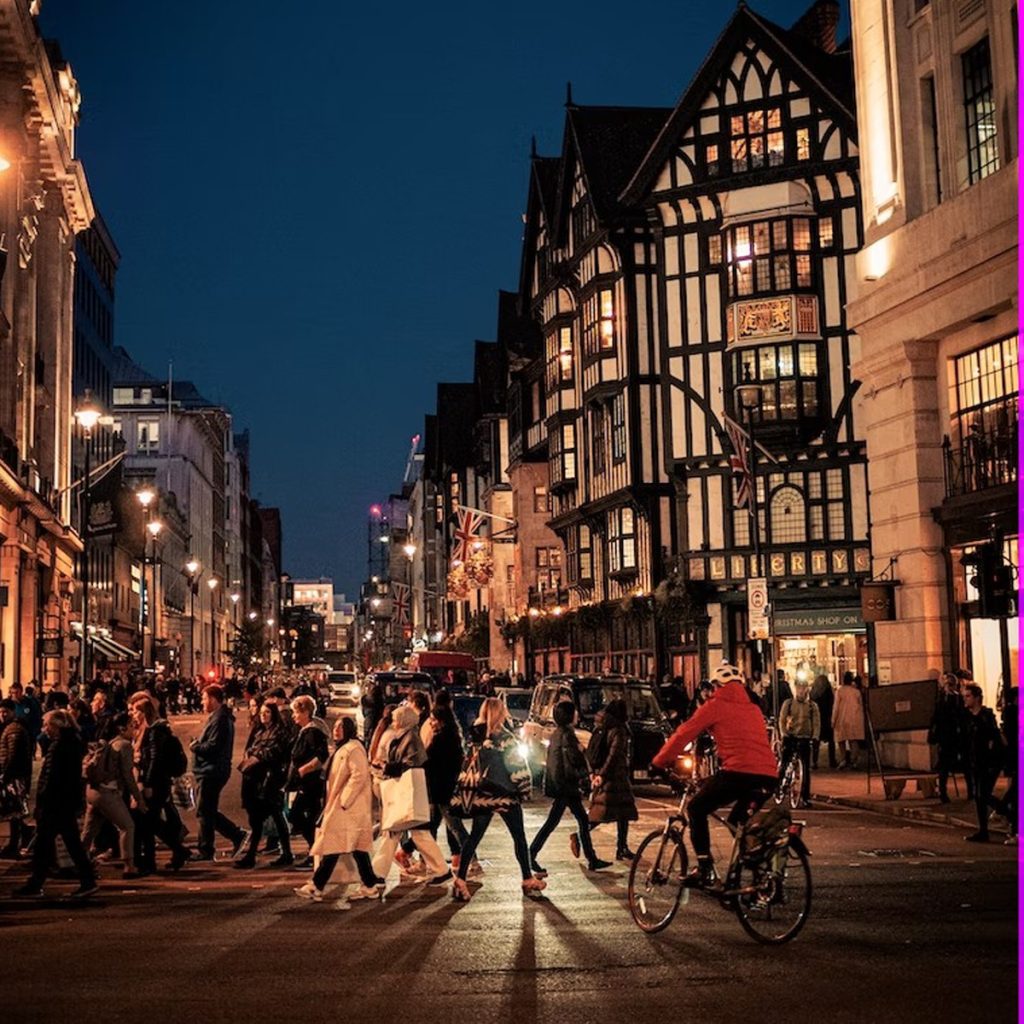
London has always harboured two distinct rhythms. Tourists flock to landmarks while a quieter set navigates the city through private clubs, discreet dining rooms, and betting shops that predate the digital revolution. Understanding how established residents engage with leisure requires looking beyond glossy brochures into habits shaped by generations of discretion and tradition.
The phrase itself is slippery. Old money London is less about how much somebody has than about how long they have had it, and the habits that grow around money nobody had to earn in a hurry. Those habits are consistent enough to be recognised, and most of them run directly against how luxury is marketed.
What follows is a description rather than an instruction manual. Some of it is accessible to anyone who walks in off the street. Some of it takes an introduction that cannot be bought. The distinction between the two is itself one of the more reliable markers.
What separates old money from new money in London
The clearest difference is speed. New wealth buys the thing that signals arrival, and it buys it now. Established wealth replaces what it already owns, from the same maker, on a cycle measured in decades.
That produces behaviour that looks eccentric from outside. A coat is repaired rather than replaced. A shoe goes back to the maker for resoling four or five times across thirty years. A watch is serviced rather than upgraded. None of this is thrift. It is the assumption that the object was chosen correctly the first time and that the relationship with whoever made it is worth more than novelty.
The second difference is visibility. Logos are avoided, not because they are vulgar in themselves but because they announce a decision to somebody who was not asked. The preferred houses are the ones whose work is recognised only by people who already know, which is why so many of the businesses in this world are difficult to find and make no effort to be found.
The third is geography. The map is small and it barely moves. Mayfair, St James’s, Belgravia and Chelsea, plus somewhere in the country, and the same handful of streets within those districts. The Mayfair directory covers most of the London half of it, street by street.
Members-only establishments and understated luxury
Old-money Londoners avoid venues that advertise. They favour clubs where membership requires personal introductions and committees vet applicants over months. These spaces rarely display signage. Entrances blend into Georgian terraces, and staff recognise faces rather than checking identification at the door.
Dining within these circles follows similar codes. Reservations happen through phone calls to managers who remember preferences from years prior. Menus change seasonally but never chase trends. Ingredients come from estate farms in Scotland or suppliers who have served the same families for generations.
The aesthetic remains deliberately muted. Interiors feature worn leather, dark wood panelling, and oil portraits of founders. Nothing feels newly renovated. Comfort comes from familiarity rather than opulence, and conversations stay low enough that adjacent tables cannot overhear.
Geographically this is a tight cluster. The oldest institutions sit along Pall Mall and St James’s Street, with the newer wave spread across Mayfair around Mount Street, Dover Street and Berkeley Square. Waiting lists at the established houses are measured in years rather than months, and several still operate rules on telephones, laptops and business papers in the public rooms that visitors find startling.
Tailoring traditions and bespoke services
Savile Row remains central to how established Londoners approach clothing. Relationships with tailors span decades, with fittings scheduled around the same weeks each year. Patterns are kept on file, and adjustments account for incremental changes in physique without requiring full measurements each visit.
Shoemakers operate similarly. Custom lasts are stored in workshops that have occupied the same premises since the nineteenth century. Orders take months to fulfil, and clients expect this delay as part of the process. Nothing arrives quickly, and rush requests are politely declined.
Even everyday services follow this model. Barbers in Jermyn Street maintain appointment books filled weeks in advance. Florists arrange weekly deliveries to the same addresses for decades. Dry cleaners know which households prefer certain starch levels and return garments wrapped in cloth rather than plastic.
The trade is more accessible than its reputation suggests. Savile Row houses will see anyone who makes an appointment, and a first commission begins with a conversation rather than a credit check. Expect the first suit to take three fittings across two to three months, and expect the pattern to be kept afterwards, which is the point of the whole exercise. The neighbouring streets carry the shirtmakers, shoemakers and hatters who work to the same rhythm.
Art acquisitions and quiet philanthropy
Galleries in St James’s handle transactions that never reach auction houses. Private sales occur in viewing rooms accessed through unmarked doors. Advisors facilitate acquisitions discreetly, ensuring that neither buyer nor seller attracts public attention. Collectors in this tier avoid contemporary art fairs, preferring established dealers with multigenerational reputations.
Philanthropy follows equally understated patterns. Donations support institutions rather than individual causes, with gifts often made anonymously. Trustees gather in Bloomsbury townhouses to discuss endowments, and strategic decisions unfold over years rather than in response to immediate crises.
Cultural patronage extends to opera subscriptions passed down through families, season tickets to symphony orchestras, and ongoing support for museums that predate the Victorian era. Engagement happens through committees and boards rather than public fundraising campaigns.


The dealer galleries operate on a different footing from the ones with work in the window. A dealer in old masters or antiquities may place a dozen pieces in a year, each after months of conversation, and the shopfront exists mostly to receive people who already have an appointment. Houses such as Trinity Fine Art on Old Bond Street work this way, and will talk to a genuinely interested visitor who writes ahead.
Private gaming rooms and alternative platforms
Traditional gaming venues in Mayfair and Knightsbridge have long served as social hubs for those who value discretion. Yet digital habits are shifting even among this demographic, particularly as regulatory frameworks tighten around mainstream operators. Many seasoned players now explore platforms that operate outside conventional oversight structures, seeking flexibility that mirrors the autonomy they expect in other areas of life.
Some turn to UK gambling sites not on GamStop when looking for alternatives that permit higher stake limits and fewer mandatory pauses in play. These offshore domains attract users frustrated by intervention protocols, offering streamlined registration and immediate access to tables without cooling-off periods or deposit caps that newer regulations mandate.
The appeal lies in operational simplicity. Players accustomed to swift transactions and minimal interference find that certain international licensors provide experiences closer to what private clubs once offered. While mainstream UK operators must enforce time limits and reality checks, offshore platforms often rely on user discretion rather than automated pauses.
Seasonal routines and countryside estates
The calendar dictates movements between town and country. Families depart London for shooting seasons in Scotland or grouse moors in Yorkshire. Spring brings a return to Chelsea or Kensington, timed with the start of the social season.
Estate management occupies significant time. Land agents coordinate tenancies, gamekeepers oversee wildlife populations, and forestry consultants plan timber harvests decades in advance. These responsibilities are treated as ongoing duties rather than hobbies.
Rural properties serve multiple functions. They provide retreat from urban density, venues for hosting extended family gatherings, and connections to agricultural traditions. Many estates have remained within the same lineages for centuries, with each generation expected to preserve rather than transform.
The season has a fixed shape that has barely altered in a century. Chelsea in May, then Epsom, Ascot and Henley through June and July, Goodwood at the end of July, and the shooting season from the twelfth of August. Much of London society simply empties out in August and returns in September, which is why so many Mayfair businesses quietly reduce their hours in the middle of summer.
Financial discretion and legacy planning
Wealth management happens through private banks with offices in Mayfair. Advisors inherit client relationships from predecessors, ensuring continuity across generations. Strategies emphasise preservation over aggressive growth, with portfolios weighted toward land, gilts, and blue-chip equities.
Trusts and estate structures are reviewed annually but rarely overhauled. Tax planning unfolds over decades, and legal teams coordinate across multiple jurisdictions. The goal remains maintaining capital for descendants rather than maximising returns within a single lifetime.
Conversations about money remain indirect. Specific figures are never mentioned in social settings, and displays of wealth are considered vulgar. Even significant inheritances are acknowledged with understatement, and financial success is assumed rather than demonstrated.
Discretion here is structural rather than stylistic. Private banks in this bracket often require introductions, hold client relationships across three or four generations, and measure performance against preservation of capital rather than against an index. The instinct is the same one that governs the tailoring and the art. Continuity is the product being bought.
How much of this a visitor can actually see
A good deal more than the mythology suggests, provided the approach is right.
The shops are open. Savile Row, the shoemakers, the hatters, the perfumers and the booksellers all trade with the public, and nobody is turned away for browsing. Shapero Rare Books is the clearest example of the type, a serious antiquarian dealer that will happily let somebody spend twenty minutes with a first edition they have no intention of buying.
The galleries are open, and most of St James’s and Cork Street can be walked in an afternoon without an appointment. The pubs used by the estates and the auction houses are ordinary pubs. The parks, the squares and the architecture cost nothing at all.
What is genuinely closed is the club membership and the private view, and both run on introduction rather than money. That is the part that cannot be shortcut, and it is worth being honest that no amount of spending substitutes for it.
The practical advice is unglamorous. Make appointments, arrive on time, dress unremarkably, and ask direct questions. Every one of these businesses survives on repeat relationships, and they are considerably more welcoming to a curious first-timer than their reputation implies.