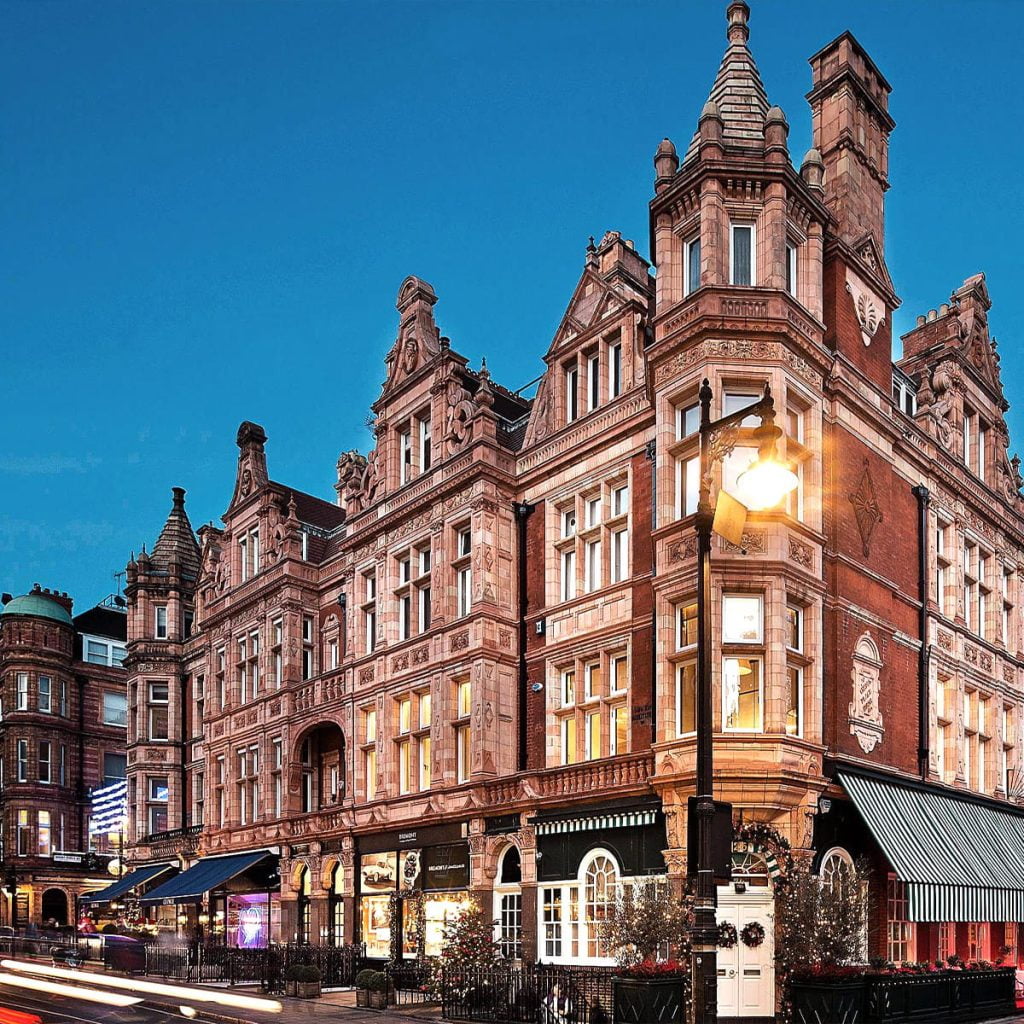
Hatton Garden has always been more than a street of jewellers. It is a place where power, craft, money and trust have quietly shaped one another for over 450 years. What began as church land planted with fruit trees is now the country’s most concentrated fine jewellery district, visited daily by engagement ring buyers, collectors, designers, and international dealers. In 2026, Hatton Garden stands at another turning point. Ethical sourcing, lab-grown stones, and a renewed interest in handmade jewellery are reshaping how Londoners buy diamonds and precious metal work, without erasing the deep traditions that have made the area what it is today.
To understand why Hatton Garden still matters, and why it continues to attract serious buyers, it helps to trace its evolution carefully. From royal favour and orchard soil to bench-made engagement rings and blockchain-traced diamonds, the Garden’s story explains not just where British fine jewellery has come from, but where it is heading next.
Hatton Garden before jewellery and the power behind the land
Long before diamond rings and platinum settings filled the windows, Hatton Garden was rural, valuable and politically sensitive land. In the 16th century, it belonged to the Bishop of Ely, whose London residence and surrounding gardens were famous enough to appear in Shakespeare’s Richard III. These were not decorative plots. They were productive orchards, known for strawberries and fruit grown for elite tables.
The turning point came in 1577 through a familiar force in Elizabethan England, royal favour. Queen Elizabeth I wanted a London residence for her trusted courtier, Sir Christopher Hatton. The Bishop was pressured into granting a long lease on terms that later became legend. The annual rent amounted to one red rose, ten loads of hay and ten pounds. While symbolic, the arrangement shifted control of the land permanently away from the Church.
The orchards eventually disappeared as London expanded, but traces of this period remain. St Etheldreda’s Church still stands nearby, the oldest surviving Catholic church in England. It is a physical reminder that Hatton Garden was once agricultural ground shaped by religion and monarchy, long before it became commercial property.
From watches to diamonds, the artisan migration
Hatton Garden did not become a jewellery centre overnight. Through the early 1800s, the district was better known for skilled mechanical trades, particularly clocks and watches. Precision work, metal knowledge and small-scale workshops already defined the area. That foundation mattered when the next wave arrived.
The 1860s discovery of diamonds in Kimberley, South Africa, triggered a global shift in the diamond trade. Skilled cutters, merchants and dealers moved to London, and Hatton Garden offered what they needed. It had workshops, proximity to financial institutions, and a culture already comfortable with specialist craft.
By the Victorian era, Hatton Garden had become a global diamond exchange. Deals were conducted openly along the kerbside, often finalised with a handshake and a quiet wish of mazel. This environment relied on reputation rather than paperwork. Trust, memory and technical competence mattered more than signage or marketing.
The founding of the London Diamond Bourse formalised this ecosystem. Hatton Garden became a clearinghouse where diamonds from across the world were graded, traded and redistributed. That concentration of expertise still defines the area today. Many of the businesses operating in 2026 are direct descendants of those early family firms.
Why Hatton Garden still attracts serious buyers in 2026
Despite online diamond platforms and international luxury brands, Hatton Garden remains uniquely relevant. Buyers come here not only for price comparison, but for access to knowledge that cannot be replicated through screens alone.
Walking the street in 2026 reveals continuity alongside change. Behind modern shopfronts sit workshops where stones are set by hand. Underground vaults store bullion and loose diamonds worth millions. Above ground, consultation rooms have become calmer, more transparent spaces designed for education rather than intimidation.
This concentration allows buyers to compare engagement rings, coloured gemstones and bespoke services within a few hundred metres. For those seeking Hatton Garden engagement rings, diamond rings London, or a bespoke engagement ring, the district still offers an unmatched density of choice.
The ethical shift shaping modern jewellery decisions
One of the most significant changes in Hatton Garden today is not aesthetic, but ethical. Buyers in 2026 increasingly ask where materials come from, how they were produced and what impact they carry beyond the ring box.
Provenance has moved from marketing language to purchasing requirements. The traditional focus on the 4 Cs remains important, but it is no longer sufficient on its own. Buyers now expect transparency about sourcing, manufacturing and lifecycle.
At Smith & Green, the demand reflects this change directly. Requests for blockchain-verified diamonds have increased sharply, allowing clients to trace stones from origin to finished piece. This digital product passport model reassures buyers who want clarity without sacrificing beauty or quality.
Lab-grown diamonds have also matured. No longer viewed purely as a cost-saving option, they are chosen deliberately for design flexibility and reduced environmental impact. Larger stones, higher clarity and modern cuts have made lab-grown diamonds a confident luxury choice rather than a compromise.
Recycled gold has followed a similar path. In 2026, 18ct yellow gold is enjoying renewed popularity, particularly in heavier, expressive settings inspired by antique forms. Old Mine style cuts and vintage proportions honour Hatton Garden’s history while aligning with modern sustainability expectations.


Bench-made jewellery and why craft still defines value
Amid technological change, the most enduring feature of Hatton Garden remains the bench. True bespoke jewellery here is not assembled from prefabricated parts. It is hand forged, shaped and set by skilled mounters and setters whose techniques have been passed down through generations.
At Smith & Green, this tradition continues quietly behind the shopfront. Metal is worked under heat and pressure, not printed layer by layer. Stones are seated by hand, adjusted to the unique tolerances of each setting. This approach produces durability and refinement that machines still struggle to replicate.
Every finished piece is submitted to the London Assay Office for hallmarking, a system of quality control that has operated since 1300. For buyers, this is more than a stamp. It is a reassurance that the precious metal content and workmanship meet national standards.
This commitment to handwork explains why bespoke jewellery from Hatton Garden ages differently. Rings develop character rather than weakness. Settings retain strength through decades of wear. For engagement rings intended to last a lifetime, this distinction matters.
What the buying experience feels like today
Hatton Garden in 2026 is more approachable than its reputation suggests. The buzzer entry shops of past decades have largely given way to open doors and structured consultations. Buyers are encouraged to ask questions, examine loose stones and understand design decisions.
At Smith & Green, consultations are deliberately educational. Clients are invited to handle gold samples, compare diamond cuts and discuss proportions before any commitment is made. This slows the process, but improves outcomes.
For engagement ring buyers, the journey now typically involves multiple visits. Initial consultations focus on style and stone preference. Subsequent appointments refine design and budget alignment. Final fittings ensure comfort and proportion are correct before hallmarking and finishing.
This approach suits modern buyers who want confidence rather than pressure. It also reflects Hatton Garden’s broader shift from transactional selling toward long-term client relationships.
Why Hatton Garden remains competitive globally
International clients continue to visit Hatton Garden because it offers something rare. It combines local accountability with global expertise. Jewellers here depend on a reputation built over decades rather than short-term marketing.
Pricing transparency also plays a role. While no two rings are identical, buyers can understand relative value by comparing multiple workshops on the same street. This competitive environment keeps margins honest and encourages clarity around specification and craftsmanship.
For those searching for bespoke engagement rings in London, ethical diamonds in Hatton Garden, or fine jewellery in Mayfair and Hatton Garden, the district remains a practical destination rather than a nostalgic one.
Visiting Hatton Garden with a purpose
Approaching Hatton Garden as a buyer works best with preparation. Knowing your priorities helps shape productive conversations. Are you drawn to antique-inspired settings or contemporary minimalism? Do you value stone size, cut precision or ethical sourcing most? Is bespoke essential, or would a refined adaptation suit you better?
Booking consultations in advance remains wise, particularly during peak engagement seasons. Allow time between visits. Jewellery decisions benefit from reflection rather than urgency.
Fun fact: The annual red rose rent agreed in 1577 symbolically survived for centuries, making Hatton Garden one of London’s most famously underpriced leases in history.
The future of the Garden and who it suits
Hatton Garden’s future is neither purely traditional nor fully digital. It sits in the middle, adapting carefully. Technology supports traceability and design visualisation, while handcraft preserves quality and individuality.
This environment suits buyers who value understanding as much as appearance. It rewards those willing to engage with the process and ask informed questions. For first-time engagement ring buyers, collectors seeking something distinctive, or clients remodelling inherited jewellery, Hatton Garden continues to offer depth rather than spectacle.
At Smith & Green, the invitation remains simple. Sit down. Learn. Touch the materials. Participate in the next chapter of a place that has quietly evolved for over four centuries without losing its core.