
Picture an August afternoon on New Bond Street. Tourists glide past Victorian façades holding iced coffees, chauffeurs wait beside black Bentleys, and discreet security guards stand at polished doors. Among the bustle rises Fendi’s limestone frontage at 141 New Bond Street, the brand’s British stronghold. Step over the threshold and the city’s din softens to a quiet hum of marble underfoot and whispered Italian greetings. Londoners and visitors alike search online for “Fendi New Bond Street opening hours“, “Bond Street boutique appointments”, or “best luxury shopping in Mayfair”; inside, they chase more than a handbag. They want a ritual, a story, a relationship with a house that has shaped Roman fashion heritage since 1925, yet speaks fluently to the Instagram age. This two-part feature uncovers how the flagship operates as a physical manifesto in a neighbourhood where every square metre carries centuries of prestige.
Fun Fact: In the 1700s, Lord Horatio Walpole described Old and New Bond Street as “the true centre of taste in England,” a reputation that still nudges global brands to fight for frontage here.
Location Sets the Stakes
The boutique’s postcode, W1S 2BS, belongs to the geographical bullseye of European luxury retail. Flanked by Chanel to the south and Gucci a few doors north, Fendi claims equal footing in a line-up that feels part fashion parade, part diplomatic row. The address signals to jet-set clients that Rome’s most playful couture house sits shoulder to shoulder with the finest Paris and Florence can muster.
New Bond Street’s footfall alone might fill tills, yet Fendi layers on convenience. Chinese mobile payments remove friction for high-spending travellers, while Click & Collect integrates online and offline channels. The operational backbone feels invisible to shoppers, exactly as a luxury experience should.
Architecture Weaves Heritage and Modern Wit
From the pavement, the Flemish-inspired exterior remains largely unchanged since the 1800s. Polychrome brickwork and arched windows salute Mayfair’s conservation rules and reassure heritage-minded locals. Inside, Tokyo studio Curiosity and its French founder, Gwenael Nicolas, pivot to pure theatre.
- Travertine floors nod to the Colosseum, anchoring the Roman narrative.
- 5,600-piece Murano glass chandelier plunges through the void in glacial blue, echoing cascading water more than cut crystal.
- Bronze-spiked Baguette wall on the ground level injects playfulness, preventing any whiff of museum sterility.
- Humans Since 1982 kinetic clock installation spins graphite hands into rhythmic graphics, proving that art here earns its keep.
The result is not a showroom with art tacked on, but a flowing conversation between history and provocation. London’s Georgian bones meet Roman stone, Italian glass and Japanese minimalism, each material chosen to advance a story of craftsmanship transformed for a digital future.
Three Floors, Three Moods
Ground Floor Accessories Hub
Walk-ins first encounter bags, wallets and fashion jewellery under lively lighting. The space buzzes at lunchtime when office workers hunt a cardholder and again late afternoon as tourists try the Peekaboo in mirror selfies. Pieces start below £500, offering attainable access for new customers and impulsive gifting for seasoned collectors.
First Floor Womenswear Salon
Sheer curtains, plush carpets and quieter acoustics slow the pace. Fitting lounges mimic the intimacy of an Upper Brook Street drawing room. Here, Client Advisors steer discussions towards silhouette, occasion and tailoring. A discreetly placed made-to-measure room lets women co-create everything from crocodile Peekaboos to couture-grade evening coats in colourways unavailable online.
Basement Menswear Studio
Descending a marble stair turns up a richer palette: eucalyptus wood panelling, mocha carpets and Marc Newson’s Felt Chair in chestnut Selleria leather. Ready-to-wear racks mix cashmere knit sets with monogram denim, while sneakers perch on travertine cubes. The layout treats men as equal protagonists rather than supporting cast, echoing a broader shift in luxury where male spending growth now outpaces female.
Service Designed Around People, Not Products
A Bond Street postcode raises expectations; staff training elevates them further. Recruited for multilingual fluency and emotional intelligence, Client Advisors remember shoe size, dietary preference and anniversary dates. One regular recounts arriving from Heathrow at 09:45 to find doors opened early, espresso poured within minutes and a pre-selected rail of pastel linen suits awaiting approval. Hospitality feels closer to Claridge’s than conventional retail.
Key touchpoints:
- Private appointments before or after public hours are ideal for privacy-minded royalty or celebrities.
- In-store pickups for items purchased on Fendi.com, smoothing last-minute gift emergencies.
- Repair and SPA services where artisans replenish Selleria stitching and polish metalware, reinforcing longevity claims.
Yet industry chatter warns of occasional after-sales gaps once repairs leave the boutique’s protective bubble. These hiccups underscore how human attention on Bond Street must dovetail with corporate systems abroad.
Product Spectrum Balances Focus and Fantasy
The flagship gathers every core Fendi category under one roof:
- Womenswear RTW, shoes, furs and leather goods
- Menswear RTW, accessories and timepieces
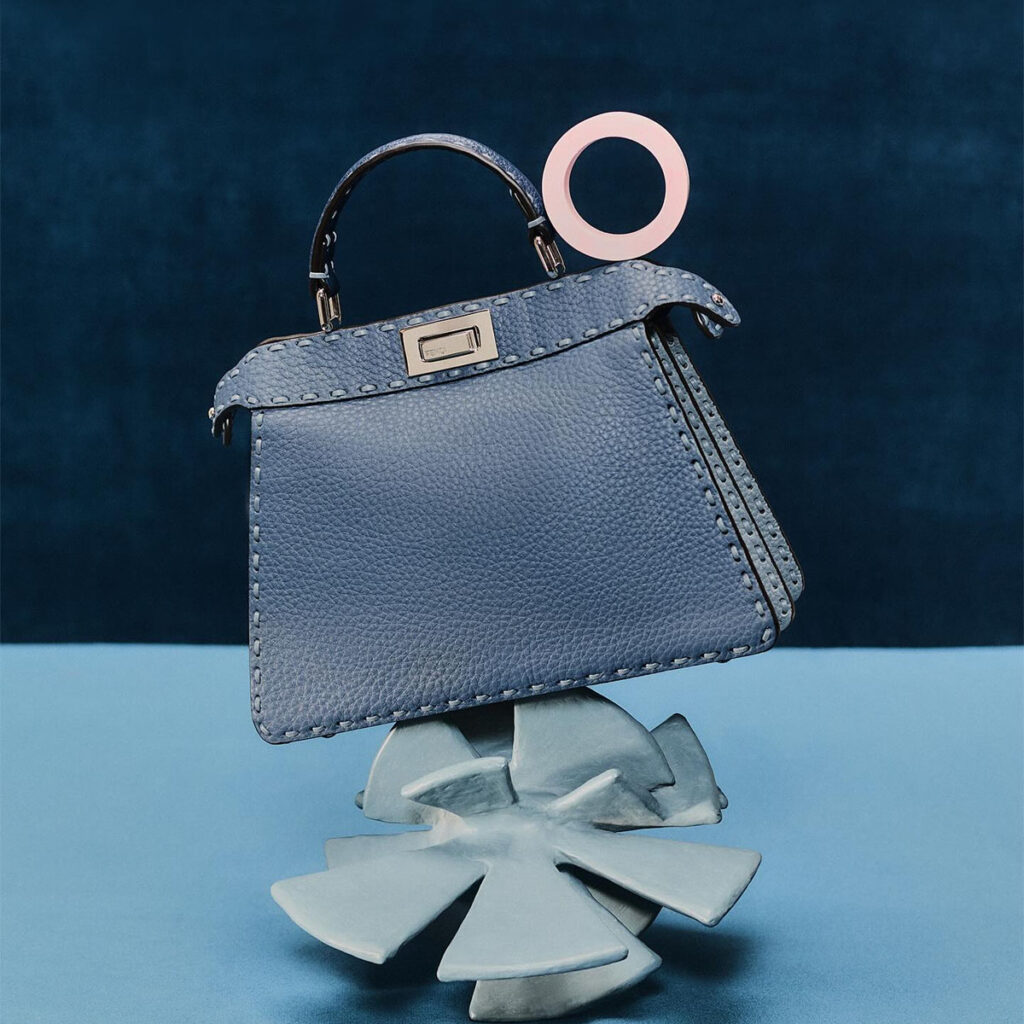
- Limited edition Mini Peekaboo runs, often exclusive to this address
- Watches, eyewear and the emerging fine jewellery line
Unlike rivals that rotate drops weekly, Fendi opts for curation over saturation. A deliberate leaner assortment lends items a sense of permanence. Shoppers know the Baguette or Peekaboo will evolve each season without losing soul, appealing to clients who view purchases as future heirlooms instead of fleeting hype.
Personalisation as Performance
Beyond selling finished goods, New Bond Street invites individuals to imprint themselves upon the brand.
- Made-to-Order bags offer exotic skins, rare hardware and personalised linings, all quoted “price on request” to keep conversations discreet.
- #MyFendiColibrì allows footwear customisation in under an hour, with straps heat-fitted to each foot. Starting at £690, it captures younger demographics seeking social content and immediate gratification.
- Travelling Peekaboo Bar pops up seasonally, turning personalisation into a café-style event where friends compare handle colours over cappuccinos.
These programmes shift the narrative from consumer to co-creator, deepening loyalty and generating organic buzz. Instagram posts of customised bags often out-perform glossy campaign ads, providing Fendi with peer-driven marketing at negligible cost.
Bond Street Competitive Chessboard
Positioned between Gucci’s maximalist fantasia and Hermès’s temple of restraint, Fendi threads a nuanced path. Its Roman backstory distinguishes it from Parisian elegance and Florentine flamboyance. Limited collections underscore craft rather than trend churn, a tactic resonating with a class that values silent recognition over loud logos.
Competitive edges in three lines:
- Heritage with humour – classical materials meet contemporary wit.
- Visible craft – live Selleria demonstrations make artisanship tangible.
- Focused range – scarcity supports perceived value and resale strength.
Mayfair’s clientele recognises nuance. They reward brands that marry history, creativity and faultless service, criteria Fendi addresses through every design cue, staffing decision and event partnership.

Cultural Pulse Drives Brand Heat
Fendi understands that bricks and mortar matter only when animated by culture. Since opening on New Bond Street in 2014, the house has orchestrated a steady roll-call of red-carpet moments to keep headlines fresh and social feeds buzzing. Cara Delevingne clutching a crystal Peekaboo at the launch dinner, Hayley Atwell lighting the winter windows last November, Rita Ora laughing with Silvia Venturini Fendi at a June soirée celebrating women in music – each appearance folds celebrity capital into the store’s marble shell. The strategy is transparent yet effective: showcase star power, invite London’s style press, stream every second to TikTok and Weibo, then watch appointment requests soar.
Events rarely end at champagne and flashbulbs. The Peekaboo Project auctioned bespoke bags by Gwyneth Paltrow and the late Zaha Hadid, raising funds for Kids Company and earning philanthropic goodwill. Pop-up craft bars turn personalisation into theatre, inviting passers-by to test leathers, snap selfies, and tag #FendiMayfair. In a neighbourhood where exclusivity can feel chilly, these open-door activations create warmth and approachability without diluting prestige.
Local Activations Sustain Relevance
The house knows that fashion capitals run on seasonal rhythm, so it layers community-minded events between high-profile parties. During London Craft Week this spring, master artisans demonstrated Selleria hand-stitching at neighbouring Sloane Street before shuttling to Mayfair for private masterclasses. Curious visitors tried their hand at waxed linen thread, discovering how 200 stitches hold a Peekaboo panel together. A short walk away, the boutique offered a New Bond Street-only Mon Trésor bucket bag in powder pink shearling – the kind of geographic exclusive that sparks “only in London” social chatter.
Partnerships with The Royal Academy of Arts and Somerset House exhibitions strengthen cultural cachet, while capsule windows timed to Frieze London ensure art-loving collectors step inside after the fair closes. The cadence reads like a concert set list – peaks, pauses, surprise encores – calibrated to keep footfall humming all year.
Client Journey Beyond the Sale
Step inside and hospitality feels effortless. Fresh lilies scent the entrance, a concierge warms visitors with a linen-wrapped ginseng tea, and display lighting softens to flatter knit textures. Yet the real magic lives in human interactions. Each Client Advisor manages a compact book of regulars, building dossiers that record preferred meeting times, birthday traditions, even interior colour schemes for clients eyeing Fendi Casa pieces at Harrods. Staff schedule Zoom previews of runway looks, then ring buyers the moment trunk shows land. This choreography shortens decision timelines and positions Fendi as a taste mentor rather than a mere seller.
After-sales care, however, exposes the limits of control. Logistics hubs in Italy or the Netherlands handle repairs and returns, introducing bureaucratic layers that can frustrate London shoppers accustomed to fast resolutions. A mis-labelled parcel or delayed buckle replacement risks puncturing the in-store glow. Recognising the weak link, management recently installed a dedicated repairs liaison desk at the boutique. Early signs suggest turnaround times are shrinking, but consistent monitoring remains essential to protect loyalty in the post-purchase phase.
Economic Impact on Mayfair
Luxury retail keeps Mayfair humming on multiple fronts. Property firm CBRE estimates prime Bond Street rents touch £2 200 per square foot, a figure sustained by houses like Fendi willing to bankroll immersive flagships instead of plain showrooms. The boutique employs around 40 staff, from multilingual sales experts to logistics coordinators, and commissions local artisans for seasonal window schemes. Tax-free spend from Middle Eastern and Chinese visitors flows into surrounding cafés and five-star hotels, reinforcing a supply chain that stretches from pastry chefs at The Wolseley to drivers idling on Berkeley Square.
London & Partners data shows that every £1 spent in a luxury Mayfair store generates £0.67 in adjacent hospitality revenue. Fendi’s decision to integrate WeChat Pay and Alipay nudges that figure upward, coaxing high-net-worth tourists to settle bigger bills before flying home. In turn, Westminster City Council can justify further pedestrian-friendly upgrades such as widened pavements and discreet security patrols. These improvements benefit retailers and residents alike.
Strategic Outlook
New Bond Street never sleeps, but it does shift. Rising interest rates, currency fluctuations and evolving tourist flows all influence spend. Fendi tackles volatility through three levers:
- Digital-first storytelling – By livestreaming capsule launches on Weibo and hosting NFTs linked to limited bags, the house cushions against physical footfall dips caused by travel restrictions.
- Sustainability investment – A new initiative to trace leather supply back to Italian farms equips staff with transparent data, meeting the ethical scrutiny of Gen Z shoppers comparing carbon footprints.
- Experiential diversification – Plans filed with Westminster last month propose a top-floor private dining salon where chefs will pair Parma ham crostini with Bottega bubbles during trunk shows, deepening emotional bonds that pure e-commerce cannot reach.
Challenges remain. Competitors refresh storefronts faster than planning regulations once allowed, TikTok drives micro-trends lasting weeks not seasons, and a nervous global economy could temper discretionary spend. Yet Fendi’s lean assortment, agile event calendar and commitment to Roman craft offer resilience. The address is more than retail; it is a canvas where brand, customer and city paint each other’s future.
Conclusion
New Bond Street may glitter with heritage names, but Fendi secures its own spotlight by marrying historic Roman artisanship with London’s appetite for constant reinvention. The flagship works less as a shop, more as a stage where accessories become characters, clients become collaborators and every purchase writes another chapter in a shared story.
If you stroll through Mayfair this weekend, pause beneath that Murano chandelier. Feel the hum of clock hands shaping patterns, hear leather shears snip inside the made-to-measure room, catch a whisper of espresso steam. Luxury here is not loud, nor is it timid. It is a conversation between centuries, spoken fluently in stone, glass and thread. As Londoners say when something feels effortlessly fitting, “That sits just right.”


