There are hundreds of dermatology clinics dotted all around London, from small independent practices to large multi-site groups and hospitals. So, whether you’re looking for a simple check up or specific treatment, finding the right dermatologist can feel quite overwhelming with so much choice. Knowing what to look for will help you narrow down your options:
Check qualifications
The very first thing to do with any medical clinic is to verify whether they are properly registered and qualified. Unfortunately, there are many ‘self-taught’ practitioners who offer treatments without any medical background and dermatology, in particular, is a common area for this. One of the most immediate red flags are dermatologists who offer their services from environments that are not properly sanitised or suitable for certain treatments (e.g. kitchen at home).
In the UK, all dermatologists should be listed on the General Medical Council (GMC) specialist register, which confirms they have completed the necessary training and hold recognised credentials. You can also check whether the clinic itself is regulated by the Care Quality Commission (CQC), an organisation that assesses the safety standards and hygiene protocols of businesses.
Most clinics will happily disclose all of this on their website, proudly sharing the qualifications of their staff as well as any accreditations or certificates the clinic holds. If such information is difficult to find, then perhaps take it as a sign to keep searching.
Look at areas of expertise
Dermatology covers a broad range of concerns, from acne and eczema to skin cancer screening and cosmetic procedures. Not every dermatologist specialises in the same areas, so it’s helpful to identify a clinic whose expertise matches your specific needs.
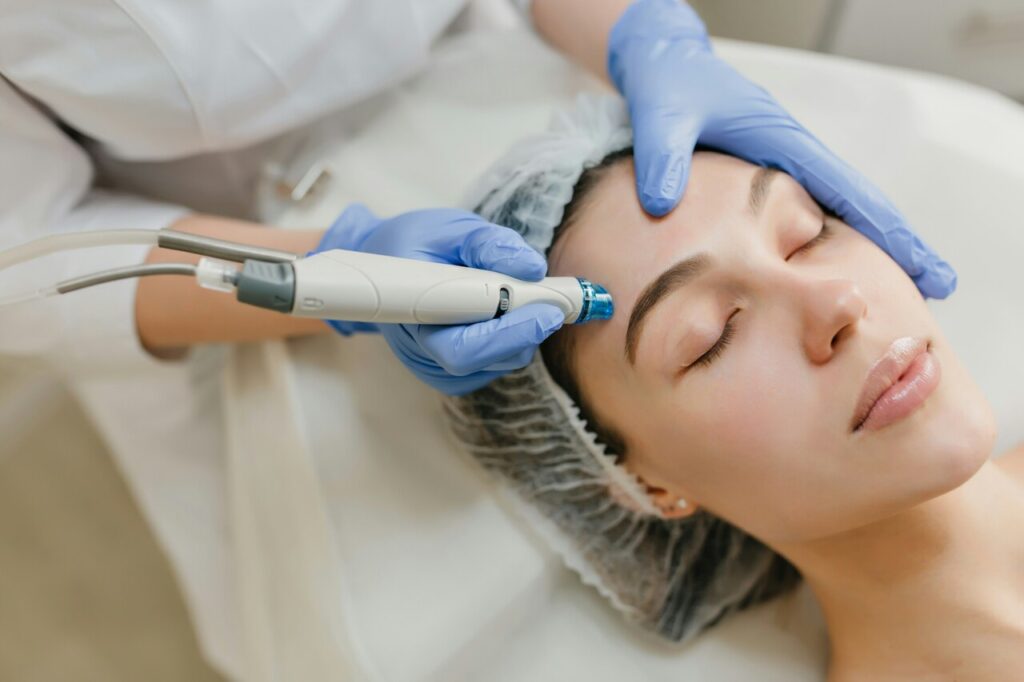
Some clinics tend to focus on medical dermatology only (acne, rosacea, psoriasis, etc.), while others, such as De Felipe London, combine clinical expertise with aesthetic treatments (rejuvenation, age spots, hair loss, laser treatments, etc.). The variety of services offered by a clinic does not really tell you about its quality as such, but rather the type of skillset and technology they have available.
You can normally find the list of treatments available on the clinic’s website or by calling the reception. Ideally, all of the pricing should also be transparent and easily accessible, allowing you to compare the costs and choose the right option for your budget.
Read patient testimonials
People’s experiences with a dermatologist might not tell you the full story, but they certainly give you a good idea on who to avoid. You can check online reviews on platforms like Google Business listings or Trustpilot. If you have a rare or highly specific condition, it might be worth checking online forums and communities for recommendations.
However, always look beyond the star ratings and read the actual reviews. In particular, you want to find information about the quality of communication, how thoroughly a dermatologist explains treatment options, the aftercare provided and similar.
Trust your gut feeling
Once you decide to give a clinic a go, pay attention to how the initial consultation feels. A good dermatologist should take the time to listen to your concerns and answer your questions, without making you feel rushed into a decision. You should leave your appointment with a clear understanding of your treatment options and equipped with all relevant information.
But if, at any point, something feels off, don’t be afraid to say no. The goal is to find a specialist who is not just knowledgeable, but makes you feel safe and comfortable too.


