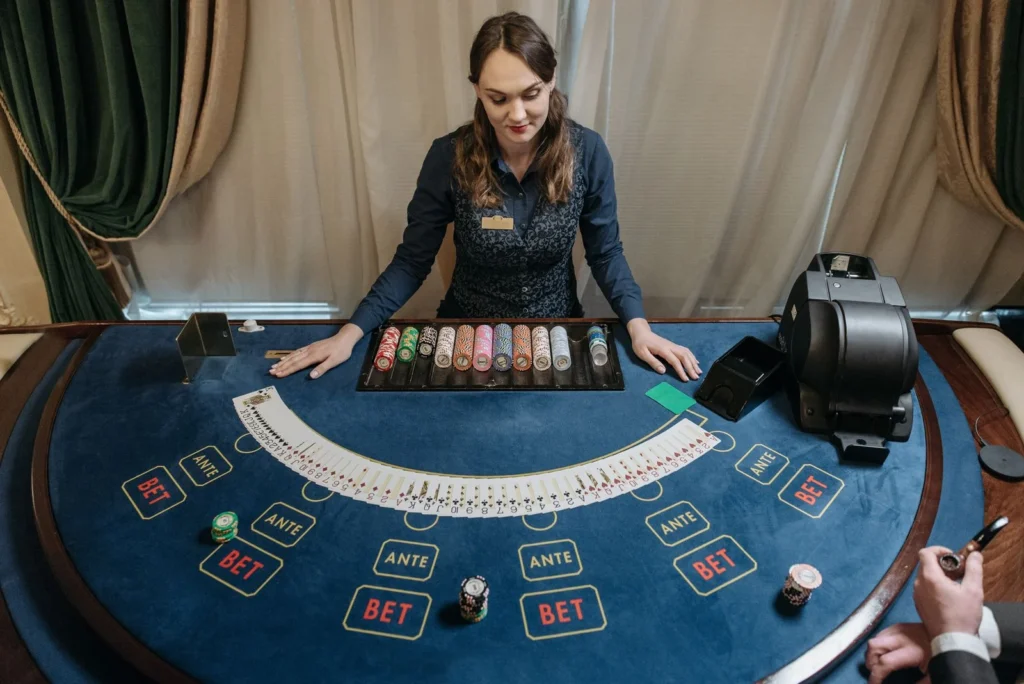
Few neighbourhoods in the world are as closely linked with the casino as Mayfair. For more than sixty years, the streets between Park Lane, Piccadilly and Berkeley Square have been home to private gaming clubs where the evening was as much about the dining room and the conversation as the tables themselves. In 2026, that culture is still alive in Mayfair, but it has also found a second home on the phone in your pocket.
A tradition built on members’ clubs
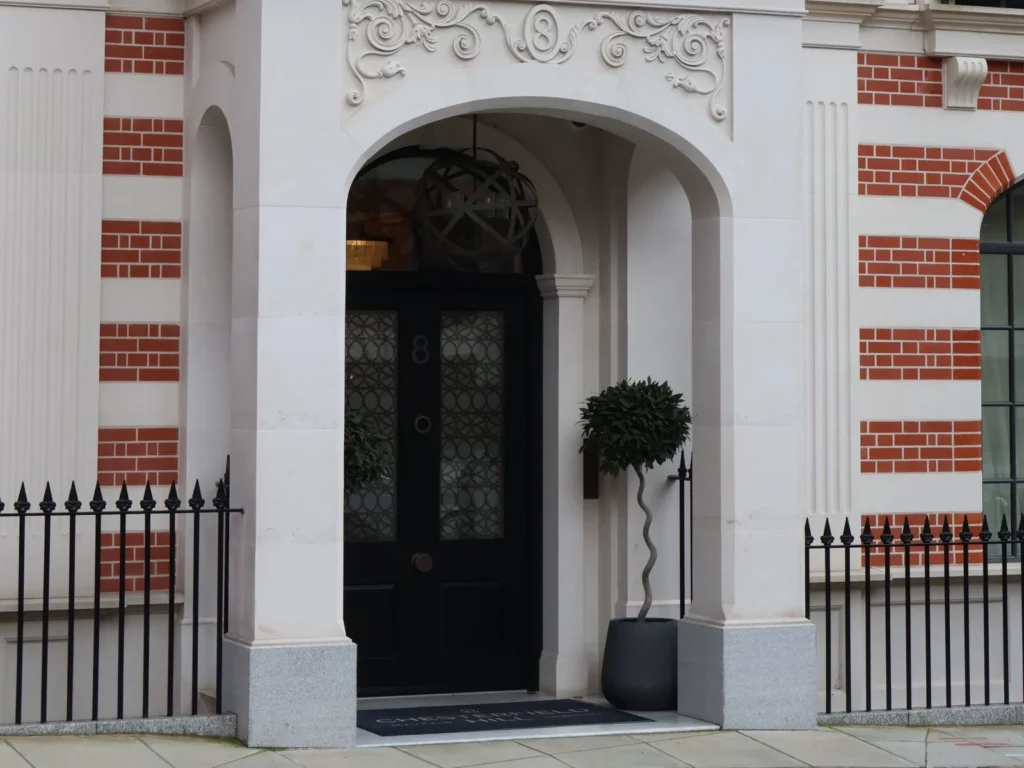
Modern casino gaming in Britain dates from the 1960s, when the law first allowed regulated gaming clubs, and the Gaming Act 1968 set the framework that shaped them for decades. Mayfair, with its Georgian townhouses and long history of gentlemen’s clubs, was a natural home. Several of London’s best-known gaming clubs opened in grand houses around Berkeley Square and Curzon Street, where membership, dress codes and discretion were part of the appeal.
The model was simple. A club offered a small number of tables, a fine restaurant and an atmosphere that felt more like a private house than a gaming hall. Roulette, blackjack and baccarat were the staples, and many guests came as much for dinner as for the cards.
What the Mayfair experience was really about
Ask anyone who remembers those evenings and they rarely talk about the games first. They talk about the setting: the staircase, the service, the sense of occasion. A night at the tables was planned in advance, often around a meal or a celebration, and it had a clear beginning and end.
That sense of ritual is worth remembering, because it is exactly what many players now try to recreate at home.
The move online
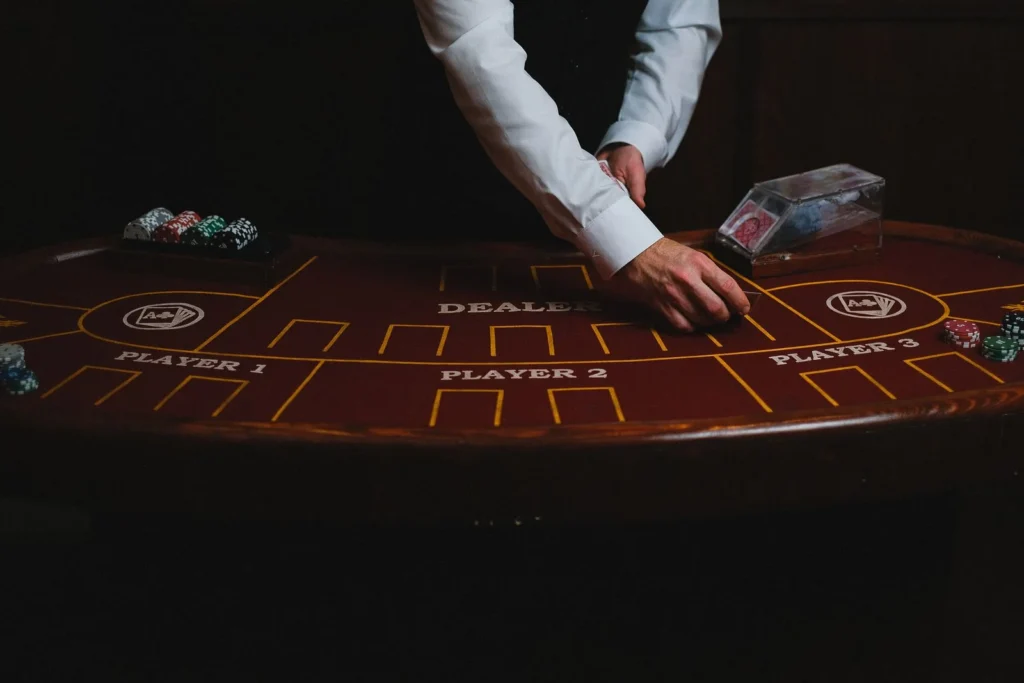
Online casinos arrived in the late 1990s and grew quickly through the 2000s, but the real shift came with smartphones. A live dealer roulette table that once required a membership and a taxi to Berkeley Square can now be streamed in high definition, with a real croupier, from a studio to a phone.
Live casino games have narrowed the gap between the club and the screen. Players can sit at a blackjack table with a professional dealer, chat to the table and watch every card being dealt, at any hour of the day. Game shows, multi-camera roulette and VIP tables with higher limits have all tried to borrow a little of the Mayfair atmosphere.
What today’s players look for
The way players choose where to play has changed too. In the club era, reputation travelled by word of mouth. Today, players compare sites in a few minutes before they sign up, and the questions they ask are practical:
- How quickly are withdrawals paid? For many players this matters more than any welcome offer.
- What are the bonus terms? Since January 2026, wagering on bonuses for British customers has been capped at 10 times the bonus, which has made offers far easier to compare.
- Which payment methods work? Card, e-wallet and Open Banking options all behave differently.
- Is there a live casino worth playing? Dealer quality and table limits vary widely.
With a steady stream of new casino sites in the UK, side-by-side comparisons that test withdrawal times with real money have become a popular way to cut through the marketing.
Bringing the Mayfair approach home
The best lesson from Mayfair’s clubs has nothing to do with the games. It is the idea of an evening with a plan: a set budget, a set time, and the meal or the company as the main event. Those habits translate well to online play:
- Decide your budget before you start, the way a club guest would decide what to bring for the evening.
- Set a time limit. The club evening ended when dinner did; online, a reality check or session reminder does the same job.
- Treat a bonus as part of the entertainment, not a reason to play longer than you planned.
- Choose quality over quantity. One well-run live table is worth more than a dozen games played in a hurry.
A culture that endures
Mayfair’s gaming clubs are still part of the neighbourhood’s identity, alongside its galleries, auction houses and restaurants. What has changed is that the experience they pioneered, a dealer, a table and a sense of occasion, is no longer limited to a few streets in W1.
Whether at a table in Berkeley Square or on a live stream at home, the principles that made Mayfair’s clubs special still apply: play for the experience, keep it within your limits, and know when the evening is over. Anyone who wants to talk about their gambling can get free, confidential support from GamCare on 0808 8020 133.