
Luxury wellness has always found a home in Mayfair. From private members clubs with cutting-edge recovery suites to boutique clinics offering the latest in skin and performance technology, the neighbourhood has long been a barometer for where high-end health culture is heading. One of the treatments increasingly appearing in premium wellness settings globally is red light therapy, and in Australia, access to this technology is undergoing a significant shift as clinical-grade devices move into the home.
From Clinic to Home: The Red Light Therapy Shift
Red light therapy, known scientifically as photobiomodulation, uses specific wavelengths of red and near-infrared light to work at a cellular level. The light penetrates the skin and is absorbed by the mitochondria, the energy-producing structures inside cells, triggering an increase in adenosine triphosphate production. The downstream effects include reduced inflammation, accelerated tissue repair, improved circulation and stimulated collagen synthesis.
Until recently, accessing these benefits required booking appointments at dermatology clinics, sports medicine facilities or high-end wellness centres. The cost and inconvenience of repeated visits placed the technology firmly in the premium tier. That is changing rapidly. Advances in LED and laser manufacturing have made it possible to produce home-use devices that deliver wavelengths and irradiance levels consistent with those used in published clinical research, at a fraction of the cost of ongoing clinic attendance.
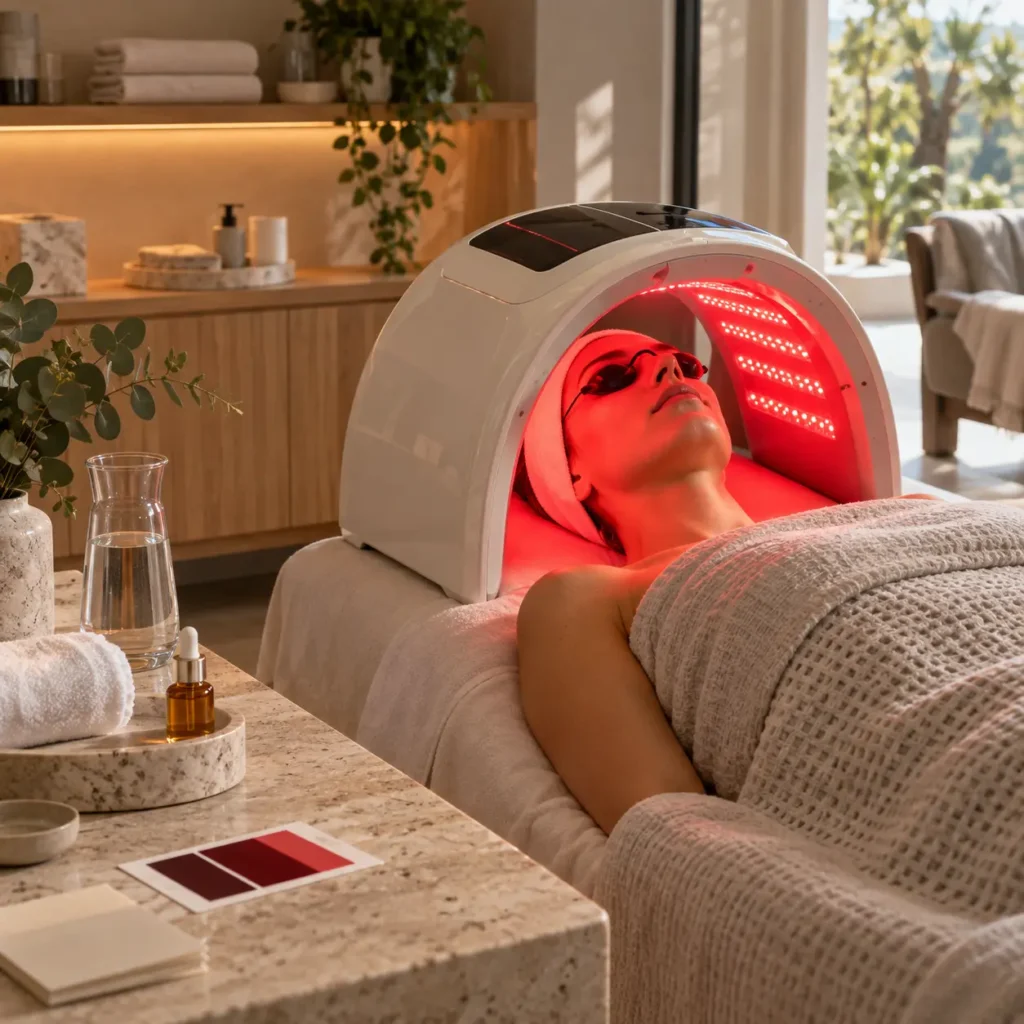
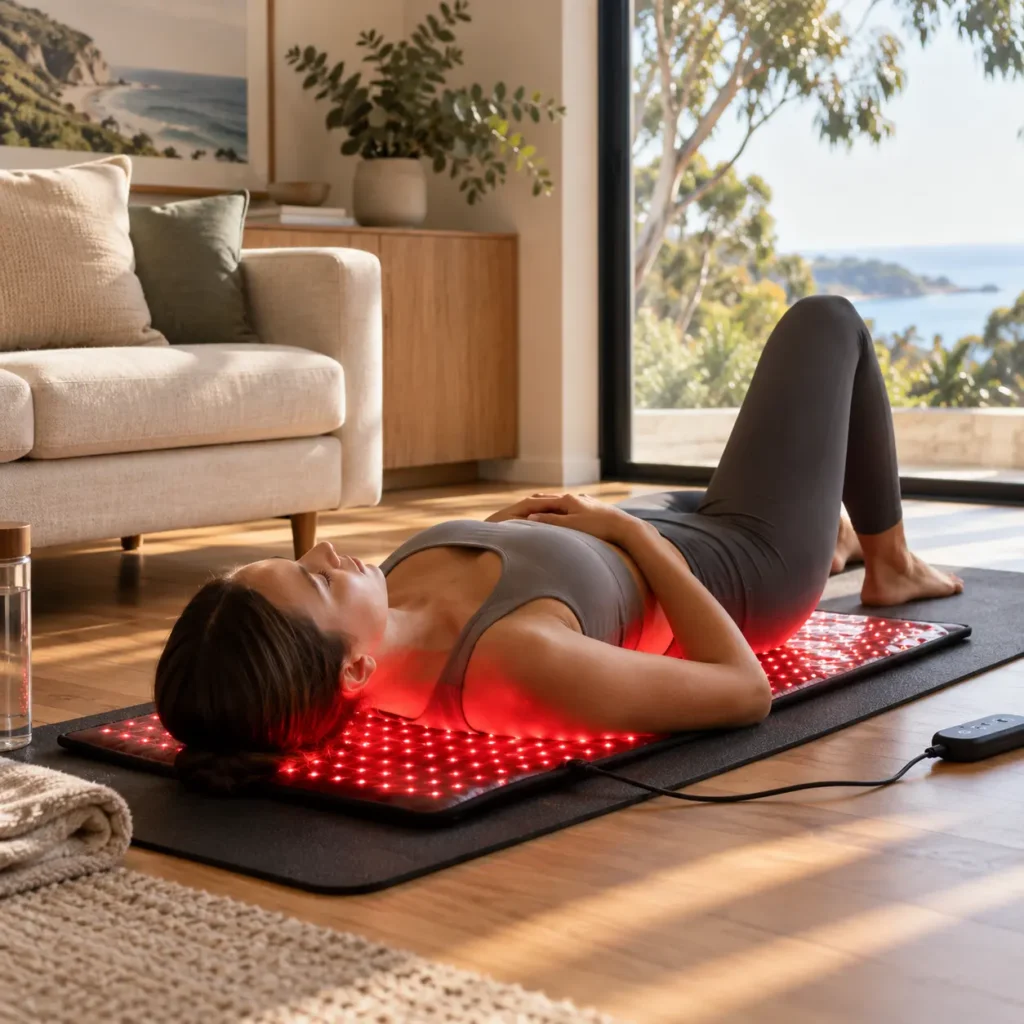
In Australia specifically, the market for red light therapy australia home devices has grown considerably, with StreamShop Australia emerging as a leading supplier of home-use panels, mats and full-body beds. The company was also the first to bring 1064nm full-body laser technology to the Australian consumer market, a wavelength that penetrates significantly deeper into tissue than conventional red light devices and has historically been confined to clinical settings.
What the Research Supports
The evidence base for red light therapy spans several well-studied applications. In skin health, a randomised controlled trial published in Photomedicine and Laser Surgery found statistically significant improvements in skin complexion, collagen density and overall skin tone in a treated group compared to controls. A 2013 study in the same journal found measurable reductions in fine lines and improved skin texture following consistent near-infrared treatment.
In muscle recovery, research published in Lasers in Medical Science found that pre-exercise red light therapy significantly reduced post-exercise muscle soreness and fatigue compared to a control group. A systematic review published in the British Journal of Sports Medicine found moderate-to-strong evidence for the use of low-level laser therapy in the treatment of musculoskeletal pain.
Researchers have also examined the technology’s effects on sleep quality. One study found improvements in both sleep quality scores and serum melatonin levels in participants following evening red light therapy sessions, a finding consistent with the known non-suppressive effect of red wavelengths on melatonin production, in contrast to blue-spectrum light from screens and overhead lighting.
Device Quality and What to Look For
Not all red light therapy devices are equivalent, and the distinction matters for consumers making purchasing decisions. Key variables include spectral accuracy, which refers to how closely the device’s actual output matches its stated wavelengths, irradiance, which measures the power density delivered to tissue at a standardised distance, and build quality, which affects consistency of performance over time.
Manufacturers who publish their irradiance figures alongside the methodology used to measure them allow for meaningful comparison against the parameters used in published research. Those who rely on marketing claims without supporting technical data are more difficult to evaluate. For consumers serious about results, transparency in device specifications is one of the more reliable indicators of quality.
In Australia, regulatory considerations also apply. Devices that meet clinical standards can be listed as Class IIa medical devices under the Therapeutic Goods Administration, reflecting a higher threshold of safety evidence and quality assessment than general consumer wellness products. StreamShop Australia’s range includes options across different categories, designed to suit different budgets, treatment goals and levels of technical sophistication.
The Appeal for Australian Consumers
Australia’s combination of an active outdoor lifestyle, a strong wellness culture and geographic distances that make repeated clinic visits impractical for many residents has created a particularly receptive market for home-use red light therapy technology. The ability to access the same wavelengths and irradiance levels used in clinical research, in a device that fits into a daily home routine, represents a meaningful shift in how preventative health technology reaches consumers.
StreamShop Australia’s range covers multiple formats, from targeted panels for specific treatment areas to full-body mats and beds for systemic recovery and whole-body near-infrared exposure. Sessions typically run 10 to 20 minutes, require no preparation and can be incorporated into morning or evening routines without disruption.
A New Standard in Accessible Wellness
The broader narrative in premium wellness is one of democratisation. Technologies that were once confined to Harley Street clinics or exclusive members facilities are increasingly available in refined home formats that deliver comparable results at a fraction of the ongoing cost. Red light therapy is one of the more compelling examples of this trend, backed by a genuine and growing evidence base and now available in formats suited to daily home use.
For those with an interest in evidence-backed wellness technology, the developments in the Australian market offer a useful signal of where accessible luxury health tools are heading globally. As device quality continues to improve and the research base deepens, red light therapy is likely to become a standard fixture of the serious home wellness routine in the same way that high-end fitness equipment and sleep technology already have.


