
More Than a Menu
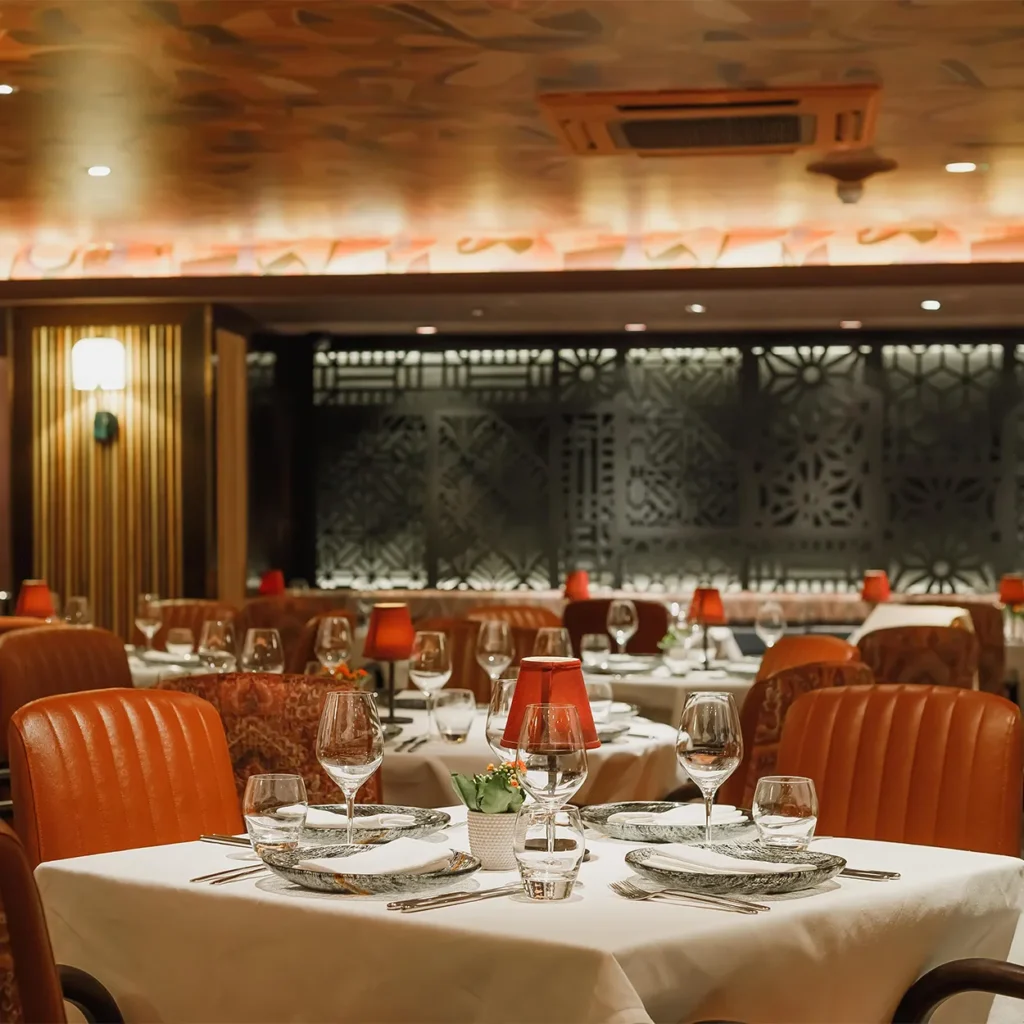
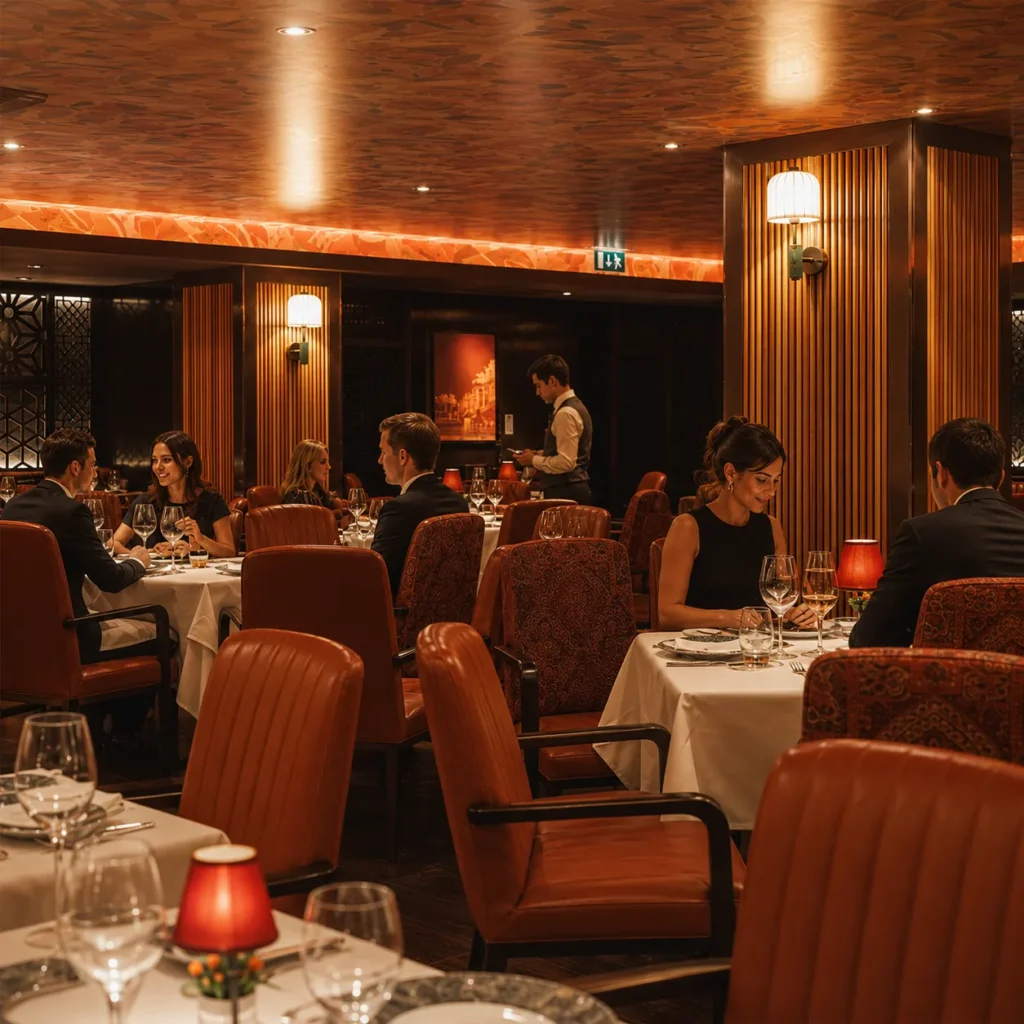
There is a difference between a meal and an experience. Most restaurants aim for the former. A tasting menu, done well, delivers the latter. At Benares Restaurant in Mayfair, the tasting menu is not simply a longer version of dinner. It is a carefully constructed journey through flavour, technique, and culture, designed to unfold in a particular order for a particular reason.
Understanding why requires looking not just at what is on the menu, but at how it is assembled.
Where It Begins
Every tasting menu at Benares Restaurant opens the same way: with street food. Before the courses arrive, before the kitchen begins to show its full range, guests are offered a selection of Indian street food-inspired bites. It is a deliberate, meaningful choice.
Street food in India is not a lesser version of restaurant cooking. It is the foundation of it. The flavours that appear in the most refined dishes at Benares Restaurant have their roots in the food sold from carts and stalls on the streets of cities like Varanasi. By beginning there, the tasting menu acknowledges that heritage directly. It tells you where the food comes from before it shows you where it is going.
Building Through the Courses
From that starting point, the menu moves through a sequence that balances contrast and continuity. The Oyster and Sea Bream Chaat follows: cured sea bream with Carlingford oysters, roasted raw mango panna, and spiced masala boondi crisps. It is a dish that sits at the intersection of British coastal produce and Indian technique, and it sets the tone for much of what follows.
The Chicken Jhol Momo brings cornfed chicken dumplings with foie gras in a fragrant lime and turmeric broth. The Hiran Boti Tikka offers fallow deer fillet with green chili, moringa leaves, and garlic crème fraîche. Each dish introduces a new ingredient, a new technique, a new flavour register, while remaining part of the same coherent conversation.
The progression is not arbitrary. Lighter dishes come early. Richer, more complex preparations follow. By the time the main courses arrive, the palate has been prepared for them.
The Role of Pairing
The tasting menu at Benares Restaurant is available with a full pairing option, and it is worth understanding what that adds to the experience. Each pairing is chosen not simply to complement an individual dish but to enhance the overall arc of the meal.
A Riesling Kabinett from the Mosel brings crisp acidity to the Oyster and Sea Bream Chaat, balancing the brine of the oysters and the tang of the mango. A Condrieu from the Rhône Valley pairs well with the Chicken Jhol Momo, its stone fruit and floral notes balancing the richness of the foie gras. By the dessert course, a Vin de Constance from Klein Constantia in South Africa arrives alongside the Rasmalai; honeyed and fragrant, it mirrors the dish’s rose and cardamom notes without overwhelming it.
The pairing is, in this sense, a parallel narrative running alongside the food. Two stories told at the same time, each making the other more interesting.
How It Ends
The final course of the Benares Restaurant tasting menu is petit fours. It is a classic conclusion, and again, a considered one. After the intensity of the preceding courses, the meal closes quietly. A few small bites to bring the experience to a gentle end rather than an abrupt one.
It is the kind of detail that separates a tasting menu from a list of dishes. At Benares Restaurant, the thought given to how a meal ends is the same as the one given to how it begins. The result is an experience with shape; a beginning, a middle, and an end that feel earned.
The tasting menu at Benares Restaurant is priced at £135 per person, with paired options available at £129. It is offered for the entire table, with a vegetarian menu available on request.