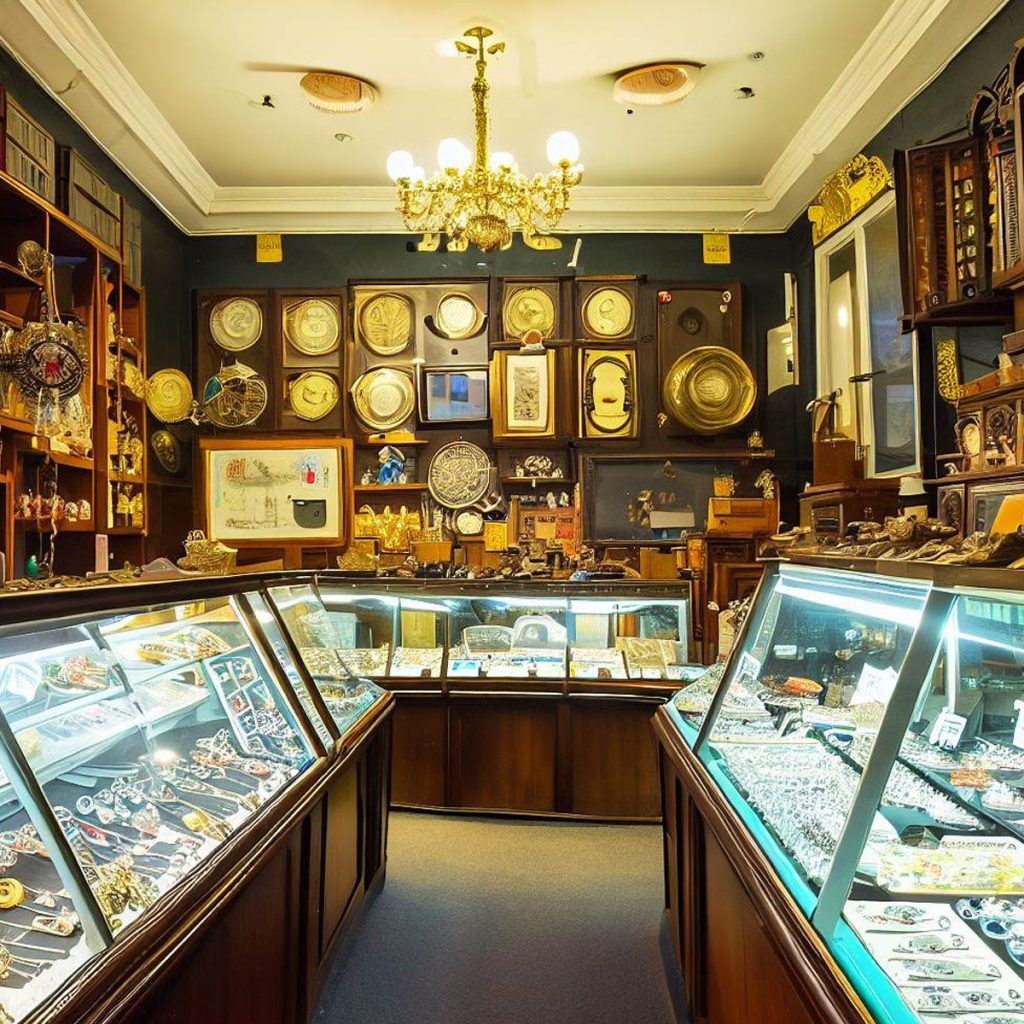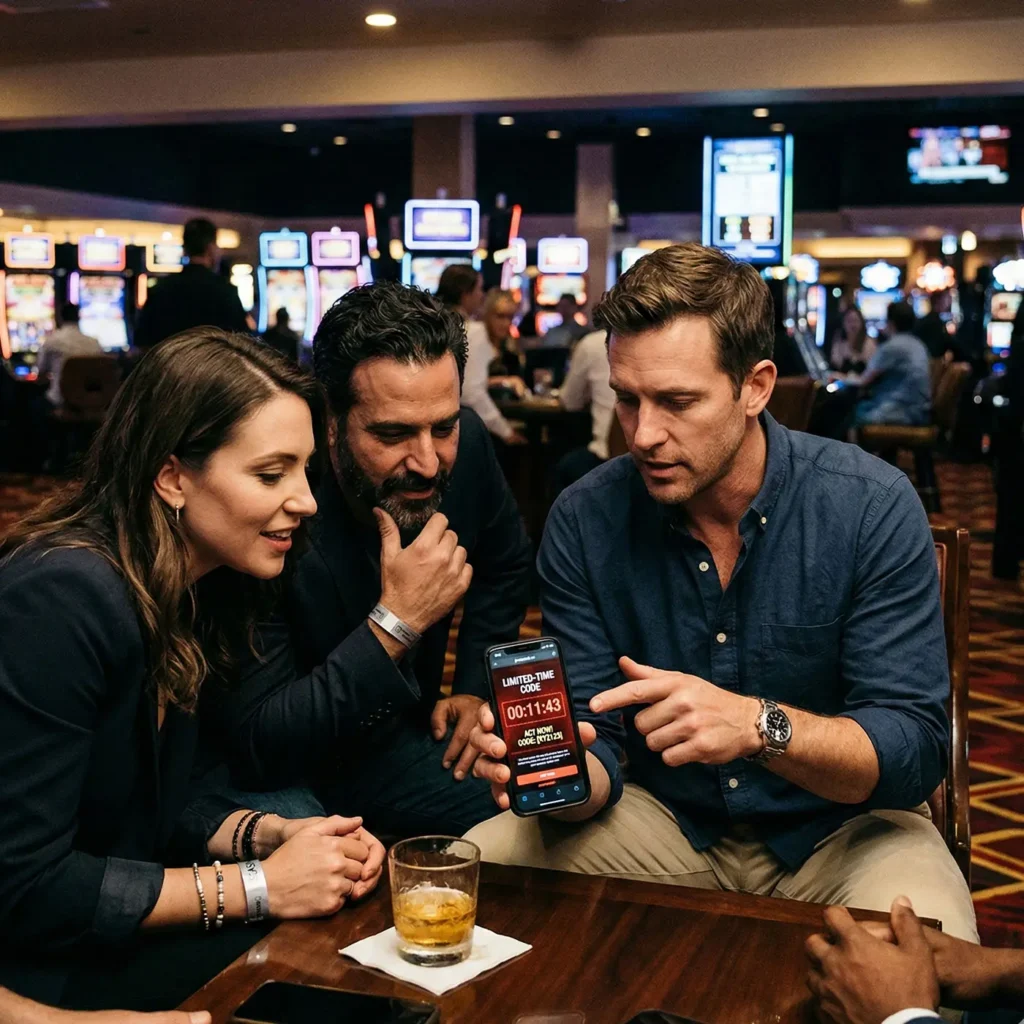
Imagine walking into the shiny depths of a Bond Street boutique: the warm lighting, champagne service, the silent luxury. Now imagine the upstairs room of The Ritz Club or Aspers Stratford’s private suite—different settings, same energy. Both have a curated exclusivity, velvet-rope access, and the heady thrill of indulgence.
Luxury brands and casinos operate in distinct sectors, but they speak to the same customer base. From limited-edition handbags to black-chip poker tables, the product is prestige.
At the heart of it, people aren’t just chasing luxury, they are chasing a feeling. The feeling of being seen, singled out from the many, and admired. That’s what these brands and casinos understand, and it is why their audiences keep coming back.
The Psychology Behind Prestige
Luxury goods and casino chips offer a similar experience. With every high-end watch or spin on a roulette wheel, there’s a psychological drive for status and escape. New findings, both from behavioural science research and Harvard Business Review, show how these industries are taking advantage of the brain’s reward system. Anticipation packs the mind with dopamine and tells one to make choices that feel exhilarating in the now.
Perceived scarcity seals the deal. Lustrous casino jackpots and “only 5 left” product tags make it seem urgent. Consumers react by spending fast, not because they’re reckless, but because they don’t want to be left out. This strategy is cross-cultural and cross-class since everyone wants to belong and win.
It’s the same concept in raffle competitions, where people from all walks of life wish to become the sole exclusive winner of a prize. They may not be wealthy, but winning a prize makes them feel like they are. For those interested in how this strategy is used in digital competitions and prize-based marketing, check out Real Raffle to see a platform that taps into this psychology by turning opportunity into exclusivity.
The fear of missing out (FOMO) and instant gratification are no marketing jargon as well, they’re sharp implements. A VIP casino invite or even a “limited drop” of a new fashion release tells exclusivity. That sense of rarity increases value, compelling people to do more to belong to something rare and elite.
Studies in consumer psychology show that high-value purchases are often tied to how customers view themselves and how they want to be viewed. This isn’t just about impulsive behaviour, it is about identity. In casinos, that might mean placing big bets, while in luxury, it might mean wearing something only 50 people in the world own.
Shared Marketing Playbook
Whether it’s Harrods offering a private styling suite or a high-end casino in Mayfair rolling out the red carpet for a returning high-roller, the message is the same: you’re not ordinary, you’re an elite.
Influencer marketing is central to this approach. British celebrities and personalities like Maya Jama and Anthony Joshua use their presence to help brands and casinos tap into the blend of aspiration and authenticity. It is simply about being seen in the right places, wearing the right watch, sipping the right drink, or betting at the right venue.
There’s also the loyalty angle. Brands like Burberry now run invitation-only programmes with perks that feel more personal than promotional. Casinos have their version: comped stays, private games, and curated dining experiences, which are all designed to make high-value guests feel irreplaceable.
Even digital-first platforms have caught on. Casino apps and fashion brands alike are building loyalty ecosystems that reward not just spending, but engagements from sharing on social media to attending exclusive virtual events.
Both industries rely heavily on data to deliver these moments. In luxury retail, clienteling has become essential not just for service but for shaping high-end experiences tailored to the individual. According to Forbes, store associates are now empowered with real-time, intuitive data tools that allow them to access everything from purchase history to fabric preferences. This instant access lets them make customers feel seen and valued, whether through personalised promotions or timely perks. Online casinos use similar CRM systems to tailor bonuses, game invites, and even customer service tone.
It’s less about mass marketing and more about making one person feel like they are the only ones that matter.


Access Over Ownership
Both industries sell more than products — they sell proximity. The allure lies in having access to something others don’t. You may never own a Mayfair penthouse or a private jet, but a designer handbag or a members-only casino invite hints that maybe, just maybe, you’re part of the club.
The idea of “access” is also redefining success. In both casinos and luxury retail, the goal isn’t just acquisition but a symbolic entry. From invite-only products to private blackjack tables, what’s being offered is entry into a performance of privilege.
This is why many consumers today are willing to rent luxury or spend money on experiences over physical goods. In the casino world, that translates to fly-in weekends and curated events. In luxury, it’s shopping appointments, front-row shows, or digital experiences no one else sees.
The Quiet Power of Prestige
In the UK, much like anywhere else in the world, wealth isn’t distributed equally. Reports show that the top 10% of households possessed 57% of the nation’s wealth, while the bottom 50% owned less than 5%. When it comes to serving the top 10%, true prestige isn’t noisy, it moves with intention. A corner table at a private casino in Knightsbridge or the quiet confidence of a custom Burberry trench shows status. Casinos and luxury brands both understand this unspoken language. They provide something bigger than opulence. They provide belonging.
Traditional exclusivity isn’t cutting it anymore. The best luxury and gaming experiences now thrive in privacy. Private previews, unlisted tables, and anonymous hosts. These details keep prestige just out of reach, and that’s exactly the point.
With digital and physical worlds smudged together, the thing that doesn’t change is the emotional gravitational force of being chosen and noticed. That’s the lasting connection between luxury brands and casinos: curated access, wrapped in experience.