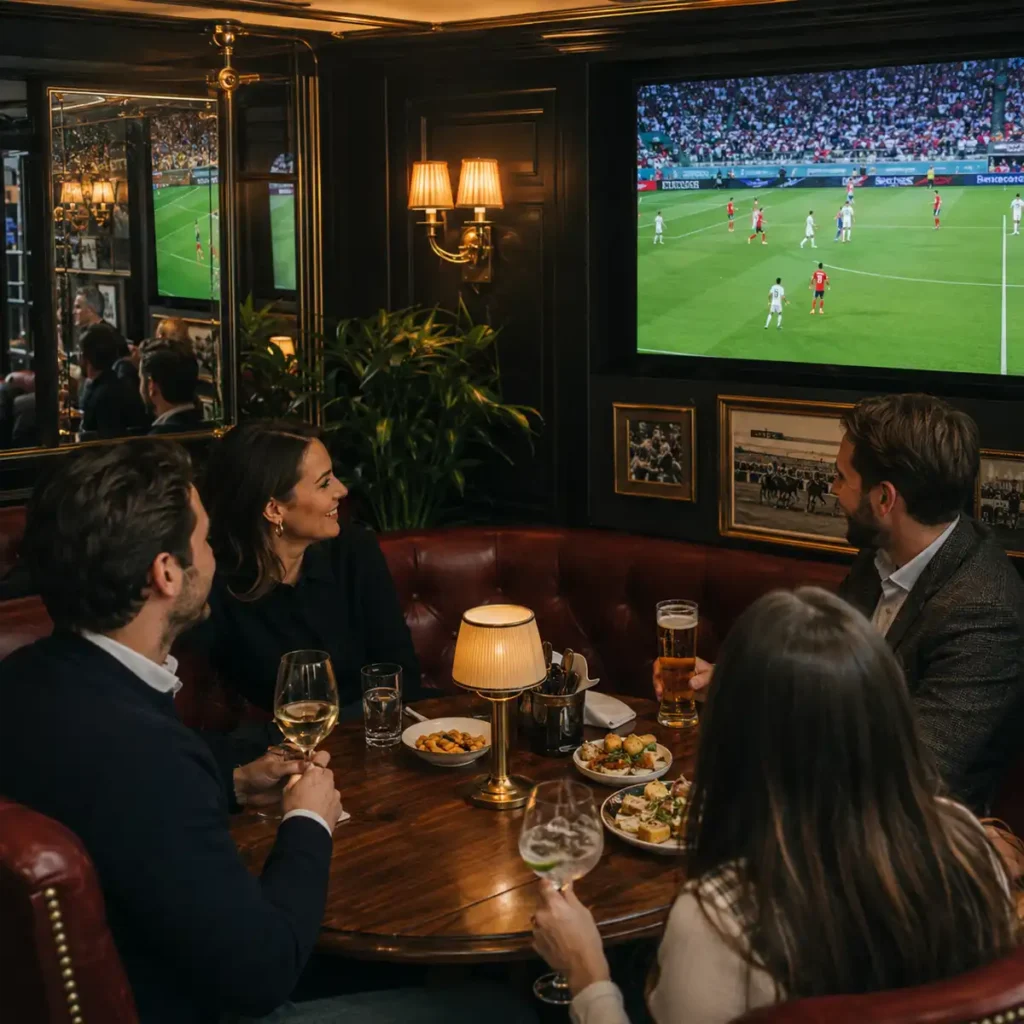
London has always maintained its own distinct identity within global luxury hospitality, one shaped by centuries of tradition, restrained elegance, and an instinct for understatement. What is changing, gradually but perceptibly, is the appetite for something more theatrical. A growing number of the city’s most prominent venues are borrowing from the entertainment philosophy that made Las Vegas famous, not to imitate it outright, but to incorporate its core logic: that an evening out should engage all the senses and leave very little to chance.
The Aesthetic Blueprint London Is Borrowing
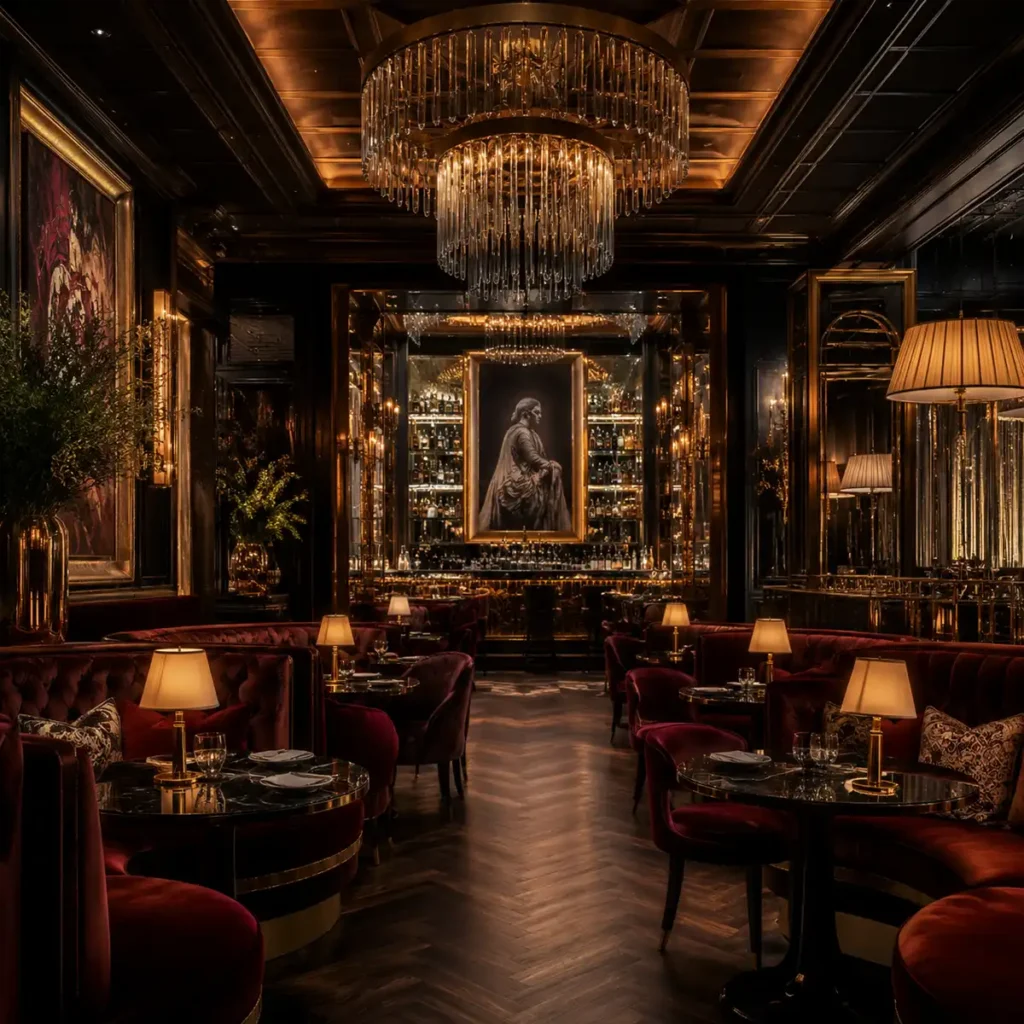
The visual grammar of Las Vegas, dramatic chandeliers, deep upholstery, low ambient lighting, and interiors designed to feel both intimate and imposing, has proved remarkably transferable. London’s high-end venues have long understood how to create atmosphere, but the specific combination of scale, sensory detail, and deliberate grandeur that defines the Vegas aesthetic offers something different.
The same visual language that distinguishes a Las vegas online casino environment, where opulence signals invitation rather than exclusivity, has begun shaping how certain London interiors approach lighting schemes, floor layouts, and material choices. The result is a new type of interior that feels simultaneously familiar to an international audience.
Where Exclusivity Meets Entertainment
The geography of London’s luxury hospitality scene matters. Along the streets of Mayfair, a neighbourhood long associated with private members’ clubs, discreet gaming establishments, and the kind of hospitality that does not advertise itself loudly, the appetite for more visible experiential programming has grown noticeably.
Venues that once competed primarily on the quality of their wine lists or the celebrity of their chefs are now investing in live entertainment, theatrical service concepts, and immersive evening formats. The shift is not a departure from Mayfair’s core identity so much as an evolution of it, one that acknowledges a new generation of high-spending guests.
The All-in-One Evening as a New Standard
What Las Vegas perfected, arguably better than anywhere else in the world, is the concept of the self-contained evening destination. Guests arrive, and every element of the night is managed under one roof: dinner, entertainment, gaming as a form of leisure, and late-night programming that makes leaving feel premature.
London venues are increasingly replicating this model, though at a smaller scale and with a notably different sensibility. The underlying logic remains the same. The appeal is practical as much as aspirational: a guest who does not need to coordinate multiple venues across a city is a guest who stays longer, spends more, and is more likely to return.
Performance and Atmosphere as Commercial Assets
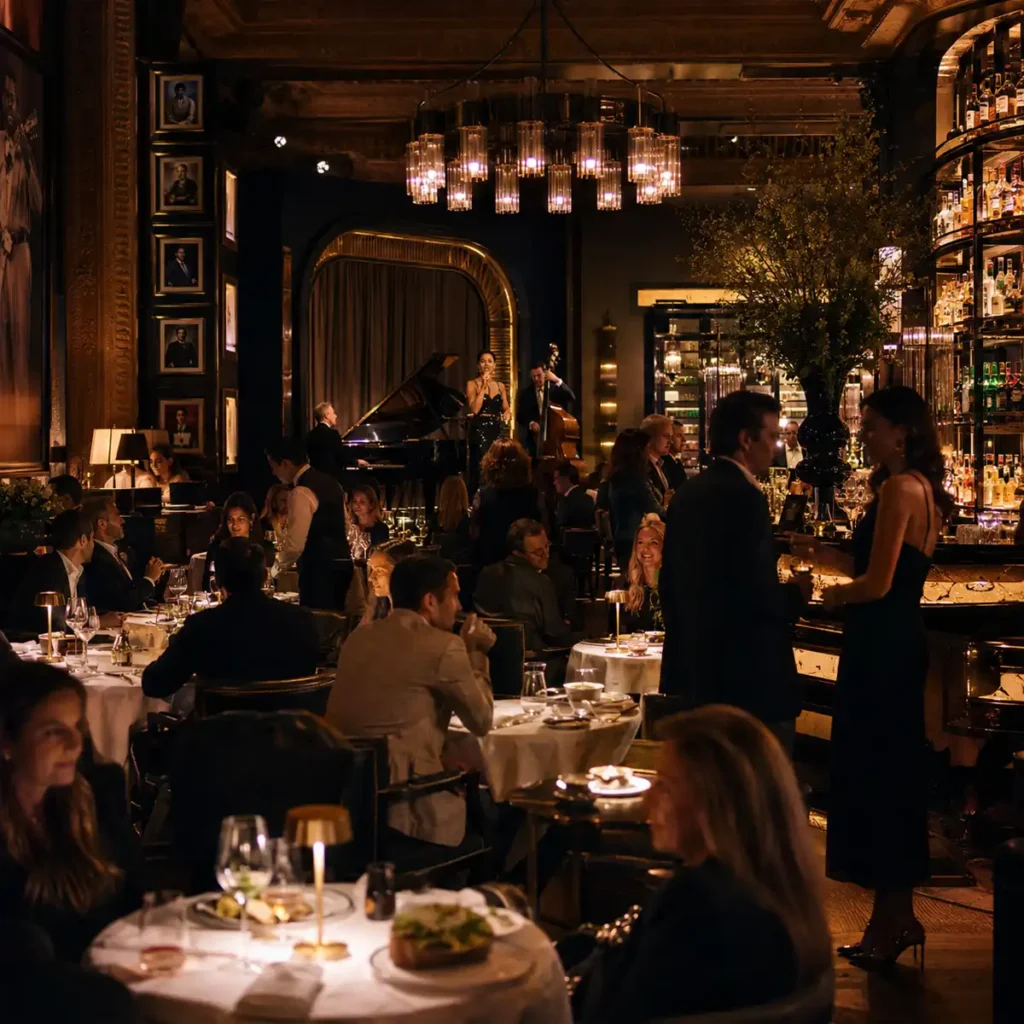
Live entertainment has become one of the defining investments for London’s upper tier of venues. The logic behind it follows closely from the Las Vegas model: performance creates energy, energy extends the evening, and extended evenings produce higher per-guest revenue.
But the specific form that entertainment takes in London’s luxury context tends to differ from the Vegas spectacle. Rather than headline residencies or large-scale productions, many London venues are investing in smaller, more intimate formats, from jazz trios and cabaret performers to immersive theatrical dining concepts that blend food service with narrative experience.
International Tourism Is Accelerating the Shift
London’s luxury hospitality sector draws from a genuinely international audience, and that demographic has shaped demand in a particular direction. Visitors from the Gulf states, East Asia, and North America tend to arrive with expectations formed by some of the most intensively designed hospitality environments in the world.
A guest who regularly visits Vegas, Macau, or Dubai does not arrive in London hoping for a scaled-down version of those experiences, but they do arrive with a calibrated sense of what premium feels like. London venues that can meet that expectation, on their own terms and without abandoning what makes the city’s hospitality distinctive, are the ones attracting repeat international custom.
The Limits of the Comparison
For all the borrowing of aesthetic and programmatic ideas, London’s luxury venues are not becoming Las Vegas. The cultural and physical context is entirely different, and most operators are acutely aware of that distinction. Vegas was built around volume, spectacle, and the maximisation of guest time within a single complex. London’s luxury market is more fragmented, more tradition-bound, and ultimately more interested in curation than saturation.
The best outcomes will come from venues that understand both cities well enough to take from one without losing the other. What is being imported is not a philosophy but a set of tools, and how selectively they are applied will determine which venues lead the next chapter of London’s hospitality story.