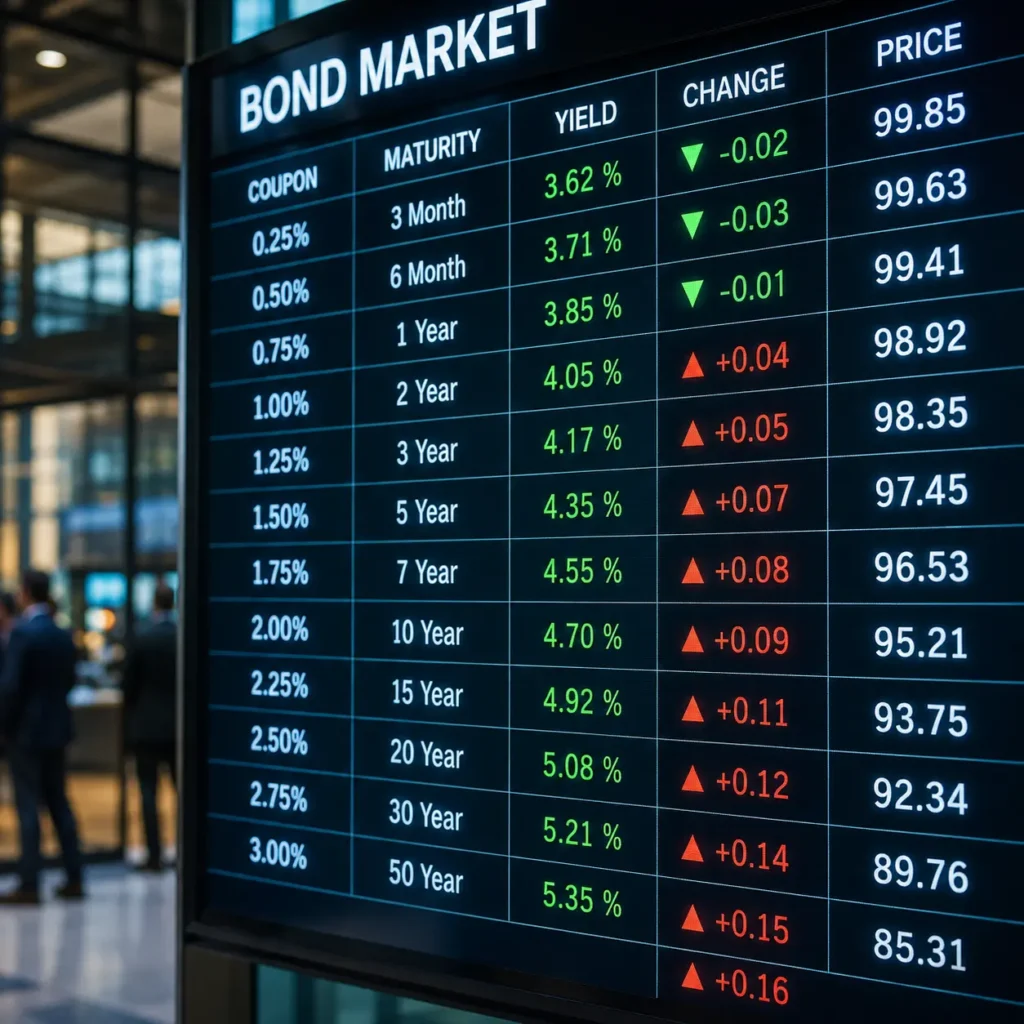
The financial markets have been anything but stable since the start of 2025. The contract for difference (CFD) market, in particular, has experienced sharp swings as investors react to trade uncertainties, policy changes, and fluctuating interest rates. This uncertainty has also shown up in other corners of the economy, including London’s luxury property sector. Although the connection isn’t immediately obvious, the behaviour of traders and investors in turbulent times often influences how capital flows into real estate, especially at the top end of the market.
Overview of CFD Market Volatility in 2025
2025 began with sharp volatility across global financial markets due to renewed geopolitical tensions and ongoing trade uncertainties, particularly from the U.S. side. These early shocks unsettled investors and caused noticeable market swings in CFD trading. In January, the FTSE 100 fell more than 4% in a single week, reflecting a wave of caution.
Since then, some areas have rebounded strongly. By August, the FTSE All-Share Index had posted a 14.5% return, marking one of its best performances in years. Commodities have also been in the spotlight. Gold reached a record high above $4,000 per ounce, as investors piled into safe-haven assets amid lingering economic uncertainty.
Bitcoin followed a similar path. It surged past $125,000 for the first time and climbed as high as $125,835, gaining over 33% since the start of the year. The sharp rise has reignited the debate around Bitcoin as a modern store of value, often drawing comparisons to gold.
Despite these strong performances, the broader market mood remains uneasy. Traders are steering unpredictable swings across equities, commodities, and digital assets, all of which translate into heightened volatility in the CFD market.
Traders’ Behaviour and Investment Shifts in London
In uncertain markets, investors often adjust their strategies. Some cut their losses and wait for calmer conditions. Others move capital into assets they believe will hold their value better. This change in behaviour can be seen across London’s investment community.
According to a recent Knight Frank report, there’s been a noticeable uptick in interest from private investors looking to move funds into tangible assets, especially those that offer a sense of long-term security. Luxury property in London has historically been seen as a safe store of value, but not without its own risks.
Impact on Mayfair and Other Prime London Property Markets
Even with this renewed interest, the luxury property market isn’t seeing the kind of heat it did in the years before Brexit. In fact, sales of ultra-prime properties, those priced above £10 million, have declined by roughly 35% compared to last year, according to data from LonRes. Many homes in Mayfair, Chelsea, and Kensington are sitting on the market longer, with sellers adjusting their expectations.
Part of this slowdown is linked to changes in buyer profiles. Some overseas investors, particularly those who had been active in international property markets, are holding back. This isn’t only due to financial losses in the trading world, but also because of changing government policies. Recent tax changes, including the planned phasing out of non-dom status, have made it less attractive for certain foreign nationals to purchase UK property.
Still, not all areas are cooling in the same way. While sales have slowed, luxury lettings have picked up. High-end rentals, properties leasing at £1,000 per week or more, have seen a 20% rise in demand in early 2025. This suggests that many high-net-worth individuals prefer to rent for now, keeping their capital liquid while markets remain uncertain.


Financial Strategies Influencing Real Estate Demand
In times of market stress, the strategies used by private banks and wealth managers change. A growing number of advisers are steering clients toward low-risk alternatives and encouraging a more balanced mix of investments. For some clients, that means reducing exposure to leveraged products like CFDs. For others, it means shifting portions of their portfolios into fixed assets, including commercial and residential property.
Real estate, especially in markets like London, continues to serve as a hedge against volatility. Even if price growth is slow, the asset remains visible, insurable, and rentable.
Some buyers are also timing the market. These rare discounts create opportunities for investors with cash on hand to pick up prime properties at slightly better prices than last year.
Future Outlook: Linking Market Trends to Luxury Property Prices
Looking ahead, the luxury property market in London may not see the rapid growth of earlier years, but it remains deeply tied to global financial behaviour. The CFD market, with its quick gains, often reflects the mood of risk-tolerant investors. When that mood turns cautious, as it has in 2025, capital tends to flow in more measured and strategic ways.
This doesn’t mean luxury property prices will spike. If anything, the outlook is more restrained. But as market volatility continues, and as more investors pull back from speculative assets, property may gain renewed attention, not as a place to make fast profits, but as a place to wait out the storm.