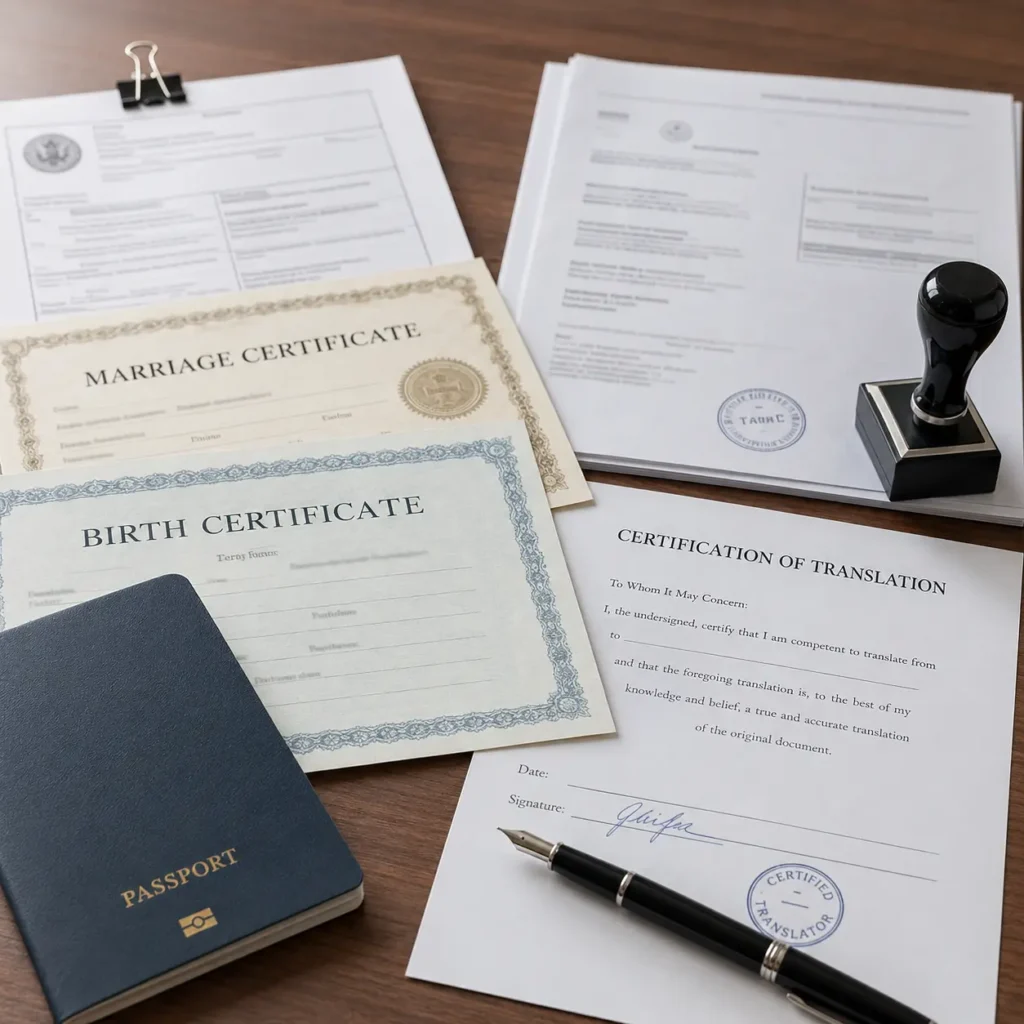
Immigration papers are no simple task. It can be the difference between an application’s development moving forward and getting stuck on an entirely avoidable issue. Immigration authorities in the U.S., Canada, the European Union, and other countries have specific guidelines for the handling of foreign-language documents. A certified translation is not a direct translation of a source document. A professional translation, accompanied by a signed statement of accuracy, from a qualified translator and formatted in a way that is acceptable to the government agency to which you are submitting your application.
The search for a reliable provider is complicated by the sheer number of services operating today. Some are properly staffed, experienced with government documentation standards, and consistent in their output. Others use the word “certified” loosely, without actually meeting the requirements immigration agencies impose. Identifying a trustworthy provider before submission – rather than discovering the problem after a rejection notice – is worth every bit of effort it takes.
Why Certification Standards Determine Real Outcomes
An immigration officer or consular official would be looking for certain features when they review a translated document: they would see a certification statement signed by the translator, information about the translator, such as their credentials and contact details, and a formal declaration that the translation is complete and accurate. If any of these elements are missing, then the loan may be rejected, or they may ask for further proof, which can take weeks or months. Services like Rapid Translate, which built its platform around the compliance requirements of immigration documentation specifically, include this certification step in every order as a default rather than an upsell. That approach reflects a meaningfully different service philosophy than generalist providers who offer certified translations as a secondary option.
Accuracy in this context extends well beyond vocabulary. Names, dates, addresses, and legal terminology must be rendered consistently between the source document and the translation. A misformatted birth date or an omitted middle name – details that seem trivial – can prompt clarification requests from agencies that have little tolerance for ambiguity. It’s precisely this level of precision that makes experience with official documentation, not just bilingual fluency, the standard worth demanding from any provider you consider.

Five Certified Translation Companies for Immigration Submissions
All of these companies have established a brand name in the field of certified translation and their services are directed at immigration, legal, and governmental documentation. They vary in size, delivery option, language support and scope of services, so you will need to match your language needs with the type of documents you are submitting and the timeframe for submitting them.
1. Rapid Translate
Rapid Translate is a 100% online certified translation service that operates in over 60 languages and is based on the types of documents that are needed when applying for visas and residency. The company processes birth certificates, marriage records, passports, police clearance letters, academic records, diplomas and court records. Every translation comes with a signed certificate of compliance to government agencies, including USCIS. Notarization is offered as needed, and expedited turnaround is provided for immediate deadlines. Being online, applicants can prepare applications from abroad without any logistical difficulties or having to visit the physical office of the service.
2. Day Translations
Professional language services provider Day Translations is available 24 hours a day, seven days a week, with global coverage, which is a handy option for applicants who work in different time zones or have short deadlines for submissions. All work is completed by professional human translators and all necessary certification documents are included as standard with the company providing certified translations for a range of documents and language pairs relevant to immigration, legal, and administrative processes. In addition, Day Translations offers assistance with the apostille and document legalization process, particularly for those who have to go through multiple steps to get their documents recognized in another country or jurisdiction.
3. Tomedes
For more than a decade, Tomedes has been serving individual applicants and institutional clients for their professional translation needs. The company offers certified translations in many language combinations, is available 24/7 and guarantees satisfaction. Document types processed include vital records, immigration papers, legal documents, and academic documents, all of which come with a formal accuracy statement. They are a viable choice for those who wish to have the support of an agency with a proven track record.
4. The Language Doctors
Language Doctors is a Washington, D.C.-based certified translation company with a clear and strong emphasis on government and regulatory documentation. The firm collaborates with immigration experts for their documents: birth certificates, marriage licenses, academic credentials, government-issued IDs, and court orders, and provides regular and rush services. They have gained a reputation as a trusted source for immigration lawyers and legal experts who need reliable translations that are ready to submit to immigration authorities. This provider often comes across as a screened referral in the legal immigration community.
5. GTS Translation
GTS Translation is a New York translation agency with a long experience in certified and legal translations for a variety of industries. Certified translations for immigration filings, legal cases and official government documents are provided by the company, using professional human translators for a variety of language pairs. Important documents include identification, government documents, court records, academic certificates, and vital records. Requests for notarization are met, and the company is known for its clear pricing and client intake procedure. Candidates with operational experience in the U.S. have an edge in a practical sense when it comes to U.S. agencies.
Making the Right Choice for Your Specific Situation
Price should not be the driving factor when selecting a certified translation provider for an immigration application. Turnaround reliability, translator qualifications, and whether the certification format genuinely meets the reviewing authority’s standards matter considerably more. A translation that comes back improperly formatted or missing required language will cost more in resubmission delays and filing fees than any upfront savings. Before placing an order with any provider, confirm that their certification documentation aligns with what USCIS, a foreign consulate, or your relevant immigration authority actually requires – that single confirmation prevents the most common and entirely avoidable documentation problem in the entire application process.