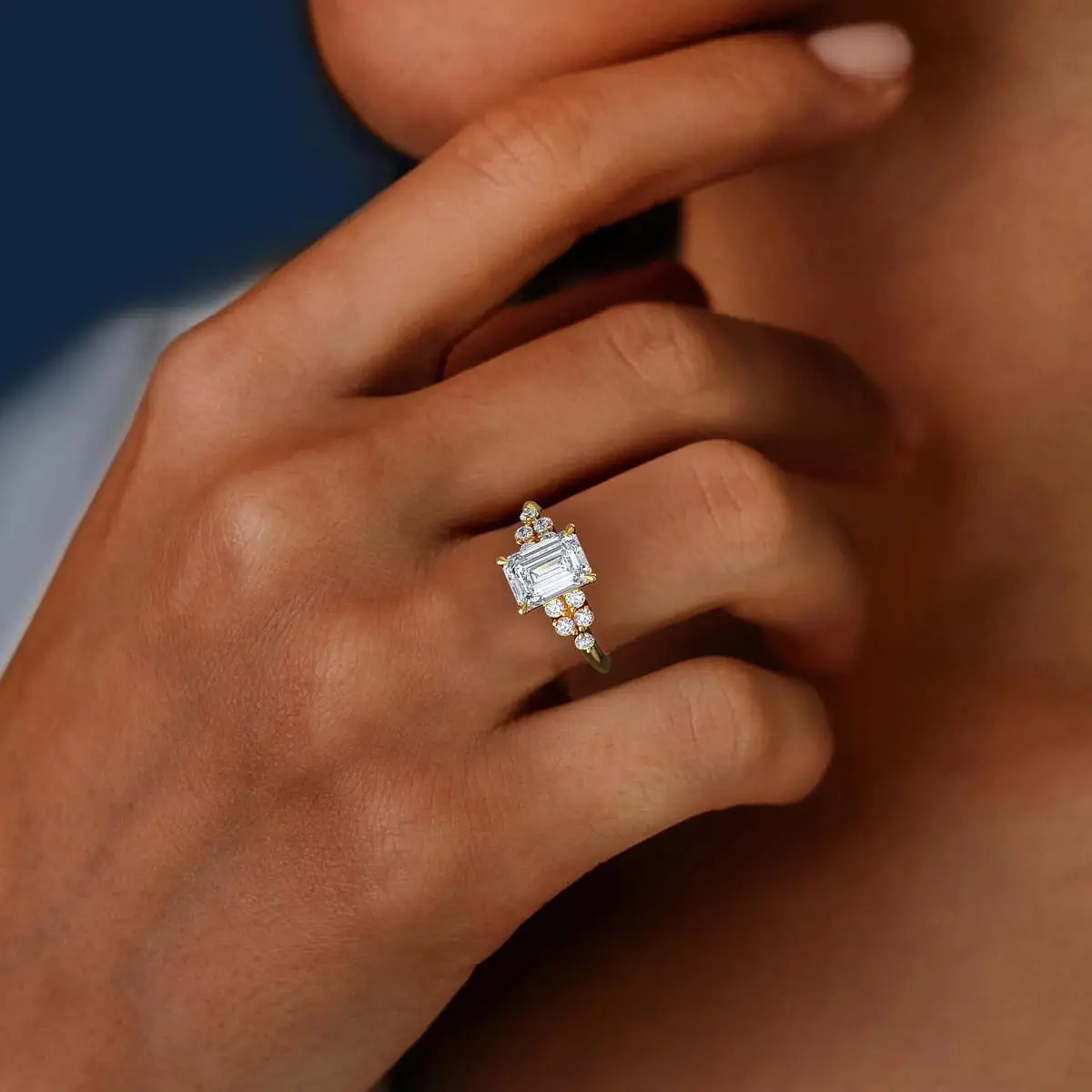
A bespoke dress ring is not a supporting act. It is the lead. It records a chapter of life and sets it in precious metal with intent. Unlike ceremonial pieces, it speaks first to personal taste and individual momentum. Buyers choose it for themselves to mark progress, to recognise hard work, or to honour a shift in identity. That makes the commission both creative and strategic. The process asks for clarity of vision, respect for craft, and decisions that stand up to daily wear. This article explains what a dress ring is, how the idea evolved, what makes a commission truly bespoke, and how a piece is built from first sketch to final polish. It also outlines current tastes, ethics, value drivers, and care so you can plan with confidence and act with precision.
Understand what defines a dress ring in modern jewellery
A dress ring is worn for expression, style, and presence. It is often chosen for the right hand to separate it from marital symbols on the left. The purchase is typically self-directed. Common triggers include promotion, milestone birthday, or a personal goal met. Historic norms framed the category around large coloured gems. Today, the term is broader. A dress ring can be bold or quiet. The constant is agency and intent.
Trace the cocktail ring connection and its enduring influence
Dress ring and cocktail ring share roots. In the 1920s, women in American cities wore oversized rings at private parties to display confidence and financial autonomy during Prohibition. That behaviour set a template for self-purchasing and for jewellery that broadcasts independence. The present-day dress ring inherits the spirit of that stance.
Recognise what makes a ring truly bespoke rather than custom
Custom often modifies an existing design. Bespoke begins with a blank page. The piece is built around one client’s brief and is engineered from the ground up. Decisions about structure, proportion, stones, and finishing are made in sequence with the wearer’s lifestyle in mind. The outcome is singular. No two builds match.
Build on the four pillars of a bespoke commission
Design defines the message. Materials set quality and rarity. Craftsmanship delivers structural integrity and fine finish. Personalisation binds meaning to the object. Together, these pillars create a ring that reads as yours alone.
- Design. Your references, style codes, and symbolism drive the form. Minimal, vintage inspired, or contemporary lines can serve the same goal if they fit the hand and the story.
- Materials. Select 18ct gold or platinum for strength and longevity. Choose stones by colour, cut, clarity, and carat. Heirloom gems can be reset to carry family history forward.
- Craftsmanship. Hand setting, engraving, and precise finishing separate a fine ring from a generic product. The skill at the bench is a direct input into durability and value.
- Personalisation. Dates, initials, or hidden details add privacy and depth. The brief captures why the ring exists. The finished piece preserves that reason.
Learn from design eras that shape modern dress rings
Historical styles help narrow choices. Three periods influence most commissions today.
| Era | Overall aesthetic | Dominant metal | Signature gemstones | Key motifs and techniques |
| Edwardian 1901 to 1915 | Garlands and lace with airy lightness | Platinum | Diamonds, pearls, sapphires | Filigree, millegrain, bows, floral patterns, scrolls |
| Art Deco 1920 to 1935 | Geometric precision with strong symmetry | Platinum and white gold | Diamonds, sapphires, emeralds, onyx | Triangles, squares, circles, calibre cut stones, architectural layouts |
| Mid Century 1945 to 1965 | Sculptural and bold with textured surfaces | Yellow gold | Aquamarine, citrine, amethyst, diamonds | Brushed and hammered finishes, asymmetry, abstract forms |
Fun Fact: Early 20th-century platinum allowed ultra-fine settings that looked delicate yet held stones securely, which changed what was structurally possible in rings.
Follow the making of a bespoke ring from vision to finished piece
- Initial consultation. The jeweller records your story, design aims, practical needs, and budget. Constraints and priorities are set.
- Design development and visualisation. Sketches establish proportion and flow. CAD then refines geometry and shows realistic views from all angles.
- Model creation and approval. A wax or resin model confirms height, spread, and comfort on the hand and allows final adjustments before casting.
- Casting and handcrafting. The approved model is cast in precious metal. Filing, shaping, and seat cutting prepare the mount for setting.
- Gemstone setting and finishing. A master setter places each stone to maximise light return and security. Polishing progresses through multiple stages for a crisp final surface. Final checks confirm alignment, tolerance, and stability.
Select gemstones with quality and ethics in mind
Stone choice decides much of a ring’s mood. It also sets standards for transparency. Work with a jeweller who uses laboratory grading from GIA and Gem A for diamonds and who provides detailed notes for coloured stones. Expect clear disclosure of treatments and origin where known. Ethical practice encompasses conflict-free diamonds under the Kimberley Process, responsible mining practices, and traceable supply chains. Recycled precious metal and Fairtrade gold strengthen the story. Lab-grown diamonds offer consistent quality, verifiable origin, and strong value for size.
Include options that fit your taste and how you live. Sapphire, ruby, and diamond suit frequently worn. Opal and emerald can still be used with protective settings and informed care.
Hear the bench perspective on beauty engineering and originality
At the bench, art meets engineering. A ring must look balanced from every angle, sit low enough for daily tasks, and carry stones with correct support. The underside matters as much as the face. Makers often add discreet details only you will know. Innovation sits in proportion, light play, and unexpected textures as much as in rare stones. The best work feels inevitable when finished.
Understand the 2025 market for bespoke jewellery and rings
Personalised luxury continues to expand in the UK and worldwide. Forecasts place the UK jewellery market at about £7.8 billion in 2025, with a compound annual growth rate near 13.1% from 2024 to 2030. The average UK spend per person is projected to be around £76.67 in 2025. Global revenue for customised jewellery is projected to rise from about USD 36.98 billion in 2025 to roughly USD 76.24 billion by 2030 at a projected 15.68% CAGR. Millennials and Gen Z drive much of this demand. Growth in men’s jewellery broadens the base. Interest in ethical jewellery and lab-grown diamonds accelerates adoption.


Identify the dominant design trends shaping commissions today
- Statement scale. Chunky forms and generous gem sizes return. Rings that command attention anchor a look.
- Colour. Demand for saturated stones remains high. Ruby, sapphire, and emerald lead, while tourmaline and opal add character through varied palettes.
- Meaningful codes. Zodiac references, engraved lines, and symbolic motifs let a ring read like a personal signature.
- Mixed metals and textures. Yellow with white, brushed beside polished, and organic finishes add depth. Younger buyers mix stacks without concern for matching sets.
- Day to night utility. Pieces that dress up or down win. Clean geometry with one focal stone works across settings.
Prioritise ethical and sustainable choices that support provenance
Most buyers now expect clarity on sourcing. Brands that publish traceability for stones and metal earn trust. Choosing recycled gold, Fairmined or Fairtrade certified options, and an audited diamond supply improves the chain. The strongest stories link a personal moment with responsible materials and skilled local craft.
Measure value collectibility and legacy for future heirloom potential
A bespoke ring stores value in more than metal and stones. Craftsmanship, rarity, and narrative all add weight. Fine bench work multiplies worth because it protects stones and keeps surfaces crisp after years of wear. A one off piece is rare by definition. That scarcity supports future resale or appraisal. Emotional value grows as the piece marks family events and moves between generations.
Antique examples draw value from period, condition, rarity, and documented ownership. Auction results from leading houses provide market signals. Contemporary commissions take value from verified material quality, design complexity, execution, and maker reputation. In both cases, exceptional craft is the baseline. Without it, other factors fade.
Care for your ring so it lasts for generations
Daily habits protect settings and surfaces. Remove rings before exercise, gardening, or cleaning. Avoid contact with bleach, chlorine, hairspray, perfume, and abrasive products. Put jewellery on last and take it off first. Store each piece separately in a soft lined box or pouch. Ensure significant pieces are valued up to date.
Hardness varies by stone. Clean hard gems like diamond and sapphire with warm water, mild washing up liquid, and a soft brush. Keep steam or ultrasonic cleaning for stones that tolerate it and let a professional handle anything delicate. Antique pieces with foil backs should not be immersed.
Schedule professional checks at least once a year. A jeweller will look for loosened claws, worn seats, and stress at joins. Early fixes prevent loss.
Gemstone care and durability index
| Gemstone | Mohs hardness | Durability for daily wear | Recommended cleaning method | Key vulnerabilities |
| Diamond | 10 | Excellent | Warm soapy water with soft brush, ultrasonic generally safe | Rare chipping from sharp impact, thermal shock |
| Sapphire or ruby | 9 | Excellent | Warm soapy water with soft brush, ultrasonic generally safe | Acids and extreme heat |
| Emerald | 7.5 to 8 | Good with care | Mild soapy water with soft brush only, no ultrasonic or steam | Impact, heat, temperature change, chemicals |
| Aquamarine | 7.5 to 8 | Good | Warm soapy water with soft brush | Can be brittle and heat sensitive |
| Tourmaline | 7 to 7.5 | Good | Warm soapy water with soft brush | Heat can shift colour, hard knocks can mark |
| Opal | 5.5 to 6.5 | Fair with careful wear | Damp lint free cloth, no chemicals, no soaking, no ultrasonic | Drying, cracking, scratching, heat sensitivity |
| Amethyst or citrine | 7 | Good | Warm soapy water with soft brush | Fading with prolonged heat and sunlight |
Conclude with clarity on how to start your commission today
Start with purpose. Define what the ring should say and how you plan to wear it. Set a budget that reflects the materials and the skill you expect. Choose a maker whose work shows precision and thoughtful engineering. Ask for clear drawings, accurate models, and transparent sourcing. Build slowly and decide once. Measure twice and cut once applies as much at the bench as it does in the studio. A well-planned custom jewellery UK commission becomes an heirloom that records your progress and projects your taste with quiet certainty.