
I love natural movement in hair. It adds an element of dimension to an overall look and has the added bonus of being able to manipulate the movement to create a certain natural look on the face. Natural hair is an element that can add a relaxed feel to a more structured look. A great hair choice can add personality to a minimalist dress or a relaxed finish to a more structured look. It can also allow for a transition from sharp clothing to something with a bit more personality. Natural waves have the ability to be both structured and loose at the same time and are a great option for someone who would like a look that is put together but not overdone.
The Appeal of Texture in Modern Fashion
Texture has always played a role in the dichotomy between structured and relaxed elements within fashion. Structured clothing such as a tailored coat can create defined shapes, whilst relaxed elements such as flowey fabrics can create fluidity. Hair can also create this duality. Textured waves can add a tactile element to an otherwise minimal style – a tailored suit with a white shirt can be made more the wearer’s own with the addition of waves.
A wave creates some room for imperfection. This is part of what makes a wave so appealing as it creates something that appears more artistic and less heavily made up. Looser waves can work within minimalist daytime looks but more defined curls can add flair to an evening look. The hair should work alongside the clothing and not against it.
A textured hair style can work within a contemporary city look that may transition from a coffee meeting in the morning to dinner or a gallery later that day. With a textured hair style there is less need to switch styles for these transitions.
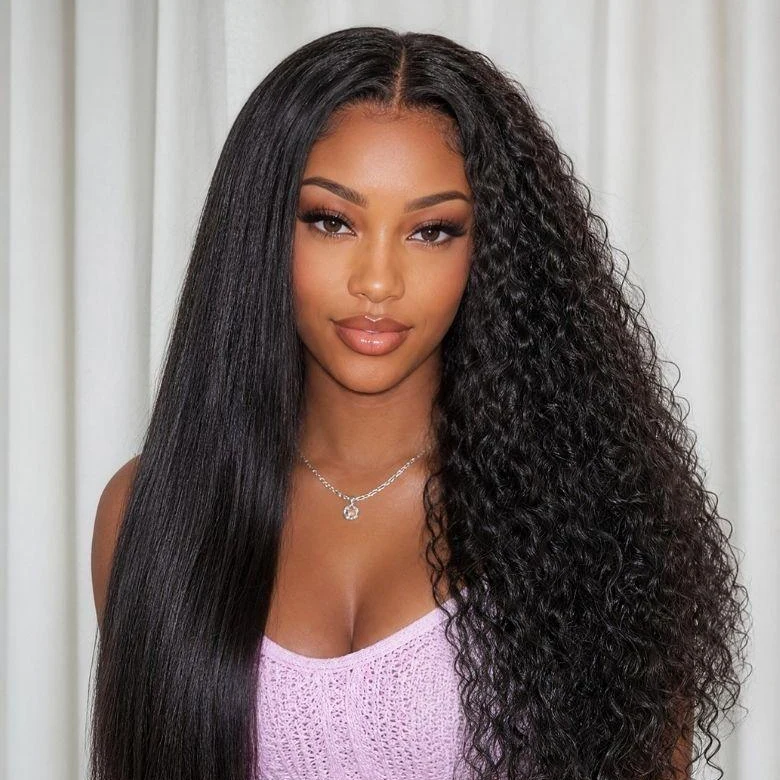
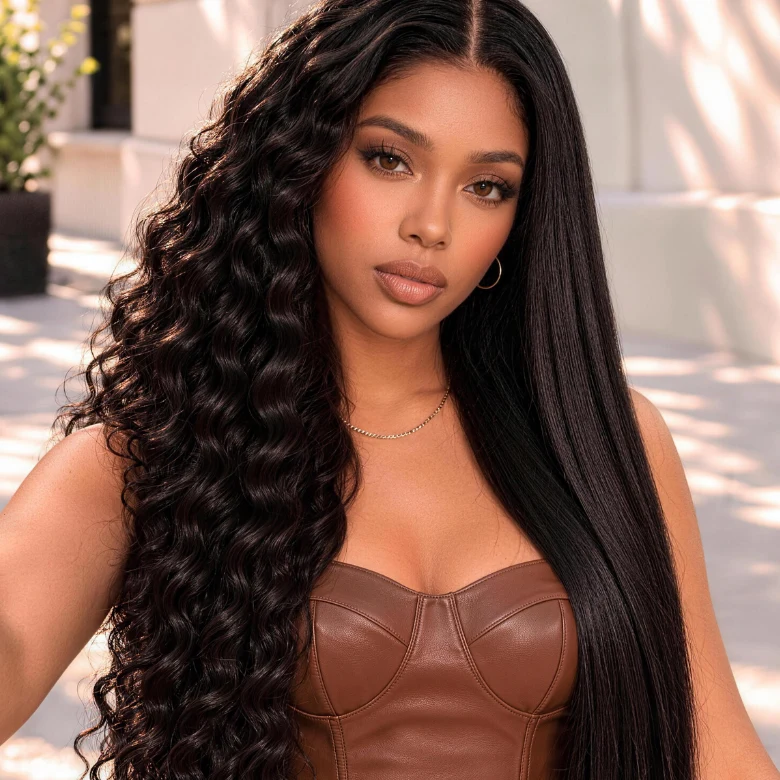
Choosing Waves That Suit Your Personal Style
Not every wave creates the same impression. Broad, relaxed bends tend to feel understated and contemporary, while tighter patterns introduce more volume and a stronger sense of texture. Length also changes the overall effect. Shoulder-length waves can frame the face and work beautifully with high necklines, whereas longer waves create a flowing silhouette that pairs well with sleek dresses and softly tailored separates.
Face shape, hair density and personal preference are useful considerations, but they should not become restrictive rules. The most successful hairstyle is one that feels harmonious with the wearer rather than one that follows a rigid formula. Someone drawn to minimalist fashion might prefer a smooth crown and subtle movement through the lengths. Another person may favour fuller waves that become a defining part of her look.
Tiana Robinson, a hair and wig specialist, is a relevant professional voice in conversations about how texture and styling choices can support individual expression. Thinking about hair as part of a complete look, rather than an isolated finishing touch, can make it easier to choose a style that feels authentic and wearable.
From Natural Texture to Flexible Styling Options
There is no need to adhere to a specific style day in, day out in order to create a specific wave. Some females do love their own texture and some females love the ability to switch their hairstyle depending on their look, emotion or event. Textures can be manipulated using appropriate hair pieces, no heat tools and hair accessories.
For those interested in changing their appearance without making a permanent alteration, wet and wavy human hair wigs offer one option for experimenting with a soft, textured finish. The appeal lies in the variety of looks that waves can create, from relaxed definition to a more voluminous silhouette. As with any hairpiece, the most convincing result depends on choosing a texture, length and density that feel balanced with the overall look.
A more natural appearance may not always be about all uniformity but rather proportion. An appearance that allows the style to flow around the face, look and fit appropriately for the event may appear more elegant than a heavily styled look that looks too much put in place. This can apply to all natural waves, an extension or a wig.
Making Wavy Hair Work from Day to Evening
Versatility is one of the strongest reasons to embrace waves. During the day, a loose, slightly undone finish can complement knitwear, crisp shirts, denim and relaxed tailoring. Tucking one side behind the ear or adding a discreet clip creates a little definition without removing the softness that makes the style appealing.
For evening, the same texture can be made more deliberate. A side parting, a little extra definition through the lengths or a simple accessory can change the mood without transforming the hairstyle completely. Waves also work well with statement earrings because they frame the face while leaving room for jewellery to be noticed.
The relationship between hair and clothing is worth considering here. A high-necked or heavily embellished outfit may benefit from hair swept away from the face, while an open neckline can work beautifully with waves left loose. These are not strict rules, but useful ways to create visual balance. The aim is to make the overall look feel cohesive, with no single element appearing disconnected from the rest.
Caring for Texture Without Losing Its Character
One factor that contributes to the appeal of waves is their upkeep. Overuse of heat, rough manipulation, or use of the wrong products can interfere with the natural texture or cause dryness. Instead of using a long series of hair products, a maintenance routine that takes into account the texture and state of the hair is ideal.
Curly or textured hair can be kept in great condition by minimizing manipulation and friction, using the right conditioner, and detangling gently. The American Academy of Dermatology has some great tips for curly hair maintenance. Detangle gently and try to keep curly hair moisturized. These tips are a great place to start, but should be adapted to the individual.
Hairpieces such as wigs can also be maintained to help keep texture. Follow care and styling directions for the specific hairpiece. Detangle gently and avoid excessive heat if that heat is not advised for the texture. Try to keep the texture as part of the look and the hair more maintainable instead of striving for a perfect, exact reproduction each time.
A More Personal Definition of Elegance
Elegance is not necessarily achieved by exactitude. There is a certain grace in a sleeve, in the flow of an appropriate material, or in a hairstyle that adorns a more rigid garment. Natural waves are able to achieve this harmony perfectly, as they can be dressed up to appear neat but not stiff and can be worn loose and still not look unput-together. Co-ordinating garments and hair with a sense of proportion allows elegance to move away from a system and towards an individual style.


