
Spending has quietly undergone a turning point among British consumers. Economic pressures, persistent grocery inflation, and rising household costs have pushed millions to rethink how they approach every purchase. This isn’t simply about cutting back; it’s about spending smarter.
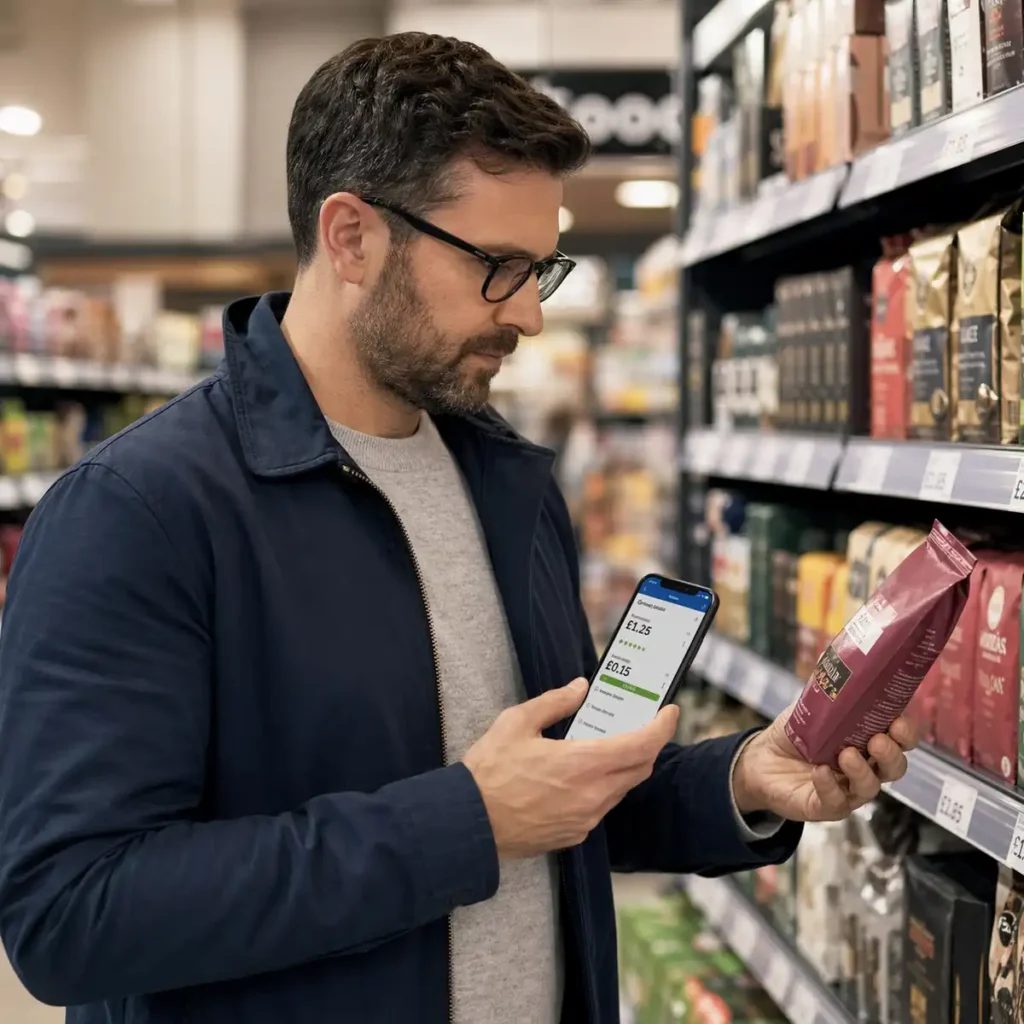
The change is measurable. At least 43% of Brits now expect more value for their money than they did just a few years ago, while 66% routinely check reviews before buying. These aren’t the habits of reluctant spenders; they’re the habits of strategic ones.
Savvy Spending Is Disrupting British Shopping
Price comparison tools, cashback apps, and loyalty schemes have moved from niche to mainstream. Platforms offering flash deals and real-time discounts have attracted a growing audience that treats deal-hunting less as a chore and more as a financial skill worth developing.
This cultural change is also reflected in how purchases are made. The same Samsung research found that 61% of Brits now make fewer, more intentional purchases. This shows consumers prefer quality and longevity over volume. Buying less, but buying better, has become a guiding principle for households trying to make every pound count.
Competitions Are Now a Budget Strategy
Prize-based platforms and competitions have found a natural place within this value-seeking culture. Entering a giveaway for a product you’d genuinely buy costs little to nothing anyway, making it a logical extension of any frugal strategy, not a gamble. For many, it sits alongside discount codes and loyalty points as another tool in the toolkit.
Various online platforms have made participation easier than ever. Anyone browsing a uk competitions site, such as a raffle site, will find structured, transparent prize draws that are far more straightforward than the loosely run promotions of the past. These platforms cater to deal-conscious users, offering clear prize listings and simple, accessible entry.
At the same time, brands are not just supplying prizes; they are using these platforms as a marketing channel. Partnering with competition sites allows them to place products directly in front of engaged, value-driven audiences.
This often generates visibility and interest at a lower cost than traditional advertising. This way, competitions are not just a consumer tactic, but a strategic tool for brands looking to reach buyers who are already primed to act.

Where Online Platforms Fit the Picture
Budget-focused e-commerce has seen significant growth. Platforms built around low-cost products have thrived as shoppers apply price filters before browsing anything else. According to a vertical plus analysis, price-led platforms are redefining how British consumers discover and evaluate products online.
This environment has conditioned shoppers to expect more transparency, faster delivery, and lower risk when trying new brands. It’s the same expectation they bring to competitions and prize draws, a desire for clear value with minimal downside. Platforms that meet that standard have earned genuine loyalty from this audience.
What Thrifty Shoppers Prioritise Long-Term
Smart spending isn’t a temporary response to inflation; it appears to be a lasting behavioural shift. Shoppers are building habits around flexibility, research, and low-cost experimentation rather than defaulting to familiar brands at full price.
Successful savers tend to tackle saving challenges by combining multiple strategies simultaneously. This includes cashback, price matching, loyalty programmes, and occasional prize draws, all working together.
It’s a portfolio approach to household budgeting, and it reflects a broader truth: that in 2026, getting value from your money requires attention, not just restraint. Those who treat their spending strategically, across every available channel, tend to come out considerably ahead.