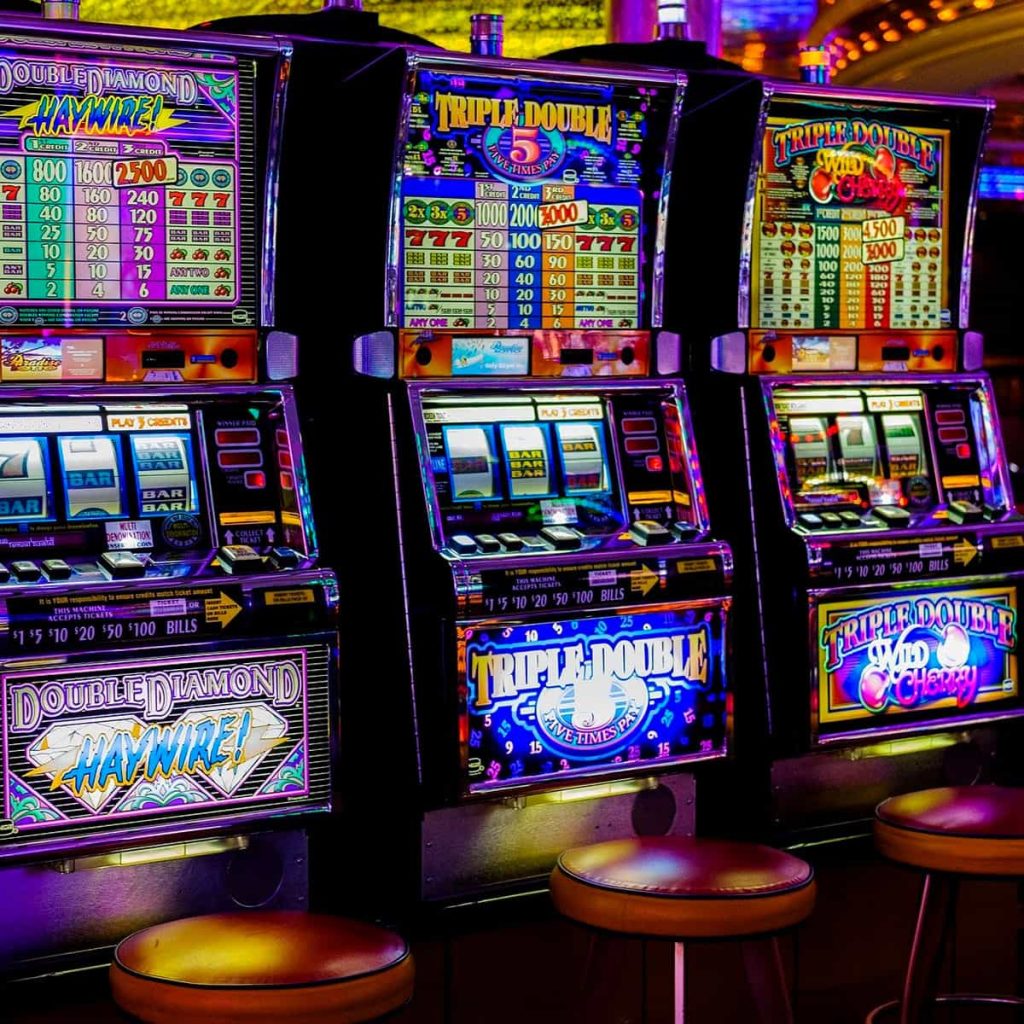
Gambling spaces in England and Ireland reveal more than a taste for games. They also reveal a taste for presentation. In England, especially in London, many venues lean toward polish and theatre. In Ireland, many venues lean toward clarity and sociability. Both styles serve the same trade, though each one frames the experience in its own way. The latest official figures show how large that audience remains. In Great Britain, the four-week participation rate stood at 48 percent in 2025, according to an Ian Angus speech for the Gambling Commission.
Ireland shows a similar reach, though the texture looks different. Official year-two participation data found that 48 percent of adults had gambled in the previous four weeks in 2024. Remove lottery-only play, and the rate falls to 27 percent. The same dataset put online participation at 38 percent, or 16 percent with lottery-only play removed. Those numbers help explain why design now matters on a screen as much as in a room. They also show why branding carries more weight than it once did. The figures come from Ireland’s official participation release.
Comparison sites like Casino.org can help casino players find the best platforms based on a wide range of metrics, including by country and region. They can sort sites by licensing and payouts. They can also sort by game range and support. That kind of filtering suits players in England and Ireland because the two markets have different rules and different expectations. It also shows how online design has become part of national style, since the strongest sites now tailor their look to local habits.
English Rooms Often Aim for Occasion
The English approach often leans toward atmosphere and finish. In Mayfair, that can mean dark wood and polished stone. It can also mean privacy and controlled lighting. Genting’s Colony Club says its private gaming space combines marble, wood, and glass under a sparkling chandelier canopy. That is a very specific kind of message. It tells you the room wants to feel exclusive before the first hand begins. It also puts the venue close to the visual world of luxury goods, where texture and setting do a great deal of the selling.
That English taste for theatre also appears in more public venues. The Hippodrome describes itself as four floors of gaming inside one of London’s grand former theatres. It also says it has three themed casino spaces and the capital’s largest dedicated poker deck. This is still a strongly English version of gambling design. It takes an old entertainment shell and fills it with modern gaming. The result feels busy and grand. It also feels very aware of the London evening economy around it.
The branding often follows the same path. English casino marketing likes a strong visual frame. It likes club language, and it likes a sense of event. A Mayfair room may promise privacy. A Leicester Square venue may promise scale. Both still rely on the idea that a gambling space should feel like a destination. That emphasis suits a city where restaurants and theatres compete for the same crowd. It also suits a market where hospitality and gaming often sit shoulder to shoulder.
Irish Rooms Tend to Feel More Direct
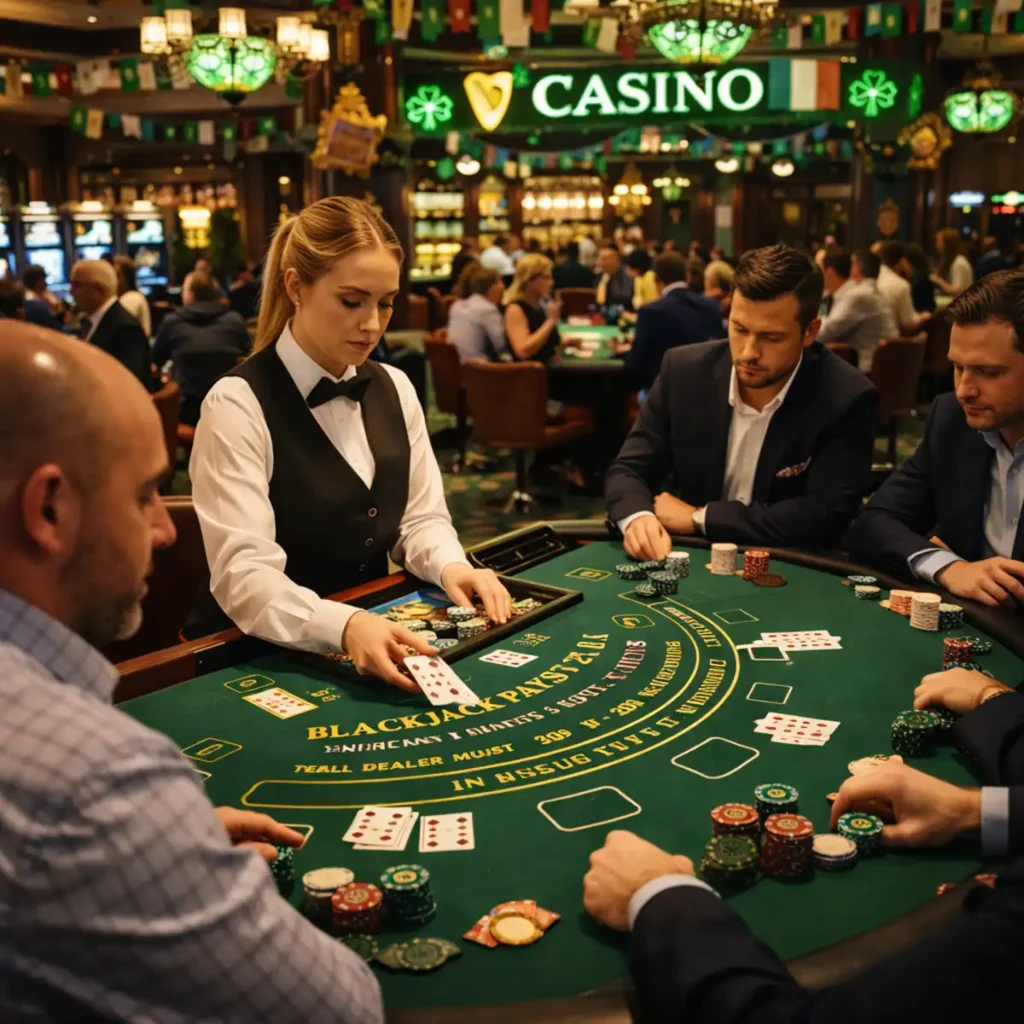
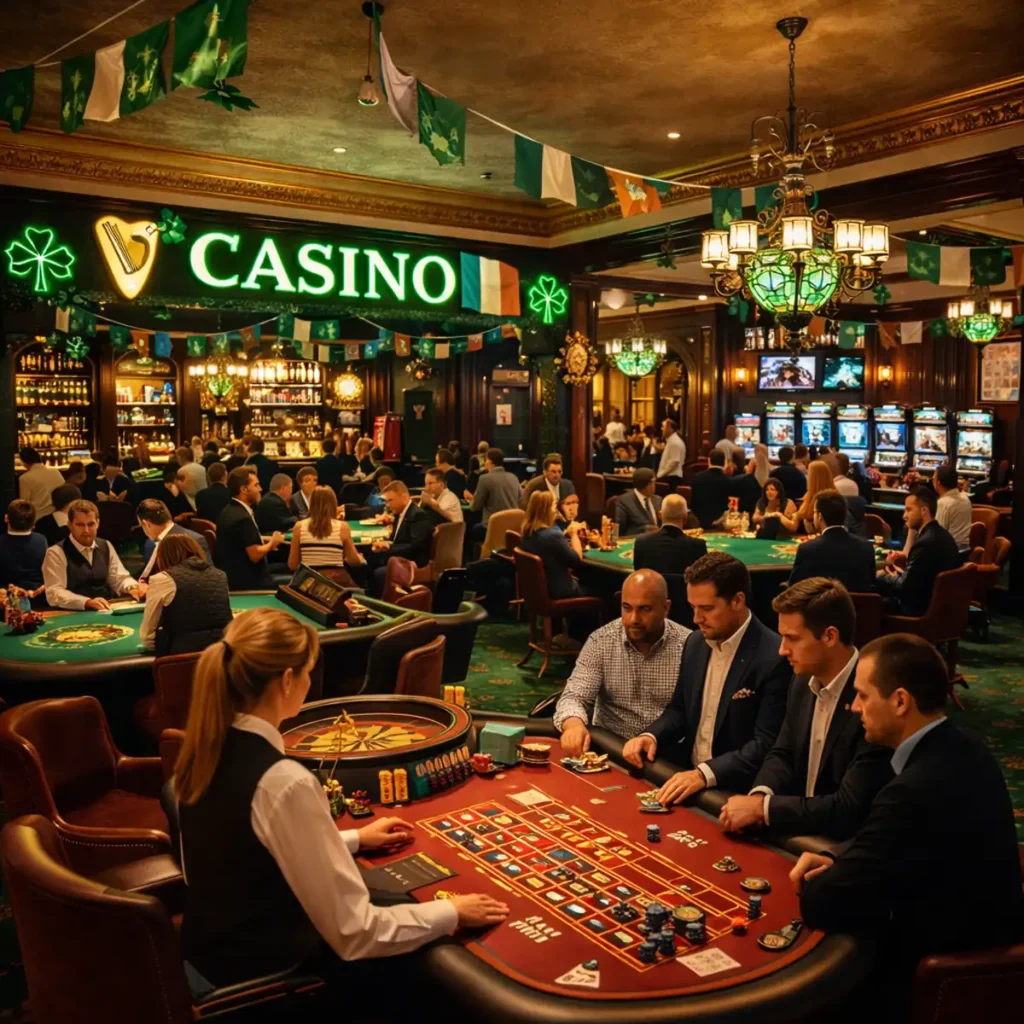
Irish gambling spaces often project a simpler kind of confidence. They still want to look appealing, though they usually put the game first. D1 Club Casino in Dublin does that very clearly on its own site. It advertises slots and electronic roulette from morning until late night. It also advertises live tables, blackjack, dice, and cash poker in a very direct tone.
That style sits comfortably inside a broader Irish social culture. Gambling in Ireland has often lived closer to routine social life than to grand ceremony. That does not mean every venue feels casual. It does mean many venues feel less wrapped in exclusivity. A Dublin room that opens long hours and offers familiar tables suggests a market shaped by repetition and comfort. It also suggests a market that still sits close to pubs, where conversation and habit carry real weight. The room feels like somewhere you go to play. It does not strain to feel like somewhere you go to be seen.
Law and regulation also shape that visual tone. Citizens Information says Ireland has licences for gaming, betting, and some lottery activity. It also notes the existence of the new Gambling Regulatory Authority of Ireland. In March 2025, the Department of Justice said the authority had been established on a statutory basis. That kind of framework tends to produce a market that values clarity and practicality. It rarely encourages a great deal of decorative fuss.
Online Design Carries the Same Habits
These national cues now show up online as well. English-facing sites often lean into darker colours and premium cues. Irish-facing sites more often lean into quick menus and practical information. The difference is subtle, though it becomes easy to spot once you know where to look. One style says private club. The other says quick access. Both approaches make commercial sense because each one reflects what local players often expect to see first.
That split also affects how a player reads trust and ease. A polished English design can suggest status and finish. A similar Irish design can suggest speed and usefulness. Neither approach is automatically better. Each one suits a different expectation. English gambling spaces often sell occasions through design. Irish gambling spaces often sell ease through familiarity. That is why a Mayfair venue and a Dublin venue can belong to the same industry while still feeling culturally distinct.