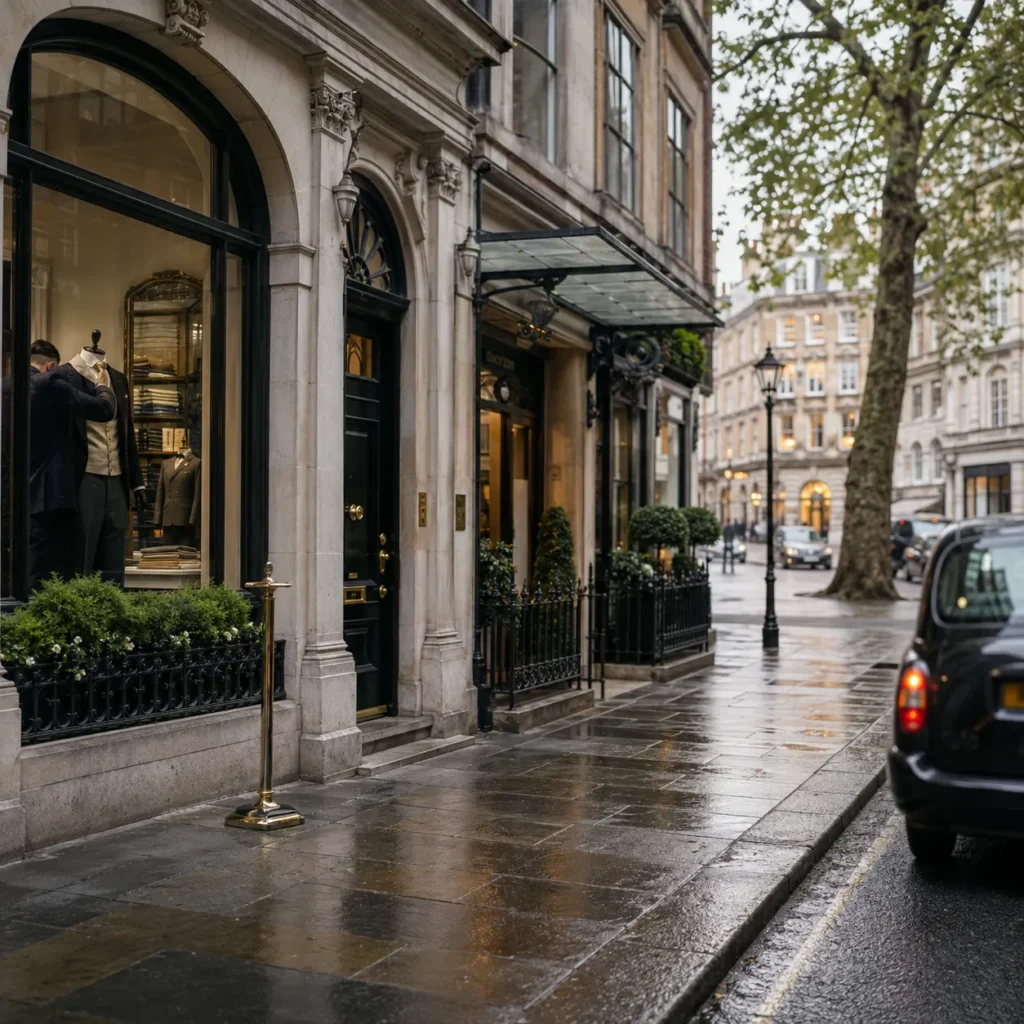
London’s entertainment sector is world‑renowned and draws in millions of visitors each year to its renowned theatres, nightclubs, casinos, music venues and cultural attractions. But with success comes added regulations and licensing rules. There are debates over whether the capital’s vibrant scene will continue to flourish or begin to dim. From changes in gambling law to licensing hurdles and community pressures, London’s entertainment landscape stands at a crossroads.
A Rich Legacy Under Pressure
London has been a central hub for the arts, music scene and nightlife for decades, with venues that range from the iconic West End theatres to underground clubs in Shoreditch. The live music scene and theatrical production element to London’s entertainment, alongside its cultural festivals, contribute substantially to the city’s identity and economy.
Even longstanding clubs such as historic nightlife venues reopened with new licensing conditions to ensure safety and compliance, showing how regulatory frameworks directly influence operations.
However, shifting licensing environments have brought challenges. Nightclubs and bars seeking 24‑hour licenses face increasing scrutiny from local councils, and in some areas, the number of late‑night venues has dramatically declined due to stricter approvals and noise complaints from residents. This tightening has prompted discussions within industry circles about how to maintain London’s reputation as a 24‑hour city while balancing community concerns.
Navigating Regulatory Changes in Gambling
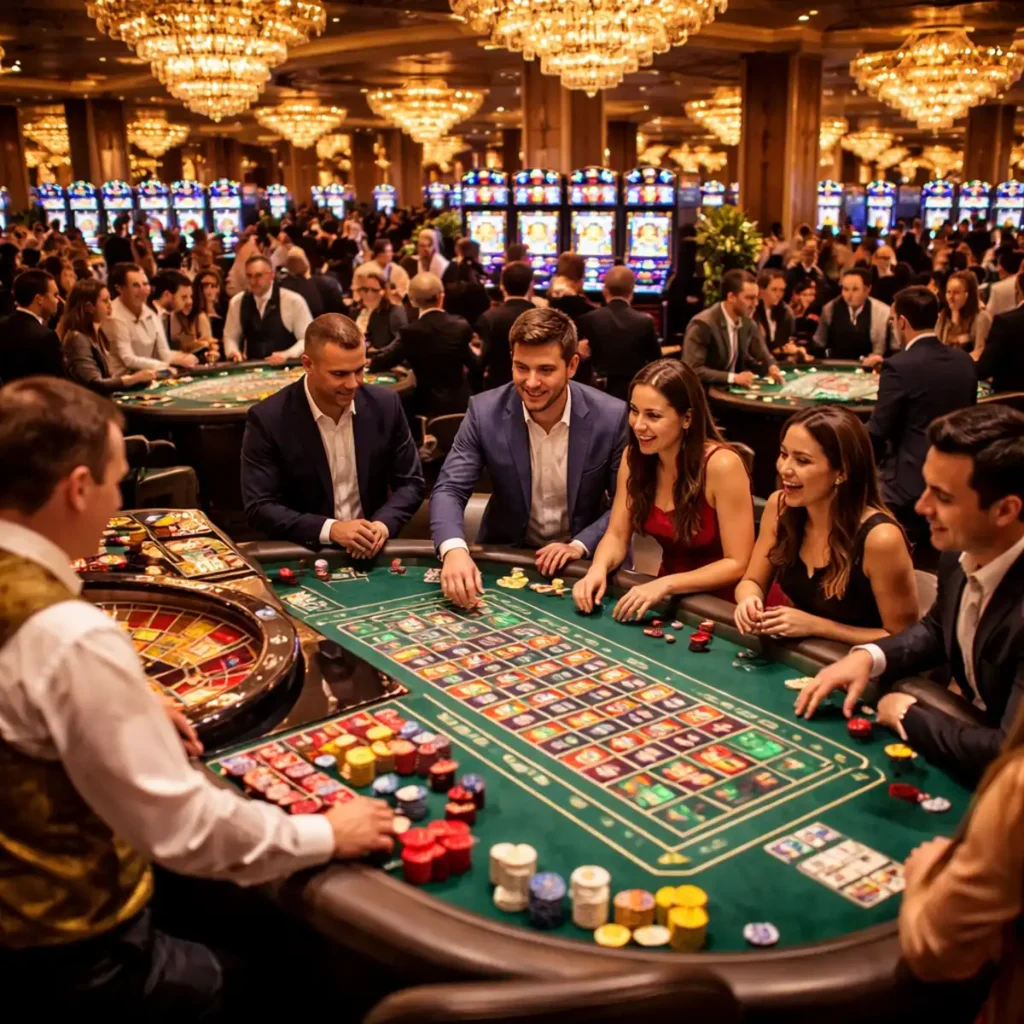
The entertainment scene in London goes beyond just music and shows. The gambling experiences available in London play a key role in attracting tourists worldwide, via the oldest casino in London, Crockfords. The capital has a rich casino history that was once enjoyed by Kings and Queens.
Recent developments in UK regulation, influenced by national policy shifts and responses to public health concerns, are reshaping this sector. The UK Gambling Commission has introduced tighter consumer safeguards, such as enhanced identity verification and restrictions on mixed‑product incentives, while also capping wagering requirements on bonus funds to simplify offers and promote responsible play.
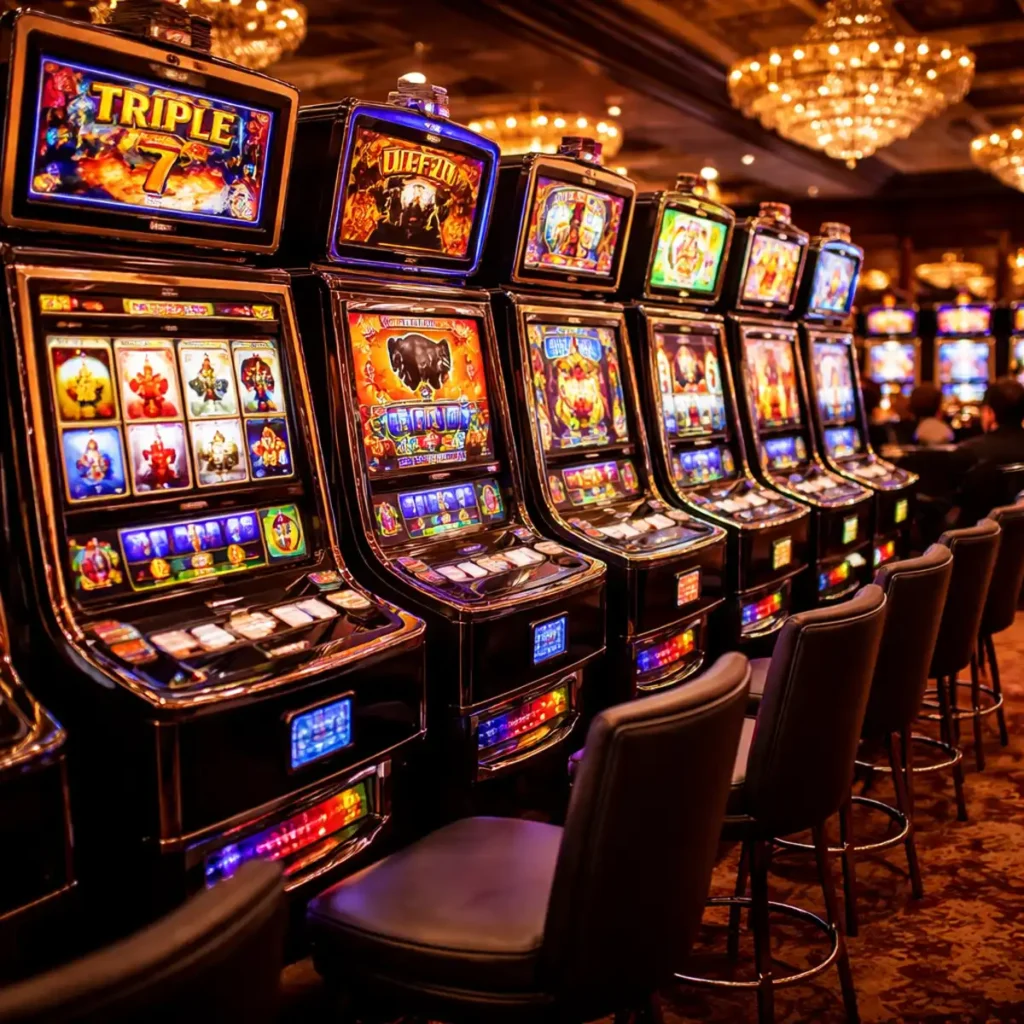
Additionally, transport advertising remains a contentious battleground. Despite promises from political leaders to remove gambling advertisements from London mass transit networks, such campaigns remain prevalent, and several borough councils are urging the mayor to act. These regulatory shifts reflect a broader trend toward strengthened oversight, which could affect how casinos, bookmakers, and night venues integrate entertainment with safety and compliance. Casinos, in particular, are already feeling the strain from their online competitors due to the convenience they offer. The best online slots in the UK are undoubtedly drawing customers away from venues like the Hippodrome Casino, as they struggle to compete with the bonuses and range of games available online.
Licensing Rules and the Night‑Time Economy
The gambling scene is not the only sector to have the licensing laws’ strictness increased. The Licensing Act 2003 remains the cornerstone of regulation for bars, clubs and performance spaces, determining how and when events can occur. Under these rules, local licensing authorities make decisions about opening hours, live music permissions and late‑night refreshment, all of which directly influence the vibrancy of the capital’s night‑time economy.
Local councils have proposed innovations to reinvigorate London’s evening culture. For example, plans to create late‑night entertainment zones in central areas could enable theatres, clubs and creative venues to operate more freely outside traditional curfew times, striking a balance between safety and cultural activity.
Whether these zones will gain traction remains to be seen, but the discussions alone highlight how the regulatory framework is being reimagined to support entertainment growth.
The Resilience of Culture and Tourism
Despite the growing pressure on the industry, there are positive indicators that London’s entertainment industry is adapting and thriving. Major projects like the proposed transformation of the historic London Trocadero into a casino and leisure hub, set to include restaurants and entertainment spaces, demonstrate continued investment in the city’s leisure infrastructure. The fact that such developments are moving forward suggests that developers and operators still see strong cultural and economic value in London’s entertainment offerings.
Tourism remains a driving force behind this resilience. The city’s reputation as a cultural capital draws visitors for theatre, music, food and nightlife experiences that cannot easily be replicated elsewhere. Festivals, exhibitions and seasonal events help maintain foot traffic and keep London in global conversations about arts and entertainment, even as regulations evolve.
Community Voices and the Future
As policymakers, residents and business owners weigh in on these changes, the future of London’s entertainment scene will likely be shaped by dialogue and compromise. Advocates for nightlife argue that overly restrictive licensing and regulatory approaches can stifle creativity and economic activity, while public safety advocates push for protections that minimise harm and disorder. Managing these competing demands will be crucial in determining whether London sustains its status as a cultural and entertainment powerhouse.
Conclusion: Regulatory Balance Will Determine Success
Will London’s entertainment scene thrive or fade under new regulations?
The answer lies in how well the city balances innovation, cultural vibrancy and public responsibility. While regulatory changes, especially in gambling and licensing, present clear challenges, they also encourage operators to adapt, innovate and elevate standards.
Rather than fading, London’s entertainment ecosystem may evolve into a more diverse and sustainable experience, supported by thoughtful regulation, proactive planning and continued investment in cultural infrastructure. If stakeholders collaborate to address concerns while preserving the city’s creative spirit, London is well positioned to remain on a global stage for unforgettable entertainment experiences.