
Digital clinics have completely changed how we receive healthcare. They have made doctors and experts more accessible and allowed more people to get access to healthcare they may not have had before. Here are a few ways digital clinics are changing people’s lives.
Easily Accessible
Firstly, digital clinics have made healthcare substantially more accessible. Before, you not only needed to make time to get to a doctor or clinic, but you also needed to reach the office, which isn’t always easy, especially if you don’t have a car or a good public transport system.
Whether it is for a quick check-in to monitor recovery, or if you’re using Quit Clinics to help quit nicotine addiction, every digital clinic is exceptionally easy to access.
Time-Saving
Digital clinics are also being used to save a ton of time. As we have probably all experienced before, you first need to get to your appointment, then wait an indeterminate amount of time, and then, if you need medication, that can easily be another hour or two of waiting.
Instead, digital clinics cut out almost all the waiting time and get straight to business right away. Additionally, if you do need a prescription or something similar, more often than not, they will email your prescription, meaning you don’t have to sit waiting for that either.
Mental Health Access
Mental health access has also become a sticking point for many people. Many small towns and remote areas may only have one psychologist, and that’s even if they have one at all. In a mental health emergency, fast and easy access is a must.
There are now several online mental health clinics that put you in touch with an expert almost immediately. While this may not always be enough for some people, it is a brilliant starting point and something you can build on.
Chronic Condition Management
Some chronic conditions don’t always require regular visits to a doctor or nurse. When it comes to illness management, a quick check-up is often enough if you are just looking to see if you are still on the right path, if your medication is working, etc.
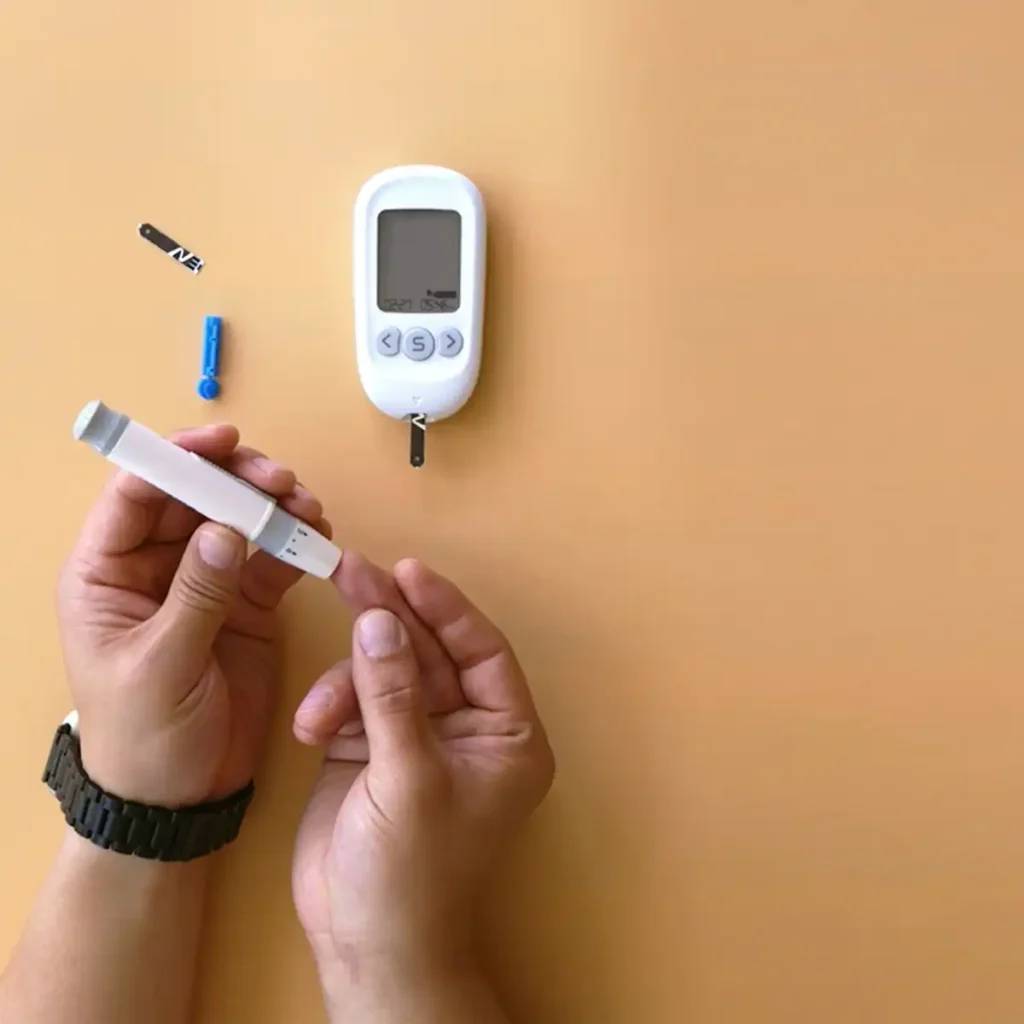
For instance, if you have diabetes, sharing your blood sugar results with a doctor or nurse online is sometimes enough.
Hybrid Method
Another brilliant option that digital clinics have afforded is that of hybrid care. As mentioned in the chronic illness section, sometimes it isn’t always necessary to go in and see a doctor, but when you don’t have a choice, then you have to do it.
Hybrid treatment is far more flexible and accessible. For instance, if you get stitches in a wound, a quick video call with a doctor to see how the wound is healing is enough, and then you visit them in a month or two to have the stitches removed.
Remote Access
Accessibility has been mentioned often because it is still a major problem in healthcare. Even if you live in a country with the best healthcare in the world, if you live somewhere remote, the five or six-hour drive to get to the doctor or clinic just isn’t possible a lot of the time.
This is especially important in poorer countries and areas where public transport is nearly non-existent, or if you live somewhere difficult to access. There are countless areas on the planet where a doctor’s appointment can require an entire day or two of travel, not to mention the problems this causes if you aren’t able to get an appointment or if you need to come back in a few days for whatever reason.
Cross-Border Access
Additionally, digital clinics have allowed for cross-border healthcare access. Not every country, city, or town is going to have the same number of specialist doctors or practitioners, and if a neighbouring country has those doctors, the only way to see them is to travel.
However, digital clinics now allow people to get in contact with these experts and are able to discuss their ailments. At the very least, these experts will be able to contact a local hospital or clinic and instruct them on the type of care or treatment you may need.

Lower Costs
Many people on Earth don’t have access to free or affordable healthcare or affordable medical insurance. Not only that, but there are plenty of other costs associated with visiting a doctor, such as paying for transport, getting a babysitter if you have kids, taking time off work and losing out on pay, etc.
Digital healthcare can help you save you money by cutting out all the extras. Even if you have to pay for your sessions, the total cost will be substantially cheaper than if you had to go to a doctor’s office.
Instead, digital clinics cut out almost all the waiting time and get straight to business right away. Additionally, if you do need a prescription or something similar, more often than not, they will email your prescription, meaning you don’t have to sit waiting for that either.
Mental Health Access
Mental health access has also become a sticking point for many people. Many small towns and remote areas may only have one psychologist, and that’s even if they have one at all. In a mental health emergency, fast and easy access is a must.
There are now several online mental health clinics that put you in touch with an expert almost immediately. While this may not always be enough for some people, it is a brilliant starting point and something you can build on.
Chronic Condition Management
Some chronic conditions don’t always require regular visits to a doctor or nurse. When it comes to illness management, a quick check-up is often enough if you are just looking to see if you are still on the right path, if your medication is working, etc.
For instance, if you have diabetes, sharing your blood sugar results with a doctor or nurse online is sometimes enough.
Continous Care
When we talk about regular doctor’s visits, the concept of care is often framed as appointment-to-appointment, as if no real care takes place between appointments.
With digital clinics, the care doesn’t stop, as you can check in regularly, have conversations often, and voice your concerns whenever they crop up.