The world of bespoke tailoring continues to evolve, offering discerning gentlemen an unparalleled combination of craftsmanship, personalisation, and timeless style. In today’s fashion landscape dominated by mass production, custom suiting remains a testament to individual expression and sartorial excellence. From the impeccably cut chalk-striped power suits that grace prestigious boardrooms across the City to the luxurious midnight blue tuxedos which command undivided attention at exclusive gala events, bespoke tailoring masterfully transforms mere fabric into extraordinary wearable art. The resurgence of traditional tailoring methods, paired with modern design sensibilities, produces clothing that honours both heritage and contemporary style. Whether you’re skilfully navigating the demanding corporate world with its unwritten dress codes or attending exclusive social gatherings where appearances matter greatly, understanding the subtle nuances of bespoke tailoring elevates your presence and confidence in any setting.
The Art of Bespoke Tailoring: Why Custom Suits Define Modern Elegance
Bespoke tailoring embodies the apex of gentlemen’s fashion, with each stitch narrating tales of meticulous craftsmanship. Unlike the readily available off-the-peg alternatives found in high street shops, bespoke custom-made garments invariably begin with a detailed conversation between the skilled tailor and their discerning client, carefully establishing individual preferences for absolutely everything from precise lapel width to the exact trouser break. Master tailors, who have inherited centuries-old techniques from their predecessors, meticulously dedicate hundreds of painstaking hours to crafting each individual bespoke suit with extraordinary precision and care.
The meticulous process commences with exceptionally precise measurements – frequently surpassing thirty distinct points across the entire body – thereby ensuring that each subtle curve and angle receives the proper attention it deserves. Suits for men crafted through this meticulous process deliver unmatched comfort and visual appeal. Pattern creation follows, capturing each client’s unique body measurements on paper templates. These meticulously observed patterns, which have been carefully documented through countless hours of analysis and refinement, ultimately transform into the definitive blueprint for achieving excellence, remaining stored indefinitely within our comprehensive archives, ready to be referenced and utilised for any future commissions that may arise.
Modern bespoke tailoring, which has evolved significantly over recent decades, wholeheartedly embraces cutting-edge technological advances whilst steadfastly maintaining the exacting traditional handwork standards that have defined British craftsmanship for centuries. Digital scanning ensures perfect patterns; hand-stitching remains irreplaceable. The floating chest piece, shaped through pressing and moulding, creates bespoke tailoring’s distinctive drape.
Black Tie Excellence: Mastering Formal Evening Wear
Formal evening wear demands meticulous attention to detail that extends considerably beyond merely selecting the right dinner jacket, encompassing everything from cufflinks to pocket squares and proper footwear choices. The modern gentleman faces various dress codes daily. Understanding these nuances ensures appropriate presentation whilst allowing personal style to flourish within established parameters.
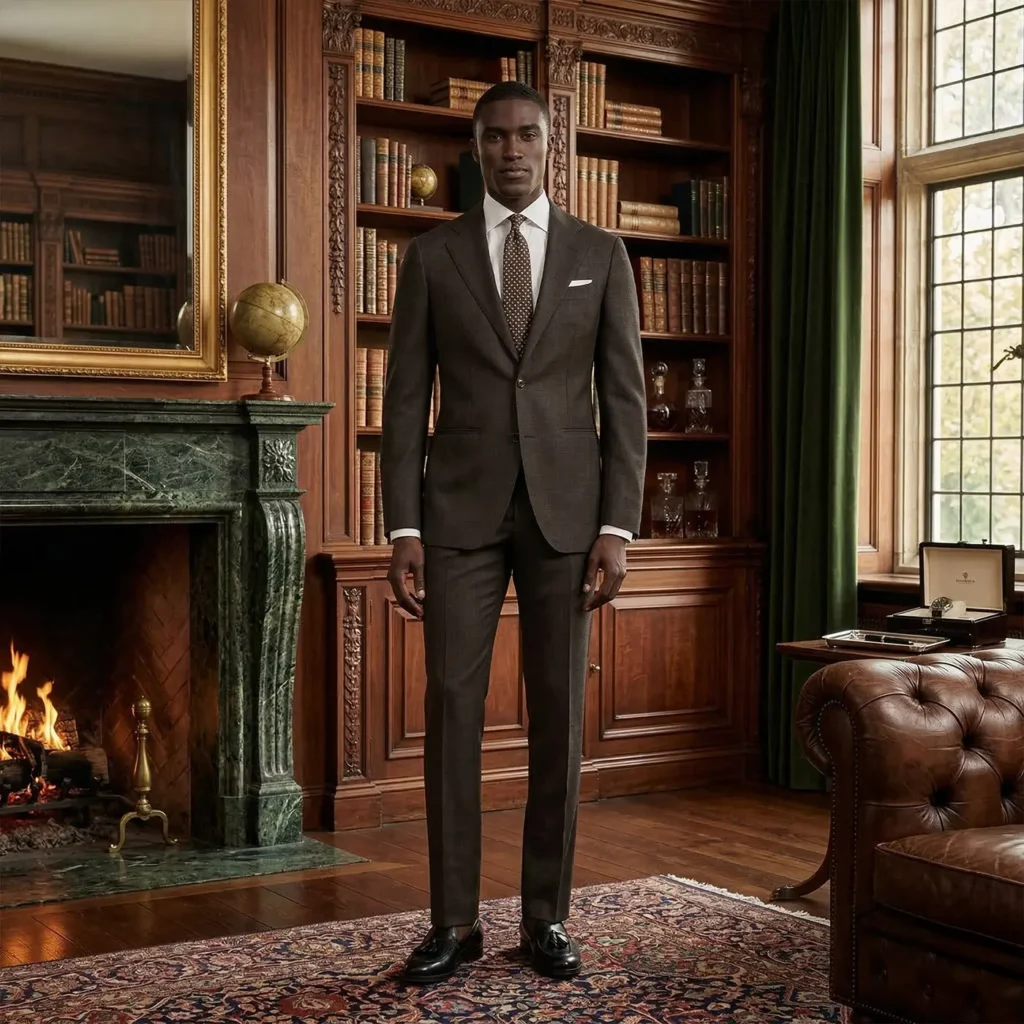
Proper fit and proportion create exceptional evening wear. Shoulders, which form the foundation of a well-fitted jacket’s silhouette, should sit naturally upon the wearer’s frame without extending beyond the natural shoulder point where the arm meets the torso, whilst the jacket’s length, a crucial element of proper tailoring, must cover the trouser waistband completely to ensure a polished appearance. Tuxedo suit selections offer various lapel styles, from classic peaked designs to sophisticated shawl collars, each conveying different levels of formality and personal preference.
Accessories transform evening wear from standard to spectacular. Cummerbunds or waistcoats, which have been essential elements of formal menswear for centuries, particularly in British sartorial tradition, effectively conceal the trouser waistband whilst simultaneously adding considerable visual interest through their distinctive texture or subtle pattern, thereby enhancing the overall elegance of formal attire. Bow ties, whether meticulously self-tied by hand or conveniently pre-tied for ease of wear, require thoughtful and careful selection to properly complement one’s facial features whilst harmonising with collar proportions. Patent leather shoes deliver the necessary polish, whilst opera pumps present a bolder option for those assured in their fashion selections.
Essential Elements of Black Tie Attire
The contemporary interpretation of black tie dress code, which has evolved considerably over recent decades, permits thoughtful creative expression whilst simultaneously maintaining respect for the fundamental sartorial principles that define this formal attire tradition. Midnight blue, which was historically reserved exclusively for royalty and the aristocratic elite, has now emerged to rival traditional black as the supremely sophisticated and elegant choice for formal evening wear occasions. Velvet dinner jackets add textural interest and suit winter events or artistic gatherings perfectly. These numerous variations clearly demonstrate how cherished tradition gradually evolves over time whilst steadfastly maintaining and never abandoning the fundamental core principles that have always defined proper formal dressing throughout British society.
Essential Fabrics and Cuts for the Discerning Gentleman
Whilst the meticulous selection of appropriate fabrics, which requires considerable expertise and discernment, undeniably forms the fundamental cornerstone of truly exceptional suiting, it simultaneously determines not only the overall aesthetic appeal that catches the discerning eye, but also the crucial functional performance throughout the garment’s lifetime. Super 150s wool, which has long been recognised by discerning tailors and sartorial enthusiasts throughout Britain’s finest establishments, provides an ideal balance between durability and refinement, making it eminently suitable for year-round wear in temperate climates where seasonal variations demand versatile fabrics. Cashmere blends offer luxurious softness, though they require careful maintenance to preserve their distinctive hand-feel. Mayfair’s distinguished tailoring establishments showcase extensive fabric libraries, allowing clients to experience materials firsthand.
Contemporary suit silhouettes, which have evolved considerably through decades of sartorial innovation and cross-cultural exchange, reflect remarkably diverse influences that range from the characteristically relaxed Italian soft construction, with its unpadded shoulders and flowing lines, to the more formal and precisely structured British drape tradition. The distinctively soft-shouldered Neapolitan tailoring style, which originated in the sun-drenched streets of Naples, emphasises the wearer’s natural body lines through its characteristic minimal padding and remarkably lightweight canvas construction. British tailoring, which has been cultivated through centuries of meticulous craftsmanship and unwavering dedication to sartorial excellence, steadfastly maintains its internationally renowned reputation for military-inspired precision, characterised by sharply defined shoulders and a pronounced chest presence that commands attention. American styling occupies the middle ground between casual and formal approaches, offering considerable comfort to the wearer whilst carefully maintaining the garment’s essential structure and tailored appearance throughout.
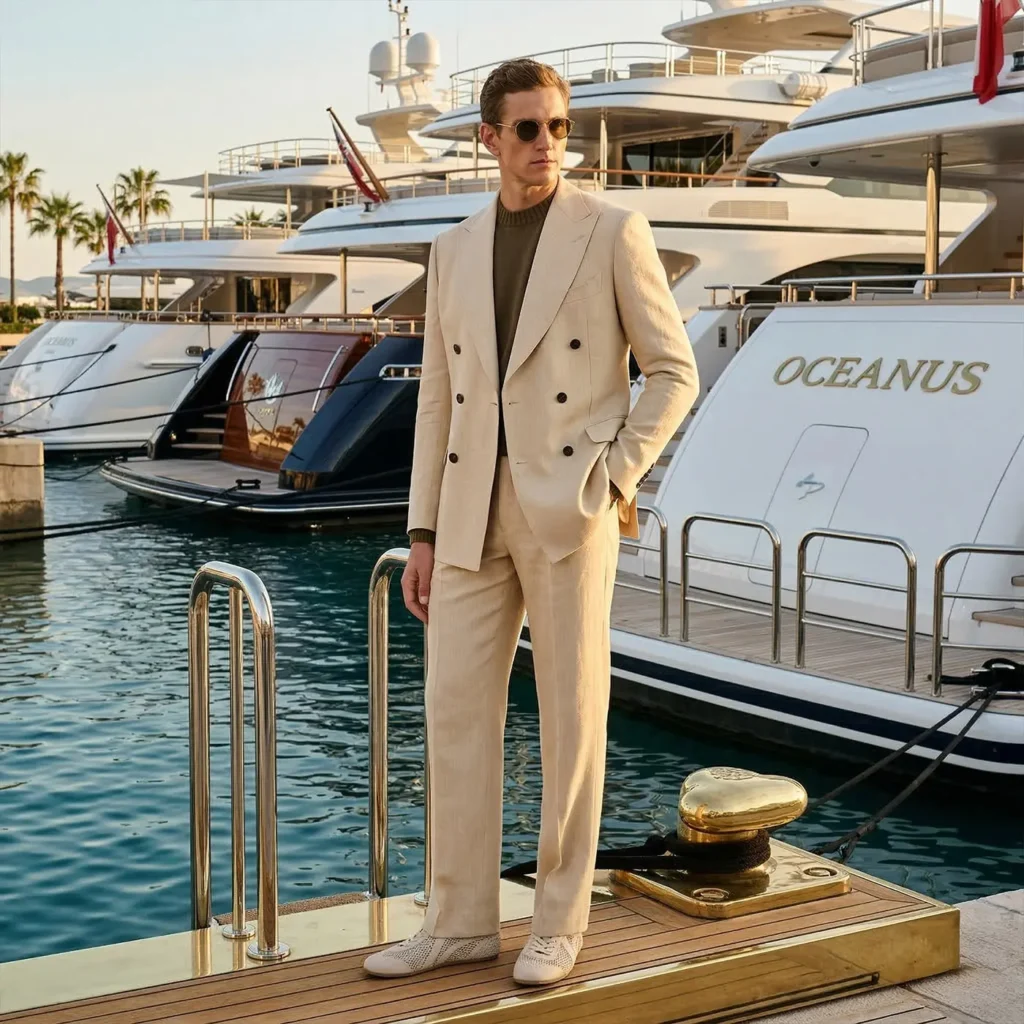
Seasonal considerations, which vary significantly throughout the year from the sweltering heat of summer to the bone-chilling cold of winter, profoundly influence both the selection of fabric weight, ranging from lightweight linens to heavy woollens, and the specific construction methods employed by manufacturers and craftspeople alike. Summer suits, which are specifically designed for wear during the warmer months of the year, benefit considerably from half-lined or completely unlined construction methods that actively promote enhanced breathability and comfort. Tropical wool and innovative fresco weaves provide exceptional natural temperature regulation throughout varying climatic conditions, whilst simultaneously maintaining the impeccable professional appearance standards required in contemporary business environments. Winter selections thoughtfully embrace substantially heavier fabric weights alongside traditional full canvas construction methods, thereby creating essential thermal insulation whilst simultaneously preserving the garment’s characteristically elegant drape and refined silhouette.
Understanding Fabric Weights and Weaves
Professional wardrobes require a thorough understanding of various fabric weights, which are typically measured either in grams per square metre or in ounces per yard, depending on the manufacturer’s preference and regional standards. These carefully conducted measurements, which are essential for evaluating fabric performance characteristics, effectively determine the most appropriate seasonal use patterns and realistic longevity expectations for each individual garment within the collection.
Investment Pieces: Building a Timeless Formal Wardrobe
Strategic wardrobe development prioritises versatility without compromising quality or personal style. The foundation commences with essential pieces that effortlessly serve multiple occasions throughout the year, gradually expanding to incorporate more specialised garments specifically tailored for particular events and formal gatherings. Navy and charcoal suits provide exceptional versatility that makes them perfectly appropriate for diverse occasions ranging from formal business meetings to elegant weddings and sophisticated evening events, requiring only minor adjustments to accessories.
When building a wardrobe that will stand the test of time, quality matters far more than quantity. A single well-constructed suit, which has been meticulously tailored with exceptional craftsmanship and superior materials, consistently outperforms multiple inferior alternatives that might initially seem economical, maintaining its distinguished appearance and impeccable fit through years of regular wear, regardless of seasonal changes or professional demands. Thom Sweeney’s refined approach to menswear exemplifies this philosophy, creating garments that improve with age rather than deteriorate.
Recent research into fashion trend patterns indicates that classic styles consistently outperform trend-driven designs in terms of longevity and versatility. This data supports investing in carefully chosen wardrobe pieces that last for decades. Consider establishing mutually beneficial relationships with trusted tailors and retailers, who, through their extensive experience and keen understanding of your personal style preferences and specific professional requirements, can provide invaluable guidance whilst ensuring your wardrobe consistently reflects both your individual aesthetic and workplace expectations.
The Economics of Quality Tailoring
Bespoke or quality ready-to-wear seems expensive initially, but cost-per-wear calculations show surprising value. A well-tailored suit that is worn twice weekly throughout the course of five years generates approximately 520 individual wears, thereby reducing the per-wear cost to surprisingly modest levels that justify the initial investment. This economic reality, coupled with superior comfort and appearance, justifies the premium price of quality tailoring.
Styling Your Made-to-Measure Suit for Maximum Impact
Successful suit styling goes beyond choosing the right garments, encompassing the coordination of colours, textures, and proportions. The subtle interaction between one’s shirt, tie, and pocket square generates visual appeal whilst preserving overall sartorial harmony. Monochromatic schemes convey sophistication; complementary colours add controlled vibrancy.
Seasonal styling adjustments ensure your wardrobe remains relevant and appropriate throughout the entire year. Spring brings forth lighter shades and delightful patterns, ranging from glen check to understated windowpane designs. Autumn, with its crisp air and golden light that filters through changing leaves, graciously invites the sophisticated incorporation of rich earth tones alongside luxuriously textured fabrics, particularly time-honoured tweeds and soft flannels, into carefully curated business-appropriate ensembles that reflect the season’s natural palette. These transitions clearly show an understanding of environmental context whilst upholding the highest professional standards throughout.
Modern styling embraces the high-low mixing concept, blending formal tailoring with casual elements to create contemporary appeal. Knitted ties effectively soften the inherent formality of traditional business suits, whilst luxury sneakers have increasingly replaced conventional oxfords as the preferred footwear choice within creative industries throughout modern workplaces. These combinations demand careful balance, ensuring that casual elements enhance rather than detract from the overall presentation. Grasping your sector’s sartorial culture allows for suitable experimentation whilst preserving your professional credibility and standing.
Your Journey Towards Sartorial Excellence
Achieving bespoke elegance demands patience, proper education, and a genuine willingness to invest in quality rather than quantity. The journey from basic suiting to sophisticated personal style unfolds gradually through years of careful consideration, with each thoughtfully selected purchase building systematically upon previously acquired knowledge and hard-won sartorial experience. Begin with essential items that fulfil immediate requirements whilst providing space for experimentation and development. Remember that exceptional tailoring goes beyond mere clothing to become an extension of one’s personality and professional identity. The principles of fit, quality, and appropriateness remain constant. Whilst navigating your sartorial journey, embrace wholeheartedly the illuminating process of discovery, which necessitates consulting regularly with experienced, knowledgeable tailors who possess decades of expertise, whilst simultaneously observing, with keen attention to detail, those impeccably well-dressed individuals who inhabit your particular professional sphere and exemplify refined taste. Investing in superior tailoring yields returns through increased confidence, enhanced professional image, and the satisfaction of wearing perfectly fitted clothing.