
Mayfair has always understood the language of discretion. From private members’ clubs hidden behind Georgian façades to dining rooms where reservations travel by word of mouth, prestige here has rarely needed to shout. That same sensibility now defines how the area’s casino culture is evolving in 2026.
The change is not about abandoning tradition. Instead, it reflects a recalibration of what luxury means to affluent audiences who value control, privacy, and seamless experiences. In Mayfair, heritage and innovation are no longer opposing forces. They are increasingly intertwined.
What matters is choice. Whether that choice plays out across a green baize table or through a carefully curated digital interface, the expectation is the same: autonomy without compromise, and access without exposure.
Heritage Casinos And Modern Expectations
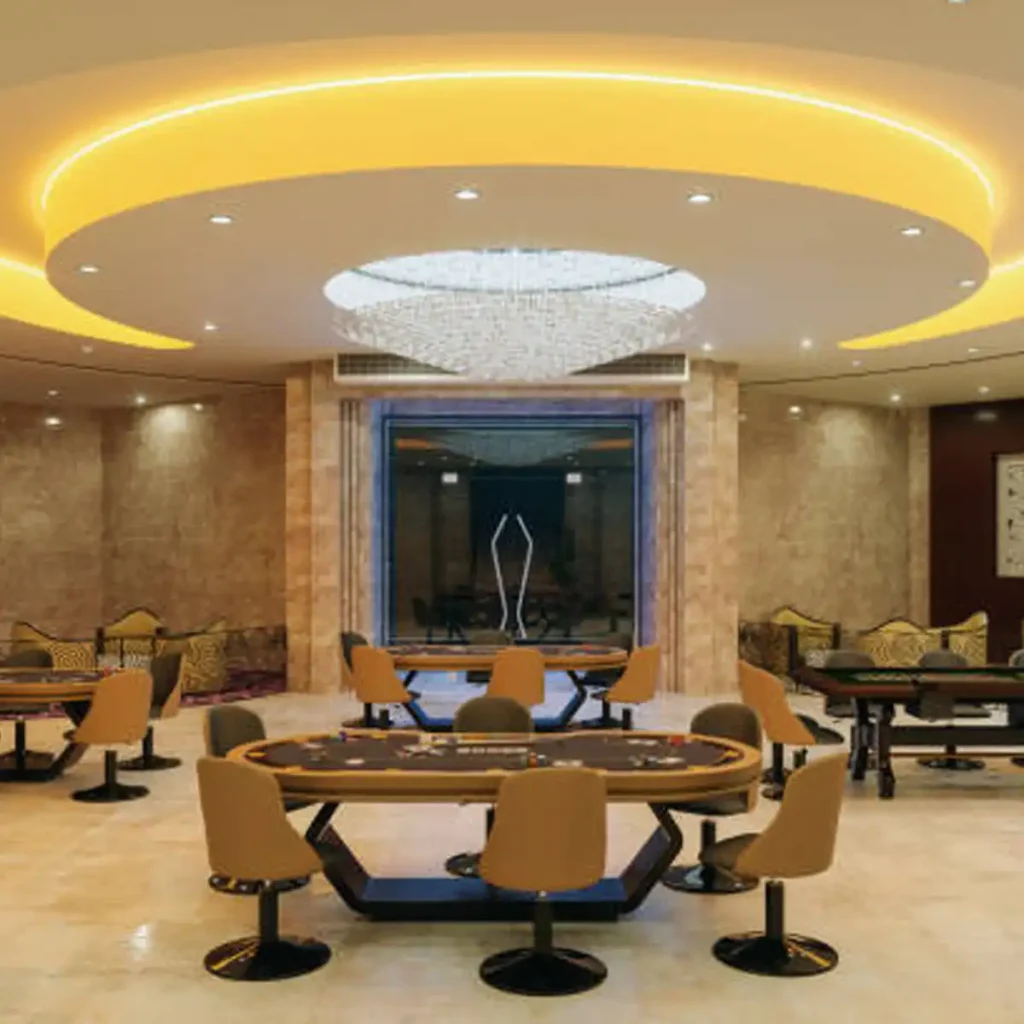
Mayfair’s physical casinos remain central to its identity. Venues such as Wynn Mayfair and Crockfords continue to trade on architectural gravitas, personal service, and an atmosphere that feels deliberately insulated from the outside world. Private salons and invitation-only rooms reinforce a sense of belonging rather than spectacle.
Yet even within these traditional spaces, expectations have shifted. Guests are less impressed by opulence for its own sake and more attuned to how effortlessly an experience unfolds. Speed, discretion, and familiarity now sit alongside craftsmanship and ceremony.
This evolution mirrors broader performance across the sector. Despite regulatory pressures, established operators have shown resilience, with the Rank Group reporting an 11% rise in gaming revenue to £795.3 million for fiscal year 2025, driven by growth across Grosvenor casinos and digital channels, as reported by AP News. The figures underline a simple truth: prestige venues thrive when they adapt without diluting their identity.
Digital Play Beyond Physical Venues
Alongside the polished interiors of Mayfair’s casinos sits a quieter, less visible layer of engagement. Affluent players increasingly expect their entertainment to follow them, not the other way around. Digital platforms have become an extension of lifestyle rather than a substitute for physical venues.
Convenience alone does not explain the appeal. Privacy and personal control are powerful motivators, particularly for individuals accustomed to managing complex portfolios and public profiles. Within this context, discussions around platforms operating outside mainstream frameworks have gained attention, with detailed analysis sourced by GamblingInsider outlining how non-GamStop casinos cater to players seeking flexibility and discretion. For this audience, the draw lies less in novelty and more in the ability to engage on their own terms.
The numbers reflect this shift toward digital sophistication. UK online gambling revenue reached a record £1.54 billion in Q4 2024, representing a 21% year-on-year increase, according to data shared via a media report linked through this industry breakdown. Growth at that scale signals demand not just for access, but for experiences that feel tailored and secure.

Regulation, Privacy, And Player Choice
Regulation remains a defining feature of the UK gambling landscape, yet it has also produced unintended consequences. A 2024 study commissioned by the Betting and Gaming Council found that British gamblers place around £2.7 billion annually through unlicensed, hidden-market websites. The figure highlights how demand for privacy can push behaviour beyond conventional channels.
For Mayfair’s clientele, the issue is rarely about avoidance. It is about alignment. Many high-net-worth individuals expect regulatory structures to accommodate their need for discretion, not undermine it. When that balance feels off, alternative options inevitably attract attention.
This matters because luxury has always been closely tied to trust. Whether in finance, property, or leisure, affluent consumers gravitate toward environments where oversight exists but does not feel intrusive. Digital platforms that recognise this nuance are reshaping expectations around what responsible access looks like.
Balancing Exclusivity With Accessibility
The most telling development is not the rise of digital play alone, but how seamlessly it now complements physical experience. Mayfair’s casino culture is moving toward a hybrid model where tactile luxury and digital convenience reinforce each other rather than compete.
Market forecasts suggest this convergence will accelerate. The UK gambling market is projected to grow by USD 3.51 billion between 2025 and 2029, at a compound annual growth rate of 5.4%, driven largely by online platform expansion, according to a Technavio report via PR Newswire. Growth of that nature reflects structural change, not a passing trend.
For Mayfair, the implication is clear. Exclusivity no longer depends solely on a postcode or a velvet rope. It is defined by how intelligently experiences are designed, how respectfully privacy is treated, and how much control the individual retains.
In that sense, the area’s casino culture remains true to its roots. It still serves a clientele that values subtlety over scale. The difference is that discretion now travels easily between physical rooms and digital spaces, carrying Mayfair’s quiet confidence with it.


