
When it comes to white wine, sweetness can be a source of both pleasure and confusion. For some, it calls to mind cloying supermarket bottles from student days. For others, it brings the elegance of Sauternes or the charm of Moscato shared at a sun-drenched garden party. But behind every sweet sip lies a story of chemistry, craftsmanship, and cultural nuance. Whether you are new to wine or looking to sharpen your palate, understanding what makes a sweet white wine tick can elevate your choices from guesswork to expertise.
What Makes White Wine Sweet
At its core, sweetness in wine is about residual sugar. This refers to the grape sugars mostly glucose and fructose that remain after fermentation. In a dry wine, yeast consumes nearly all of this sugar, converting it into alcohol. In a sweet wine, either the fermentation is stopped early, or the sugar levels are so high that the yeast cannot finish the job. What is left is natural sweetness, measured in grams per litre (g/L).
Legally and technically, this is the number that determines a wine’s classification. In the European Union, for example, any wine with over 45 g/L of residual sugar is classified as “sweet”. But numbers only tell part of the story. The way that sugar plays alongside acidity, alcohol, and flavour compounds creates a far more nuanced experience on the palate.
Importantly, high-quality sweet wines do not rely on added sugar. While certain winemaking regions permit sugar addition to boost alcohol (a process called chaptalisation), true sweetness comes from grapes themselves. In some commercial wines, sweetness is created artificially—such as by adding unfermented grape juice but this shortcut does not belong to the world of fine wine.
Understanding the Sweetness Spectrum
Wine is not simply sweet or dry. It exists on a sliding scale, and the classification depends on the exact level of sugar and how well it is balanced with other elements.
- Dry wines typically contain under 4 g/L of residual sugar. With high enough acidity, this can stretch to 9 g/L.
- Off-dry or medium-dry wines tend to sit between 4 and 18 g/L. These wines have a gentle sweetness, often ideal for pairing with savoury food.
- Medium-sweet wines, like some styles of Vouvray or late harvest Riesling, range from 12 to 45 g/L. They offer richer textures without entering dessert territory.
- Sweet wines begin at 45 g/L and can soar far higher. Sauternes, for instance, may contain over 100 g/L. Some ultra-rare wines exceed 400 g/L, yet still feel balanced thanks to razor-sharp acidity.
A useful way to visualise this is to think not just of the numbers, but of the way the wine behaves on your palate. An off-dry Riesling with high acidity might feel drier than a low-acid wine with far less sugar.
Fun Fact: The sweetest wines in the world—like Tokaji Eszencia—can contain more than 500 g/L of sugar, yet are legally still classified as wine.
Perception and Balance in Sweet Wine
Not all sweetness is tasted equally. A wine’s acidity acts as a natural counterbalance, keeping the sugar in check and the palate refreshed. This is why Riesling and Chenin Blanc—both high-acid grapes—are so prized in sweet wine production. They allow winemakers to push sugar levels without losing structure or finesse.
Alcohol also affects perception. Sweeter wines that stop fermentation early often have lower alcohol, such as German Rieslings at 8–9% ABV. Conversely, higher-alcohol wines may taste rounder and fuller, which can also give the impression of sweetness even if the sugar content is low.
Aromatics add another layer. Our sense of smell heavily influences our taste perception. A dry wine bursting with ripe tropical fruit may seem sweeter than it actually is. This confusion is common with wines like Gewürztraminer or Muscat, whose heady aromas can trick the brain into thinking sugar is present when it is not.
Understanding the full context of how sugar, acid, and alcohol interact is essential when choosing a sweet white wine that will genuinely suit your taste.
How Winemakers Craft Sweetness
Sweetness can be achieved by either concentrating the sugars in the grape before fermentation, or by halting fermentation before all sugar is consumed. Each method brings its own character and set of challenges.
Vineyard-Based Techniques
Late harvest involves letting grapes hang on the vine past normal ripeness. This natural dehydration increases sugar concentration, often resulting in rich, mellow wines with honeyed notes.
Noble rot is another technique, relying on a specific fungus—Botrytis cinerea—that shrivels grapes while intensifying their flavour. This is the hallmark of wines like Sauternes and Tokaji Aszú, known for their complexity and ability to age for decades.
Icewine, or Eiswein, is made from grapes harvested and pressed while frozen on the vine. The water remains as ice during pressing, yielding a tiny amount of highly concentrated juice. This style, most famously produced in Canada and Germany, offers incredible sweetness matched by piercing acidity.
Passito or dried grape wines, such as Italy’s Vin Santo, achieve sweetness by drying grapes on mats or in lofts after harvest. This reduces water content and intensifies flavour, often producing wines with a deep, raisined character.
Fermentation-Based Techniques
Some winemakers interrupt fermentation to retain natural sugar. This can be done by adding alcohol (fortification), as with White Port or Muscat de Beaumes-de-Venise, which stops yeast activity. Alternatively, chilling and filtering the wine can halt fermentation without adding spirit, a method common in fresh, fruity styles like Moscato d’Asti.
Each approach yields a different texture and taste, making it crucial to understand the winemaking style when selecting a wine.
Understanding International Sweetness Terms
Navigating labels can be tricky, particularly when they rely on regional terms. France and Germany have especially rich classification systems that can confuse the uninitiated.
French Labelling
- Demi-Sec: Medium-dry or gently sweet, often around 4–12 g/L
- Moelleux: Medium-sweet with a soft, velvety mouthfeel
- Doux: Fully sweet, dessert-style wines
- Vendanges Tardives (VT): Late-harvest wines, often sweet, particularly in Alsace
- Sélection de Grains Nobles (SGN): Made from hand-selected botrytised grapes; intensely sweet and complex
These terms, particularly in the Loire and Alsace, are often more informative than simply looking at the grape variety.
German Prädikat System
Rather than sweetness, the German system classifies wines by grape ripeness at harvest, which gives an indication of the wine’s potential style:
- Spätlese (late harvest) and Auslese (selected harvest) can be dry or sweet, depending on fermentation choices
- Beerenauslese and Trockenbeerenauslese are nearly always sweet, made from ultra-ripe or botrytised grapes
- Eiswein is made from frozen grapes and is intensely sweet yet clean
To judge final sweetness, check for dryness terms (e.g., Trocken, Feinherb) or scan the alcohol percentage. A lower ABV typically suggests that fermentation was stopped early, leaving more sugar.
Global Styles of Sweet White Wine
The method used to create sweetness plays a crucial role in defining a wine’s texture, flavour, and age-worthiness. Here are some of the most iconic styles and what sets them apart.
Wines Made with Noble Rot
Sauternes, from Bordeaux, is perhaps the most famous. Made from Sémillon and Sauvignon Blanc grapes affected by botrytis, these wines are hand-harvested in several stages. Their richness is balanced by vivid acidity, with layers of apricot, honey, and marmalade. They age for decades and can command premium prices.
Tokaji Aszú, from Hungary, also uses botrytised grapes, usually Furmint, added to a base wine in varying amounts. Its signature is high sugar with equally high acidity, delivering intense sweetness and freshness in equal measure. Flavours of ginger, dried citrus peel, and saffron make it truly distinctive.
Late Harvest Wines
When grapes are left to over-ripen on the vine, they develop deeper sugars and flavours. Late harvest Riesling and Chenin Blanc from the Loire Valley are classic examples. These wines often taste of baked apple, wild honey, and soft spices. They retain good acidity and are among the most versatile for food pairing.
Icewine
Made in Canada and parts of Germany, Icewine is harvested at freezing temperatures, with grapes pressed while still solid. This concentrates the juice, producing wines with stunning purity and piercing acidity. Typical notes include pineapple, lychee, and apricot.
Naturally Aromatic Sweet Wines
Moscato d’Asti is a lightly sparkling, low-alcohol wine made by stopping fermentation early. It offers delicate sweetness and floral freshness, with aromas of orange blossom, peach, and ripe grapes. It is refreshing, affordable, and accessible to beginners.
Gewürztraminer, especially from Alsace, can also be made in sweet styles. Rich, perfumed, and spicy, it often evokes rose petals, lychee, and ginger. Its lower acidity gives it a rounded, opulent feel.
Fortified Sweet Wines
White Port, made by fortifying fermenting juice with grape spirit, offers a fuller body and richer flavour. It comes in a range of sweetness levels, from dry to luscious. Expect notes of molasses, citrus peel, and roasted nuts.
Madeira, a fortified wine from Portugal, undergoes a heating process that caramelises its sugars. Styles made from Malvasia (Malmsey) or Bual grapes are sweet, tangy, and long-lived, with flavours of toffee, dried fruit, and orange zest.
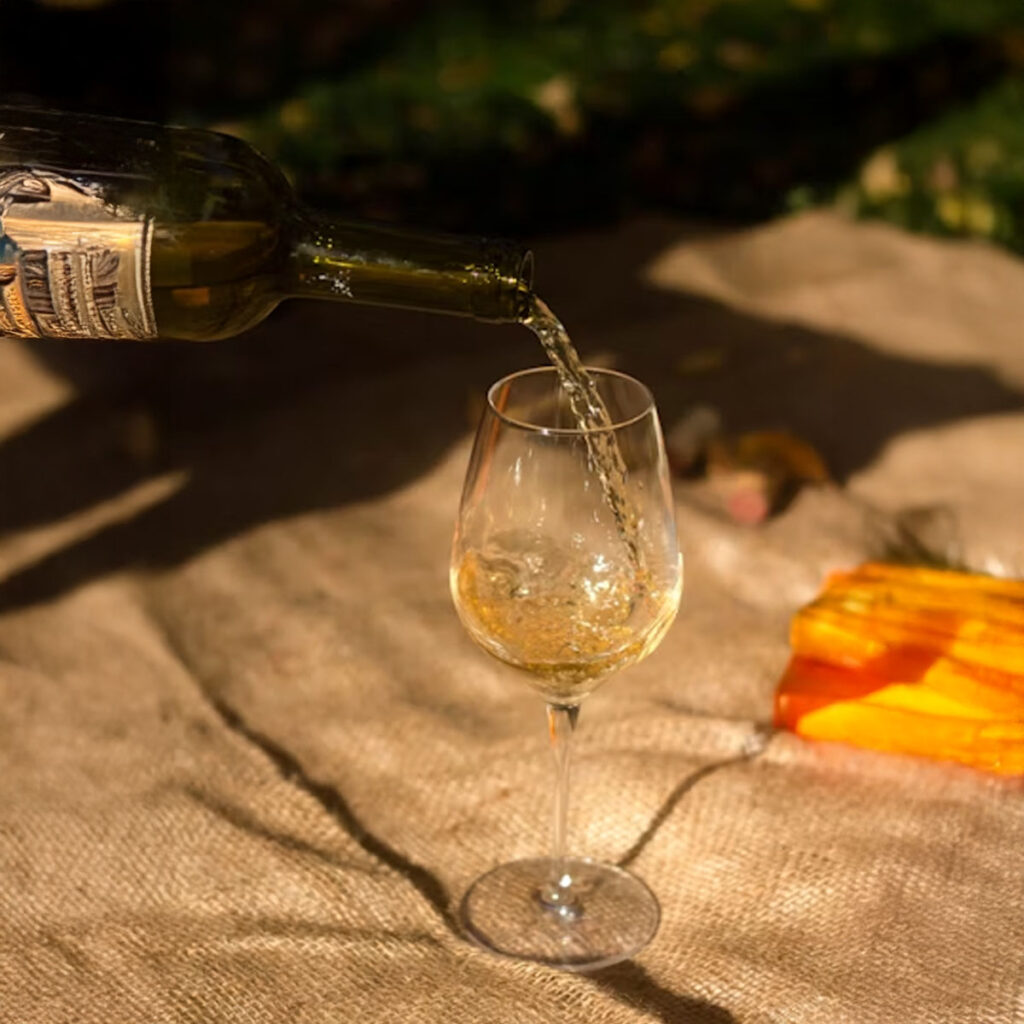

Serving and Storing Sweet Wine
How you serve and store sweet white wine can make all the difference. The wrong temperature or the wrong glass can dull its brilliance.
Serving Temperature
Sweet wines should be served well chilled, between 6°C and 10°C. This helps balance the sugar, keeps the palate refreshed, and allows more delicate aromas to shine. Serving too warm will make the wine taste heavier and flabbier.
If a wine feels overly sweet, try cooling it more. If aromas seem muted, allow it to warm slightly in the glass.
Glassware
A smaller dessert wine glass is ideal. It concentrates the aromas and suits the smaller pour size (around 75ml). The glass should have a stem—holding the bowl will warm the wine too quickly. For lightly sparkling wines like Moscato, a tulip-shaped flute works well.
Storage Tips
Thanks to their high sugar and/or alcohol levels, sweet wines are naturally more stable after opening.
- Reseal and refrigerate straight after opening.
- Store the bottle upright to minimise oxygen exposure.
- For expensive bottles, use a preservation system. Vacuum pumps can keep wine fresh for up to two weeks, while inert gas systems like Coravin can preserve it for months.
Food Pairings and Culinary Uses
Sweet white wines are often misunderstood as only suitable for pudding. In reality, their high acidity and sugar make them one of the most versatile food wines available.
Classic Matches
- Foie gras and blue cheese with Sauternes or Tokaji create an unforgettable contrast of fat, salt, and sweetness.
- Apple tarts and apricot crumbles pair beautifully with late harvest wines.
- Crème brûlée matches Sauternes for its shared richness and caramel notes.
- Light sponge cakes are ideal with a fresh Moscato d’Asti.
Savoury Matches
- Roast chicken or duck with fruit glaze works with Gewürztraminer or sweet Chenin Blanc.
- Smoked salmon and trout pair well with off-dry Riesling.
- Pork with chutney or spiced root vegetables complements sweeter white wines effortlessly.
Spicy Food Pairings
Sweet wines shine with spicy cuisine. Their sugar tempers heat, while acidity keeps the palate refreshed.
- Off-dry Riesling pairs perfectly with Thai green curry or Sichuan chicken.
- Gewürztraminer bridges beautifully to Indian korma or Moroccan tagine.
- Even Sauternes can surprise with rich, spicy dishes like duck curry or Thai lemongrass stir-fry.
How to Buy Sweet White Wine in the UK
The UK market has excellent access to top-quality sweet wines, but it helps to know where and how to shop.
Understanding Labels
- From Germany, look for Auslese, Beerenauslese (BA), and Eiswein for sweeter styles. Watch for ABV—under 10% usually means residual sugar is present.
- From France, terms like Moelleux and Doux are your friend. Sauternes and Monbazillac always mean sweet.
- In Alsace, look for VT and SGN on the label for legal sweetness levels.
Price Points
- Under £20: Late harvest or half bottles from lesser-known producers.
- £20–£60: Higher-end Auslese, 5 Puttonyos Tokaji, and second wines from Sauternes estates.
- Over £60: Premium bottles like Château d’Yquem, 6 Puttonyos Tokaji, and Canadian Icewine from top estates.
Where to Shop
- Majestic and Waitrose Cellar have solid entry-level options.
- The Wine Society and Berry Bros. & Rudd offer depth and expertise.
- Best of Hungary specialises in Tokaji.
- WinesDirect is useful for price comparison across online retailers.
Producers and Places Worth Knowing
Some producers and regions set the benchmark for quality in sweet white wine.
- Château d’Yquem (France): The gold standard for botrytised wines, known for its elegance, power, and ageability.
- Dr. Loosen (Germany): Mosel master of Riesling, from crisp Kabinett to luscious TBA.
- Royal Tokaji (Hungary): Revitalised Tokaji’s reputation with single-vineyard precision and richness.
- Inniskillin (Canada): Pioneered Icewine production in the Niagara Peninsula, achieving global acclaim.
These names are worth seeking out whether you’re collecting or simply exploring.
When to Serve Sweet Wine
Sweet white wine is not just for dessert—it can be enjoyed at many moments.
- Aperitif: A chilled glass of White Port and tonic or an off-dry Chenin is a refined way to start an evening.
- Celebration: Icewine or Auslese offers a delicious alternative to sparkling wine for toasts.
- Alfresco gatherings: Moscato or late harvest styles pair well with simple summer appetisers.
- Tasting events: Sweet wine rounds out any wine tasting by showcasing the far end of the flavour spectrum.
Conclusion
Sweet white wine has long been overlooked, boxed into a dessert corner it never truly fit. Yet the truth is far richer. From the frosty vineyards of Ontario to the misty hills of Tokaj, these wines are products of skill, patience, and risk. Their sweetness is not just a matter of sugar—it is a result of balance, craftsmanship, and centuries of tradition.
With an understanding of how residual sugar interacts with acidity and aromatics, any wine lover can approach this category with confidence. From light, fruity Moscato to regal Sauternes, the options are plentiful and profound. By learning to read labels, appreciate styles, and pair wisely, you gain not just a wine but a new way to enjoy flavour, contrast, and complexity.
So the next time you are choosing a bottle, do not shy away from the sweet shelf. Pick something unfamiliar. Chill it properly. Pair it boldly. You might just find it becomes your new favourite glass.


